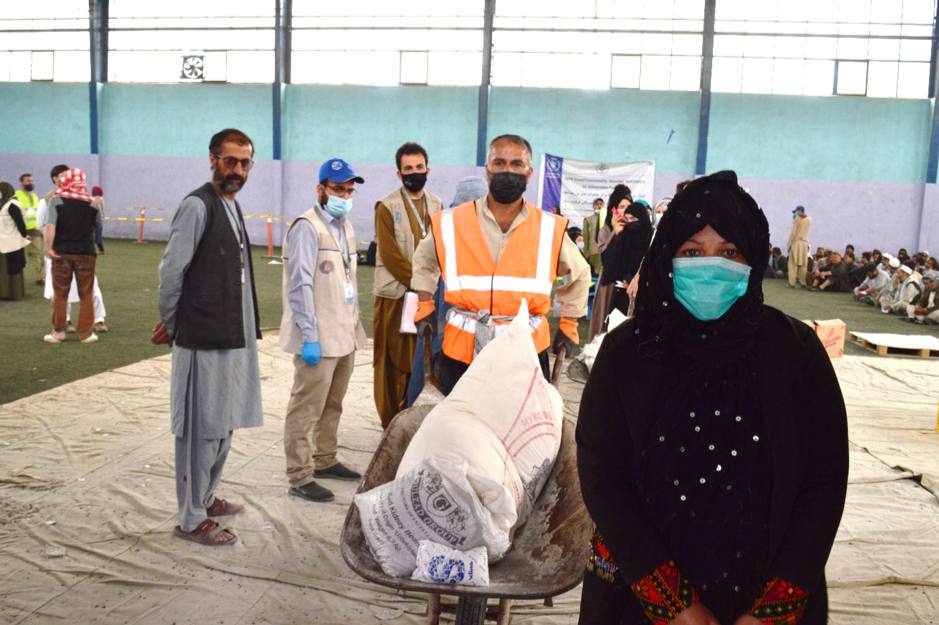
The United Nations has warned that 19.2 million people in Afghanistan — 38% of the population — are projected to face acute food insecurity at crisis level or worse during the November–April winter lean season, with 5 million of them expected to face emergency levels of hunger (IPC Phase 4), one step away from famine. (Yaani: 19.2 million is 1.92 crore people — nearly two out of every five Afghans.)
Briefing reporters on Tuesday, UN humanitarian agency OCHA spokesperson Olga Cherevko said that between September and October, 15.9 million people — nearly one in three Afghans — faced acute food insecurity at crisis level or worse, and that the number is projected to climb through the winter lean season. The figure is up from 17.4 million projected for the same period a year earlier, according to the IPC analysis cited by the Food and Agriculture Organization (FAO) and the World Food Programme (WFP).
The worst conditions are likely in Badakhshan, Badghis, Daykundi, Ghor, Samangan, Sar-e-Pol and rural Ghazni, the agencies said. More than 4 million children aged six months to five years are projected to need treatment for acute malnutrition next year, and malnutrition cases overall are expected to rise by nearly 10% to about four million in 2027 — a quarter of them severe. About one-third of nutrition sites in the country have closed or suspended services, partly because of funding cuts.
The agencies named the drivers: the forced return of more than 1.2 million Afghans from Iran and Pakistan this year, border closures, disruptions to shipping through the Strait of Hormuz pushing up the prices of basic goods, persistent unemployment and sharp humanitarian funding shortfalls — all despite improved rainfall and a strong harvest. Cherevko said "one good harvest after several years of drought cannot undo the damage", adding that the crisis is not simply about whether food exists, but whether people can afford it.
FAO Representative in Afghanistan Richard Trenchard said: "This year's strong harvest shows what Afghan farmers can achieve. But for a parent with no steady income, nutritious food in the market can still be out of reach for their family."
Sources: UN OCHA; UN News; FAO–WFP IPC analysis via IANS; Anadolu Agency.