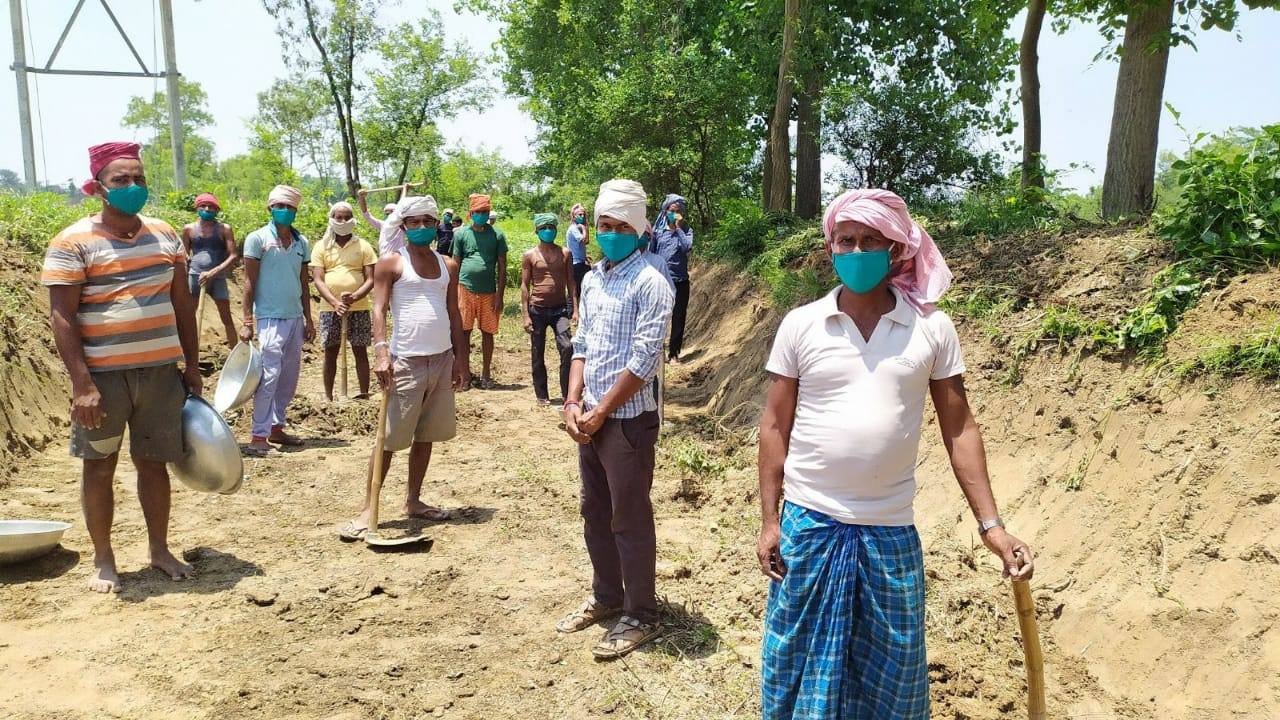
Patna: The Bihar government has lifted restrictions on work under the Viksit Bharat–Guarantee for Rozgar and Ajeevika Mission (Gramin), or VB-G RAM G, across all 38 districts, allowing rural workers to seek employment under the scheme during the period originally designated as the peak agricultural season. The relaxation takes effect from October 22, reports based on The Hindu's reporting said.
Source: LatestLY (based on The Hindu)
The restrictions were originally scheduled to remain in force from October 22 to December 10 to ensure agricultural workers were available for harvesting kharif crops and sowing rabi crops. The Bihar Rural Development Department on Wednesday launched a drive to employ unskilled workers under the scheme in the flood- and drought-affected districts, The Hindu reported. Floods and waterlogging have damaged crops and delayed harvesting in 22 districts including Patna, Bhagalpur, Muzaffarpur and Darbhanga, while 16 districts including Gaya, Nalanda, Nawada and Madhubani have faced drought-like conditions from well below normal rainfall.
Source: The Hindu
In the 22 flood-affected districts, priority is expected to be given to repairing damaged rural roads, restoring community assets, repairing embankments and improving drainage, so that damaged infrastructure is restored while local workers get employment. Officials said infrastructure was damaged at several places in the flood-affected districts and there is an urgent need to restore and repair it. In the 16 drought-affected districts, the focus will be on water conservation, rainwater harvesting and irrigation-related infrastructure.
The VB-G RAM G framework, which came into force on July 1, 2026 replacing MGNREGA, provides a statutory guarantee of 125 days of wage employment per financial year to eligible rural households whose adult members volunteer for unskilled manual work, with the Centre and the state sharing expenditure in a 60:40 ratio in Bihar. The government said the move would also ensure employment opportunities for returning workers ahead of the festival season.
The lifting of the restrictions is expected to provide an alternative source of income to rural households whose earnings have been hit by floods, crop losses and poor rainfall. How much relief reaches workers will depend on how quickly approved projects are started, how consistently work is made available to job-card holders and whether wages are paid on time, the reports noted.
Peak-season pause (planned October 22 to December 10) lifted in all 38 districts from October 22. Floods: 22 districts — road, embankment and drainage repairs prioritised. Drought: 16 districts — water conservation and rainwater harvesting prioritised. Scheme guarantee: 125 days of wage work per rural household a year.