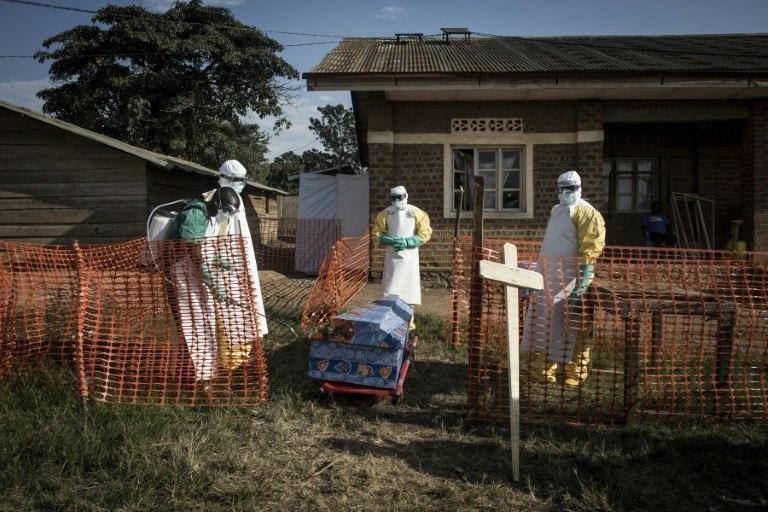
Survivor clinics are strengthening the Ebola response in Bunia, the capital of Ituri Province in the Democratic Republic of the Congo, the World Health Organization's Regional Office for Africa said in a statement issued on October 27, 2026.
Source: WHO Regional Office for Africa
The WHO said leaving an Ebola treatment centre does not mark the end of a patient's care journey. In Bunia, the survivor clinic takes over from treatment centres to support survivors through to the completion of their physical and psychological recovery, and the clinics also provide spaces for listening, support and help with social reintegration.
“We cannot have a successful response without a survivor clinic,” said Dr Huguette Mbuyi Musadi, a member of the health ministry's survivor identification and follow-up pillar, according to the WHO. Since the beginning of the outbreak, more than 2,700 people have been declared cured and require post-recovery medical follow-up, she said.
The aftereffects of Ebola can include joint pain, chronic fatigue and neurological disorders, particularly memory difficulties, as well as stress and irritability, the WHO said. “As a survivor, I can say that forgetfulness is common. You may forget something today and only remember it two days later. Then there is irritability and a great deal of stress,” said Ganisikalé, an Ebola survivor quoted by the WHO.
At the clinic, staff examine survivors from head to toe to check for disorders or associated conditions such as diabetes or hypertension, and above all to manage the aftereffects linked to Ebola, Dr Musadi said.
UN News reported that the WHO had earlier put the number of survivors at 2,600 and said clinics were being opened where survivors can access care, including monitoring for the presence of the virus and related conditions, as well as psychosocial support. The UN report put the outbreak at 9,765 cases and 4,727 deaths, with about 30,000 contacts being monitored each day.
Source: UN News
The outbreak, of the Bundibugyo strain of Ebola, was declared in mid-May and has spread to eight provinces, according to the UN. There is no approved vaccine or specific treatment for that strain, health officials have said.