Gambian authorities said on Tuesday that funds recovered from the forfeiture of a United States property owned by former longtime ruler Yahya Jammeh had been received and would be used to pay reparations to victims, the Associated Press (AP) reported from Serrekunda.
The Gambia Reparations Commission said it received $2,573,414.10 — yaani about $2.57 million, roughly 25.7 lakh dollars — from the sale of a mansion in Potomac, Maryland. 'The funds were deposited directly into the Reparations Fund account at the Central Bank of Gambia and shall only be utilized for the payment of reparations by the commission,' the commission said in a statement. The commission was set up in 2023, under the Victims Reparations Act of 2023, to compensate victims of abuse under Jammeh's rule, and said it was committed to managing the funds 'responsibly, transparently and accountably'.
The US Department of Justice, which announced the return in September, put the net proceeds it was returning at $2,507,911.73 — the commission's receipt figure is slightly higher, and both figures are reported here as stated by each side. US authorities said the State Department secured the forfeiture in 2022 after a civil forfeiture complaint alleged the property was bought with proceeds of corruption, through a trust set up by Jammeh's wife, Zineb Jammeh. The Justice Department alleged Jammeh obtained millions of dollars through embezzlement of public funds and by soliciting bribes from businesses seeking monopoly rights. Court documents cited in reporting say the 8,818-square-foot mansion was bought in 2010 for about $3.5 million — yaani about $3.5 million, roughly 35 lakh dollars — through the MYJ Family Trust. These are allegations from the US civil case; Jammeh has not been convicted in a US court.
Jammeh ruled the small West African nation for over two decades, from 1994 to 2017. Victims and rights groups say his rule was marked by arbitrary arrests, enforced disappearances and summary executions, and an official commission of inquiry previously estimated that between 240 and 250 people were killed by forces operating under him. He was forced out in 2017 after he rejected the 2016 election results, prompting the threat of military intervention by the regional bloc ECOWAS, and he now lives in exile in Equatorial Guinea.
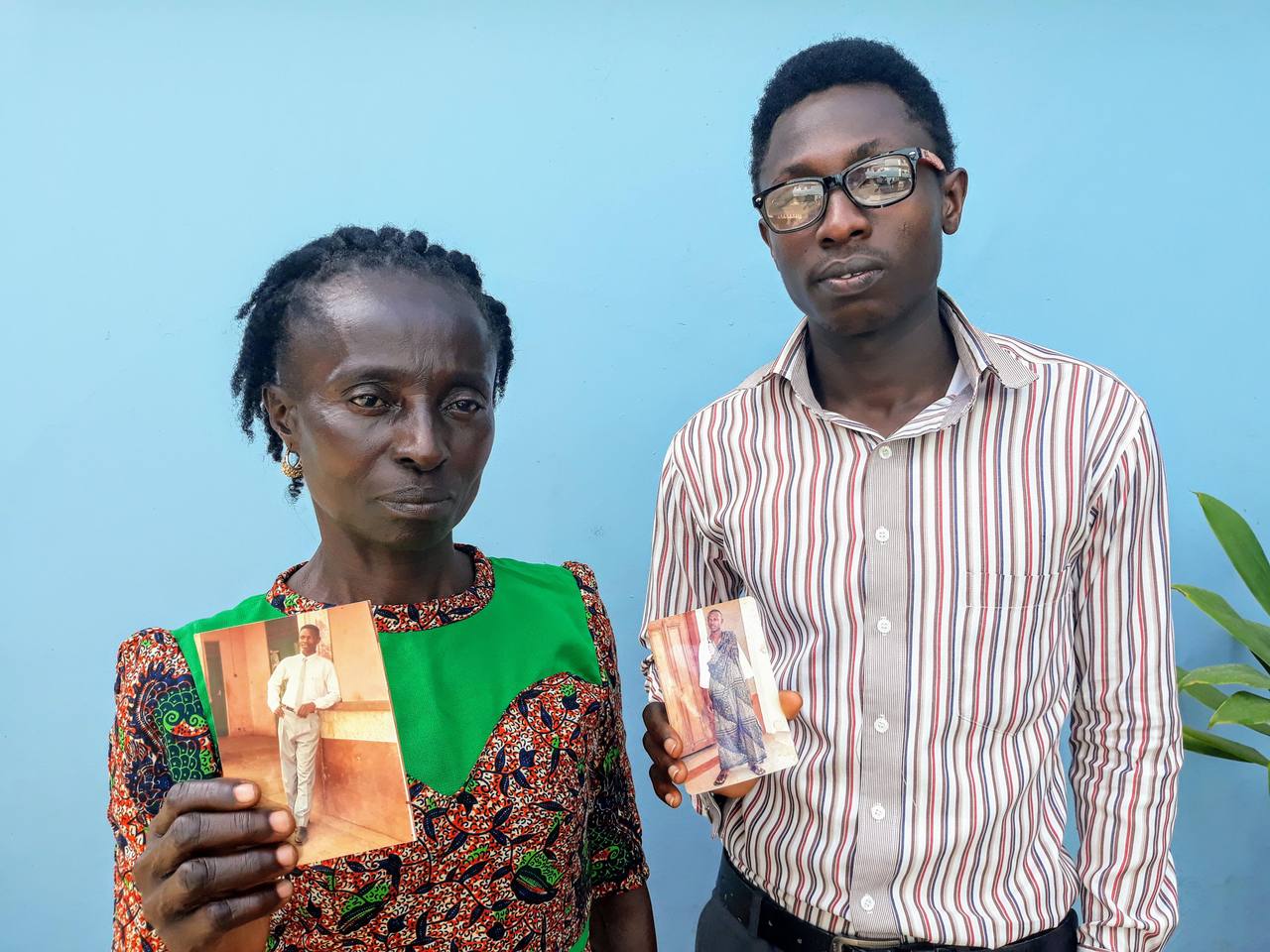
'The repatriation is an important step toward reparations for victims and survivors,' said Sirra Ndow, director of the Alliance of Victim-Led Organizations (AVLO), quoted by AP.
Sources: Associated Press; US Department of Justice statement on the return of the forfeited proceeds.