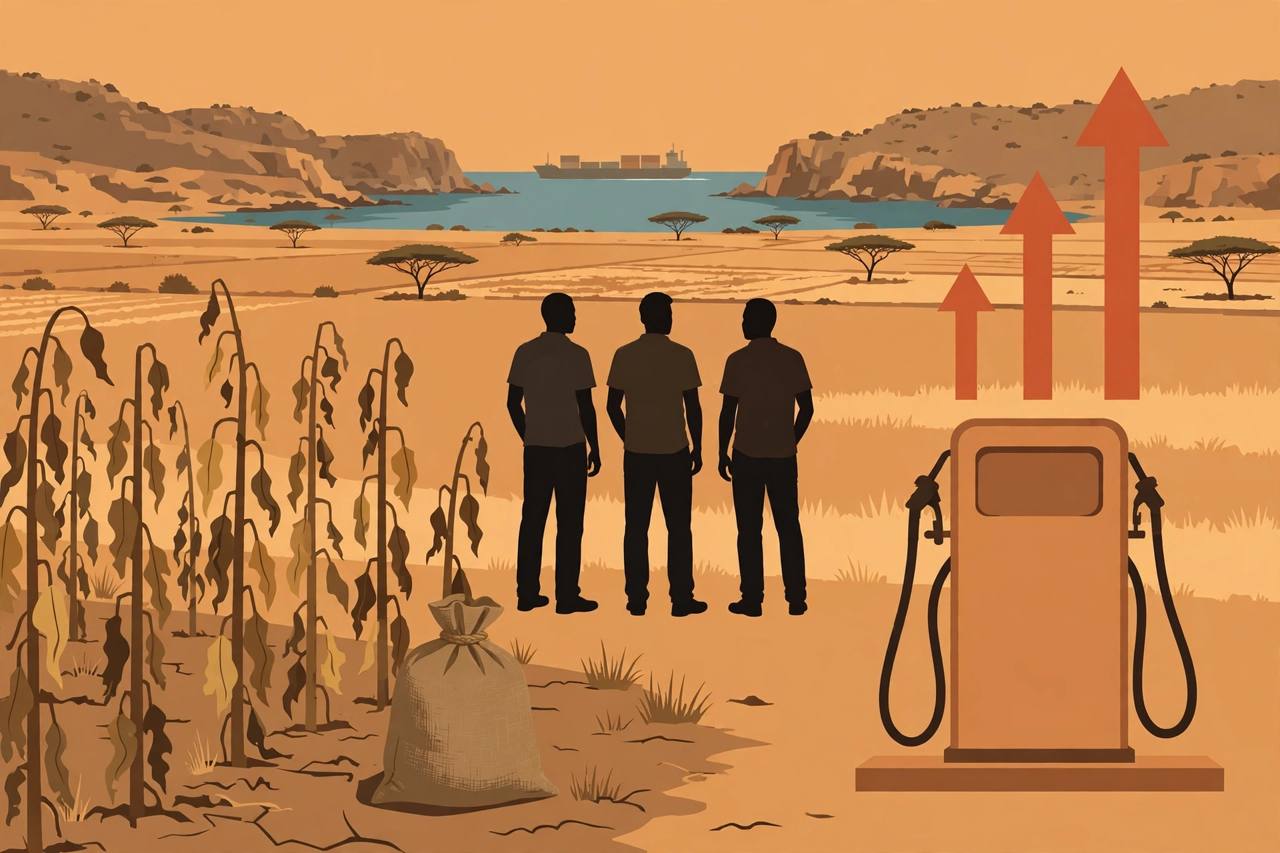
African countries are feeling the economic fallout from the ongoing conflict in the Middle East, with rising fuel and fertiliser prices threatening to drive up food costs, trade ministers from the region and the United Nations' top trade official warned in Doha, Al Jazeera reported on Monday.
Source: Al Jazeera English via 234Radio
The crisis around the Strait of Hormuz due to the United States and Israel's war on Iran needs to be resolved "sooner rather than later", Luz Maria de la Mora, director of the Division on International Trade and Commodities at UN Trade and Development (UNCTAD), told Al Jazeera at the World Investment Forum on Monday. She warned that soaring fertiliser prices could affect harvests next year.
"Prices of fertilisers have risen dramatically … so many countries have decided to reduce the use of fertilisers, which will have an effect next year in terms of crops," she said. "It may have an effect on availability of food and prices of food." The strait previously carried about one-fifth of global oil and liquefied natural gas trade.
Zimbabwe and Uganda describe the shock at home
In Zimbabwe, rising fuel and fertiliser prices are a critical concern in a country where more than 70 percent of the population depends on agriculture, Monica Mutsvangwa, the country's minister of women affairs, community, small and medium enterprise development, told Al Jazeera. Uganda, another heavily agrarian economy, has also been hit, with fuel prices more than doubling, Sanjay Tanna, the country's minister of trade, industry and cooperatives, told Al Jazeera.
The warning is backed by earlier UN data on the same shock: a United Nations Development Programme assessment published earlier this year found that 80 percent of African countries are net oil importers and that urea prices jumped more than 35 percent in the first weeks of the conflict, QNC News reported in its coverage of the Doha forum. De la Mora said the effects of higher oil prices on supply chains were lasting longer than expected.
Source: QNC News (UNDP assessment)
Doha hosted UNCTAD's World Investment Forum on October 25 and 26, bringing together heads of state, policymakers, CEOs and investors to discuss global investment and sustainable development. For African farming economies, the officials' message was that a war centred on the Gulf is already setting next year's food prices, long before the harvest is planted.