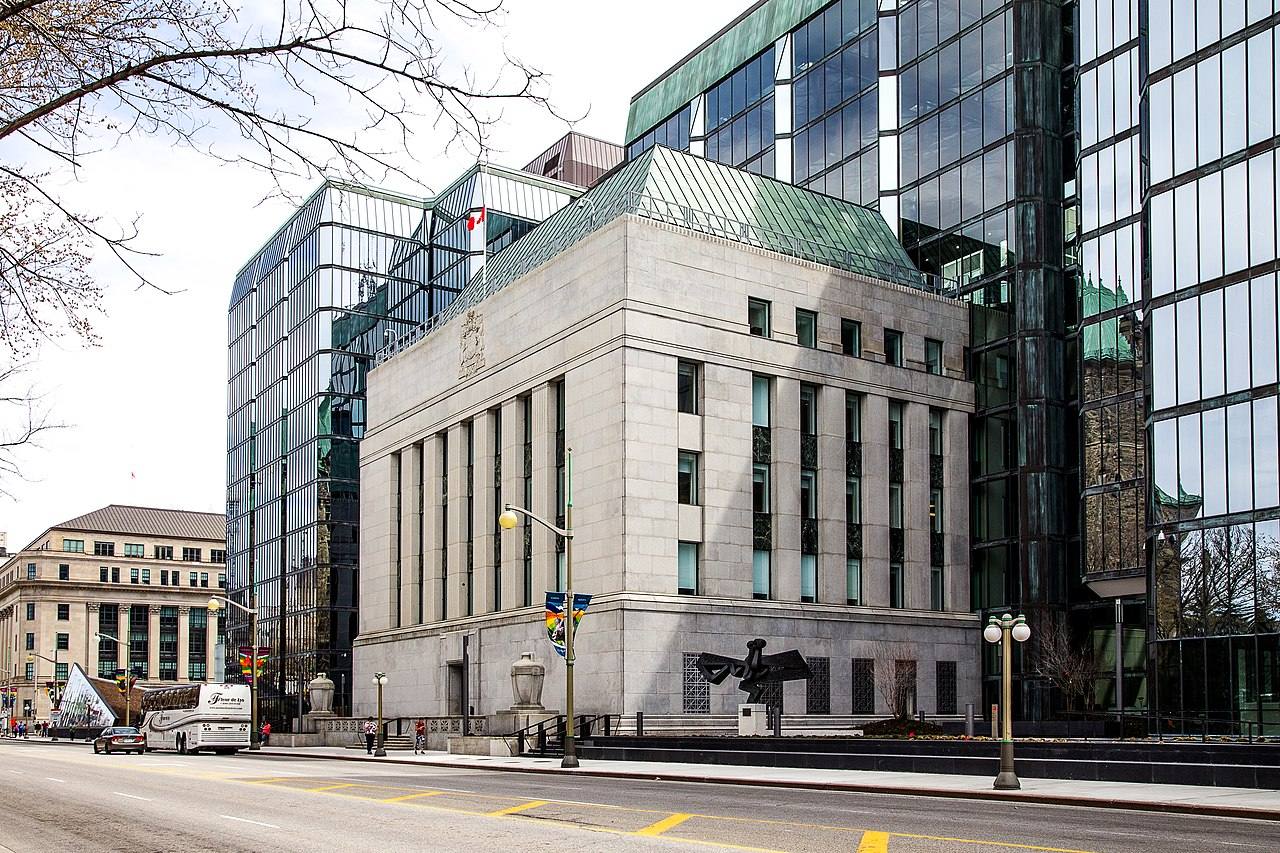
The Bank of Canada raised its target for the overnight rate by 25 basis points to 2.50% on Wednesday, October 28, its first increase since July 2023. The Bank Rate is now 2.75% and the deposit rate is 2.45%.
Source: Storeys / Bank of Canada decision report
Yaani, in simple words: borrowing in Canada just got a little more expensive. The policy rate was 2.25% before this decision, and the 2.50% outcome matches the forecast in the ForexFactory calendar for the 9:45 a.m. Ottawa release.
Source: ForexFactory calendar
A second post-decision report confirmed the same move. Royal LePage said the Bank raised its key rate to 2.50% with a 25-basis-point increase from 2.25%, and noted that Canadians with variable-rate mortgages or lines of credit will see borrowing costs rise as lenders raise their prime rates.
Source: Royal LePage
Why the Bank hiked
Inflation is running higher and longer than the Bank projected in July. CPI inflation has hovered around 3% since April, and the Bank expects it to climb to about 3.5% by the end of the year, largely because of persistently high oil prices. Inflation excluding gasoline was 2.2% in September, and core measures remain close to 2%.
The Bank expects CPI inflation to average 3% in 2027, a full percentage point above its July projection, before easing to 2% in the middle of 2028. It cited the Middle East conflict, now in its eighth month with no clear path to resolution, and the risk that high fuel prices raise production and transportation costs and spread into other prices.
The Governing Council said the hike is meant to reduce the risk that high energy prices spread into the prices of other goods and services. It said further increases may be needed, but that it would proceed carefully given the uncertainty.
A stronger economy, then a tariff slowdown expected
The economy has outperformed expectations. GDP grew 3.3% in the second quarter, and recent indicators point to about 2% growth in the third quarter. Consumer spending held up despite slow population growth, business investment rebounded, and unemployment has held around 6.5% for several months.
New US tariffs are expected to slow growth in the fourth quarter. The Bank projects the economy will grow 1% in 2026 and 2% in both 2027 and 2028, and expects housing to remain relatively weak, with consumption growth moderating as well.
For Punjabi and other diaspora families in Canada — including truck drivers with truck loans, mortgages and lines of credit — a higher policy rate typically means higher payments on variable-rate borrowing. That is a general effect of a rate increase, not a Bank forecast for any individual household.