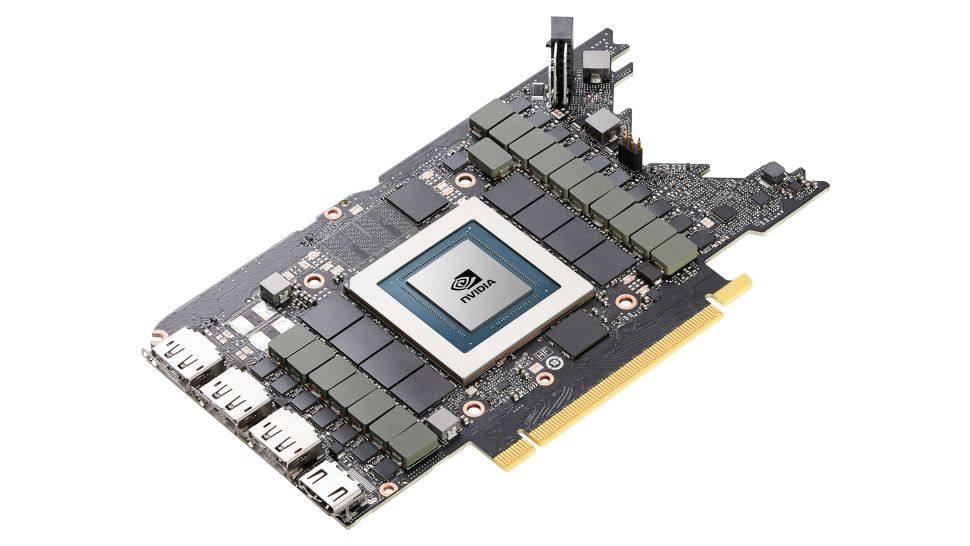
ByteDance, Alibaba and Tencent have ordered more than 3 million of Nvidia's new RTX PRO 5500 graphics cards with a collective sticker price of over $35 billion — yaani about $3,500 crore — two people familiar with the matter told Reuters, in a rush for a less powerful but export-compliant chip amid US restrictions on trade with China. The scale of the orders, which had not been previously reported, underscores the ongoing appetite among Chinese companies for Nvidia hardware despite the curbs, Reuters said.
The RTX PRO 5500 is a workstation chip, designed for powerful professional computers rather than the large data-centre clusters that use Nvidia's most advanced AI processors, but it is among the most powerful Nvidia chips still available to Chinese buyers, priced at about $11,400 each, the sources said. Nvidia's Blackwell-based B300 data-centre chip is not allowed to be sold to Chinese buyers under US export controls, while exports of its Hopper-based H200 are reviewed on a case-by-case basis and are subject to licensing conditions.
US-based Nvidia has told customers and partners it cannot guarantee that it can fill the orders because demand from Chinese technology companies far exceeds planned production, the two sources and a third person familiar with the matter said. They requested anonymity because they are not authorised to speak to the media. One source said Nvidia told partners they might receive only 5 per cent to 10 per cent of the quantities requested. Another said the company had indicated it could produce no more than 3 million RTX PRO 5500 cards globally in 2027, while total orders from customers in China have exceeded 6 million, two of the sources said.
The companies mainly intend to use the cards for AI inference — running trained models to answer user queries, which generally requires less computing power than training models — according to reporting by dpa-AFX via TradingView summarising the Reuters report. Nvidia has told customers to expect early samples in December, with commercial deliveries beginning in the first quarter of 2027, that reporting said. Chinese firms are also exploring domestic alternatives, including chips from Huawei, as Washington's controls sharply curtail access to Nvidia's leading AI processors.
For readers in Punjab and the diaspora who work in tech and logistics, the scramble is a reminder that the US-China chip contest now shapes everything from AI services to device prices worldwide — even when the chip on offer is not the most advanced one. Sources: Reuters exclusive via The Hindu BusinessLine (Oct 20, 2026); Reuters via HI-99 (Oct 20, 2026); dpa-AFX via TradingView (Oct 20, 2026); Invezz summarising Reuters (Oct 20, 2026).