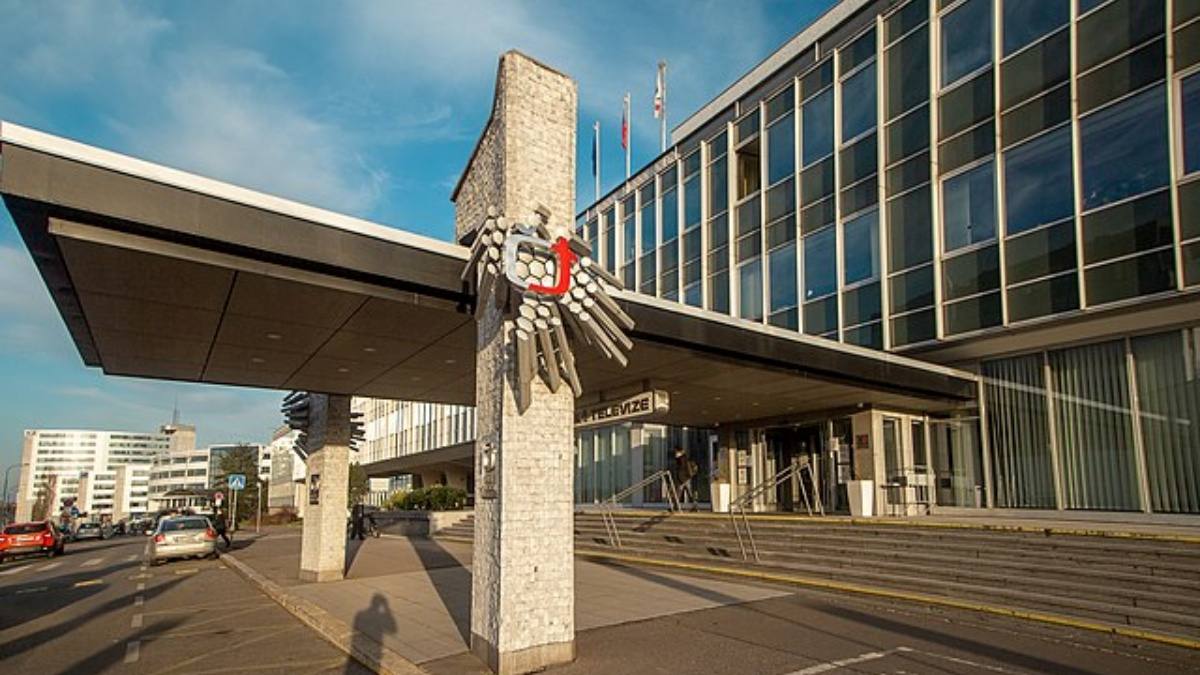
Czech public television and radio workers launched a one-day strike on Tuesday, November 3, against a government plan to cut their financing and move their funding to the state budget — a change they call an attempt to hurt the broadcasters' independence and viability, Reuters reported from Prague.
Source: Reuters
The strike led to curbs on broadcasts. Czech Television's 24-hour news channel showed a darkened newsroom, with moderators dressed in black reading, unusually, from a script, Reuters reported. Public protests backed by artists and students were planned for Tuesday afternoon.
Source: Reuters
The strike escalates a fight Awaaz Punjab has followed since the coalition pushed the overhaul through a pre-dawn preliminary vote last month and thousands protested in Prague's Old Town Square. Read: the overnight vote on the media overhaul
What the bill would change
The coalition wants to cancel the 205-crown monthly household broadcasting fee — $9.43, yaani roughly the price of a family's monthly TV-and-radio charge today — which currently funds the broadcasters, and pay them from the state budget instead. A 15 percent financing cut proposed as part of the change would bring television's nominal budget back to its 2008 level and radio's to 2005, Reuters reported.
Source: Reuters
Under the proposal, Czech Television would receive about $267 million a year and Czech Radio about $96 million, a combined sum roughly 15 percent below the broadcasters' expected licence-fee income, according to industry reporting on the bill. The European Broadcasting Union (EBU) and the European Federation of Journalists (EFJ) have criticised both the reduction and the accelerated parliamentary process, warning that less predictable funding could weaken the broadcasters' public-service role.
Source: Broadcast Media Africa (EBU/EFJ reaction)
Both sides of the argument
The populist government of billionaire Prime Minister Andrej Babis — backed by the far-right SPD and the eurosceptic Motorists parties — has frequently accused private and public media of bias, Reuters reported. Czech TV reporter Jan Molacek, a member of the strike committee, warned the legislation could give the governing coalition greater influence over editorial decisions. Opposition parties have compared the proposed changes to reforms in Hungary under former Prime Minister Viktor Orban, a Babis ally.
Source: Reuters
Babis, for his part, says the government is delivering on a pledge to reduce household costs and denies that it seeks control over what the broadcasters air. On November 1 he also floated an alternative involving voluntary contributions, with a guaranteed amount channelled outside the state budget, according to industry reporting.
Source: Broadcast Media Africa / The American Quorum
The funding fight has already filled Prague's streets once: thousands gathered in Old Town Square on October 25 against the overhaul. Read: thousands protest in Prague's Old Town Square
What happens next
The bill passed a preliminary vote last month — introduced unexpectedly on a Friday and forced through before dawn on a Saturday, Reuters reported — and now awaits further debate in parliament. A 60-day consideration period pushes the second reading into January, so the reform will not take effect at the start of 2027 and the existing licence-fee system stays in place meanwhile. The broadcasters are among the country's most followed and most trusted news sources, a 2025 Reuters Institute survey found — which is why the fight over how they are paid has become a national argument about media freedom itself.
What is solid
- Czech Television and Czech Radio staff held a one-day strike on Tuesday, November 3, with curbs on broadcasts (Reuters).
- The bill would scrap the 205-crown ($9.43) monthly household fee, move funding to the state budget and cut financing by about 15 percent; it has passed only a preliminary vote so far (Reuters).
- The EBU and EFJ have criticised the cut and the rushed process (industry reporting).
What is only claimed
- Why the reform is being made: staff and opposition parties allege political meddling, comparing it to Hungary under Orban; Prime Minister Babis says it fulfils a promise to cut household costs and denies seeking editorial control.