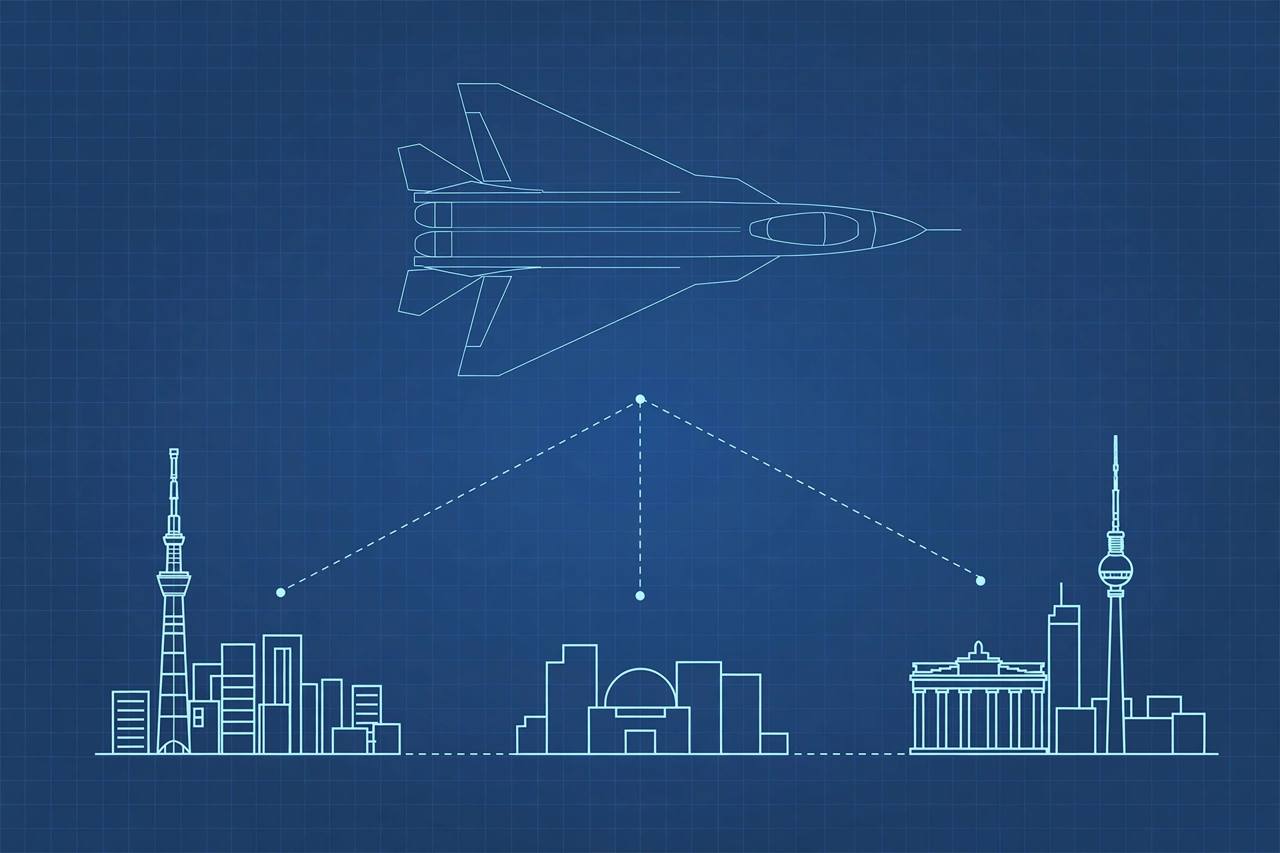
Germany is examining whether it could play a role in the Global Combat Air Programme (GCAP), the next-generation fighter jet programme led by Japan, Italy and Britain, Chancellor Friedrich Merz said in Tokyo on Wednesday, October 28, Reuters reported.
Source: Reuters
Merz raised the prospect after a joint press conference with Japanese Prime Minister Sanae Takaichi, as part of a broader push to deepen cooperation with Japan on defence, critical raw materials and future technologies during his week-long Asia trip. The defence ministers of Germany and Japan will meet soon to discuss the matter, he said.
The move follows the collapse earlier this year of the rival Franco-German fighter initiative, which had left Berlin looking for new partners. British Prime Minister Andy Burnham said earlier this month that Britain was open to German participation in GCAP, whose aircraft is due to enter service in 2035.
Takaichi did not mention GCAP specifically, Reuters noted, but said Japan would promote defence industry cooperation in areas where the two countries' capabilities were mutually complementary. Merz said discussions on the division of industrial work among the existing partners were already at an advanced stage, but that Germany was assessing all of its options.
Merz also cautioned that Berlin might not be able to meet Japan's hoped-for timeline of reaching a decision by the start of next year. In Tokyo, officials were reported to be wary that adding Germany could push back the timetable, because the workshare already agreed by Japan, Britain and Italy would have to be renegotiated.
This fighter-jet examination is the defence side of the same Tokyo visit in which Merz and Takaichi issued joint statements on economic security and a proposed trade alliance — a visit already reported separately. The GCAP question itself remains open: no German decision, and no agreement on a German role, has been announced.