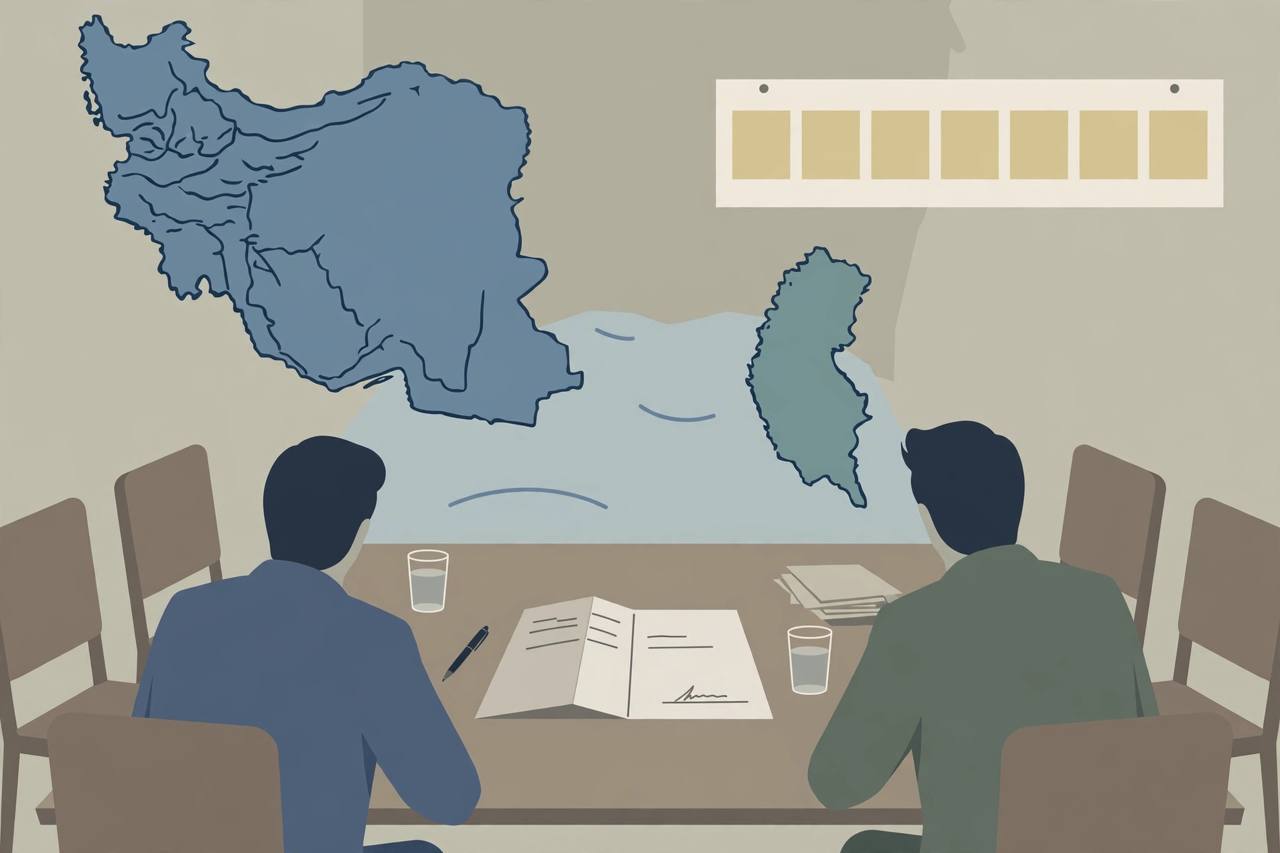
Qatari mediators have presented Iran with a new draft deal to end the eight-month war with the United States and Israel, an official briefed on the negotiations told Reuters — but a senior Iranian official said Doha had put forward only “unacceptable ideas and not an offer”.
Source: Reuters
The draft was presented on Sunday and Tehran is expected to respond by the end of the week, the briefed official said. It sets a seven-day timeline addressing both Tehran's and Washington's concerns, laying out daily confidence-building steps each side must take. The timeline could begin early next week, with several countries acting as guarantors.
Source: Middle East Eye via Hatha Alyoum
Qatar, along with Pakistan, has led mediation to end the war, which has disrupted global shipping and oil supplies and has recently spread to Saudi Arabia and Yemen. Earlier mediation produced an interim peace agreement in June, but that deal quickly unravelled.
The core dispute remains the nuclear programme. Washington wants Iran's decades-long nuclear programme to be part of negotiations from the outset, the officials said, while Iran says its conditions — including an end to the US blockade of Iranian ports and the lifting of sanctions on Iranian oil exports — must be met first. The senior Iranian official said Tehran's policy of showing no flexibility over the nuclear issue remained unchanged. Iran rejects Western concerns that its nuclear programme is military in nature and says it is for peaceful purposes.
Lakhs of Punjabi and Indian workers live and work in the Gulf. A deal would ease oil and shipping pressure; a collapse raises the risk of renewed strikes, costlier fuel and flight disruption across the region they work in.
The rejection came amid fears of renewed attacks. On Friday, US President Donald Trump repeated threats to strike Iran again, Reuters reported, while Iranian security officials told Reuters Tehran had drawn up detailed plans to attack Gulf undersea cables if the US and Israel resumed attacks. Middle East Eye reported that Israeli Prime Minister Benjamin Netanyahu said on Wednesday he would work with President Trump to eliminate what he called the “existential threat” posed by Iran, and that Iran's Foreign Minister Abbas Araghchi warned on X on Wednesday that any Israeli-instigated attack in the Gulf would have a “devastating impact” on global markets.
What happens next: Tehran's formal response is expected by the end of the week. If the seven-day sequence is rejected outright, mediators Qatar and Pakistan will have to decide whether to redraft — while oil markets, already lifted by an attack claim on a Saudi refinery this week, watch for any sign that fighting is about to resume.