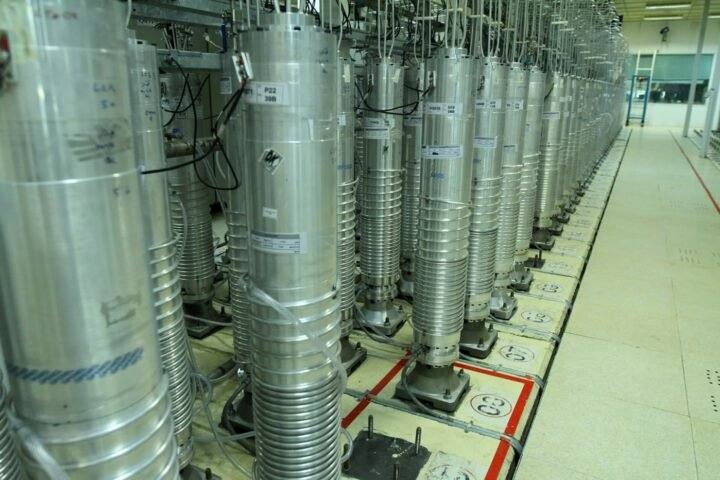
Iran's security chief Mohsen Rezaei told Pakistan's army chief Field Marshal Asim Munir in Tehran on Tuesday that Tehran will not allow its enriched uranium to be moved out of the country, according to Iranian state television reporting carried by AFP.
Source: AFP via The Business Standard
"Not even a tiny bit of enriched nuclear material will leave Iran. Such materials constitute a major asset and national wealth for the Iranian people, intended for use within the country," Rezaei, secretary of Iran's Supreme National Security Council, said, according to AFP.
On talks with Washington, Rezaei said there would be no negotiations until America takes steps to build trust, a process he said must begin with the fulfilment of Iran's conditions. Reuters reported on Tuesday that Iranian officials had made the same point: Tehran will not resume negotiations until the United States addresses its demands.
Source: Reuters, reported by Terror Monitor
Iran's conditions
Iran's stated conditions include ending the US blockade on its ports, lifting sanctions on Iranian oil exports and ending hostilities on all fronts. Parliament speaker Mohammad Bagher Ghalibaf conveyed a similar message to Munir, saying Washington could not restore Tehran's confidence without meeting seven conditions presented by Iran, according to the reporting.
"Today, our nation does not trust America. It believes that if we enter the negotiations, they will attack us again," Rezaei said, in remarks reported by AFP.
Munir's Tehran trip was his fifth visit to Iran since June, part of Pakistan's renewed push to mediate a peace deal between Iran and the United States. He met Iran's top leadership on Tuesday, accompanied by Pakistan's interior minister Mohsin Naqvi, AFP reported. Iranian reporting of the meeting said Munir announced the Iran-Pakistan border had reopened on Tuesday morning.
Why it matters
The refusal closes off one of the compromise ideas floated in mediation — moving Iran's enriched stockpile to a third country — and leaves the US-Iran track frozen for now. For the Gulf and for India, a prolonged stalemate keeps pressure on shipping through the Strait of Hormuz and on oil prices, which directly affect Punjabi and Indian workers across the Gulf and the families who depend on their remittances.
What is solid
- Rezaei told Munir no enriched uranium will leave Iran, per Iranian state TV reporting carried by AFP.
- Iran says talks with the US resume only after Washington meets its conditions, per AFP and Reuters reporting.
- Munir was in Tehran on a mediation visit — his fifth since June, per AFP.
What is only claimed
- The exact wording of Rezaei's quote varies slightly between translations carried by different outlets; the meaning — no transfer abroad — is consistent across them.
- Whether Pakistan formally proposed the uranium transfer itself, or carried a proposal originating elsewhere, is not established by the reporting.