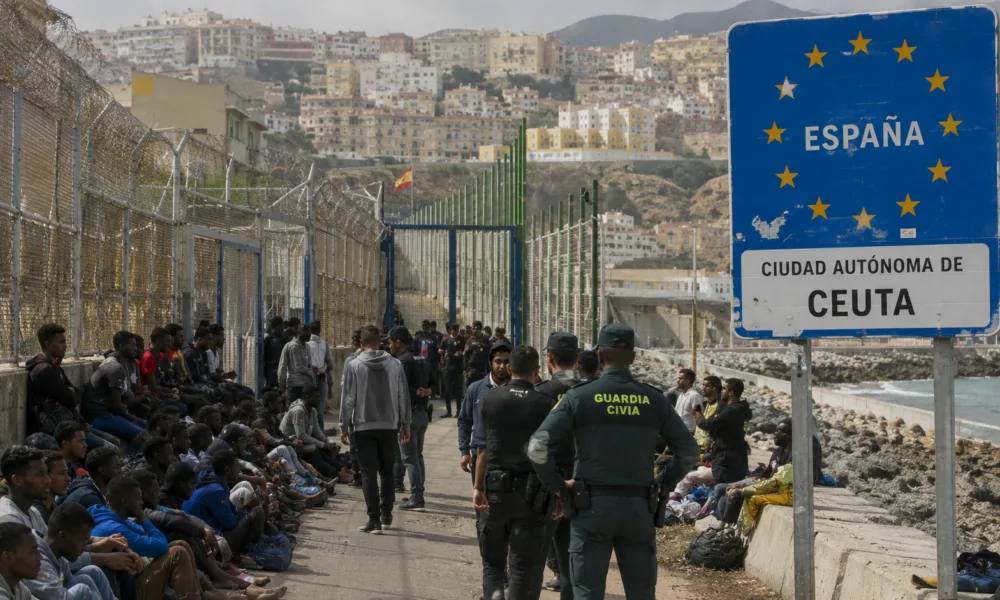
Italy and Spain have agreed to lift border controls on each other's citizens, Italy's interior ministry in Rome said on Thursday, October 22, ending a three-month dispute triggered by the rush of migrants into the Spanish enclave of Ceuta, Reuters reported.
Source: Reuters, 22 Oct 2026
The Italian and Spanish interior ministers spoke by phone and agreed not to extend their suspension of the European Union's open-border Schengen arrangements, the Italian statement said. ANSA reported the decision was agreed by Italian Interior Minister Matteo Piantedosi and his Spanish counterpart Fernando Grande-Marlaska, after Italian Prime Minister Giorgia Meloni and Spanish Prime Minister Pedro Sanchez had discussed the issue on the sidelines of the EU summit last week.
Source: ANSA English via EuropeSays, 22 Oct 2026
"The decision, reached after a careful assessment of the situation, will be accompanied by enhanced information-sharing measures to ensure the full security of the common Schengen area," the Italian interior ministry said.
Italy first suspended its open-border arrangements with Spain on July 31, saying it wanted to make sure no migrants entering Ceuta could travel on to its territory. Checks on passengers arriving from Spain by air and sea began on August 1 and were extended several times. Madrid responded with similar selective checks on travellers from Italy, describing the Italian measures as "unjust, contrary to European Union interests, and discriminatory to the population of Spain", Reuters said.
The dispute began after tens of thousands of people crossed from Morocco into Ceuta over roughly 24 hours from July 30, Brussels Signal reported. Italy and Spain do not share a land border, so the controls applied to air and sea arrivals; Spain's published order was due to expire at midnight at the end of October 22.
Schengen suspensions between two founding EU members are rare. Ending the checks restores normal air and ferry travel between Italy and Spain, while the new information-sharing pledge becomes the tool both governments say will guard the common area instead.