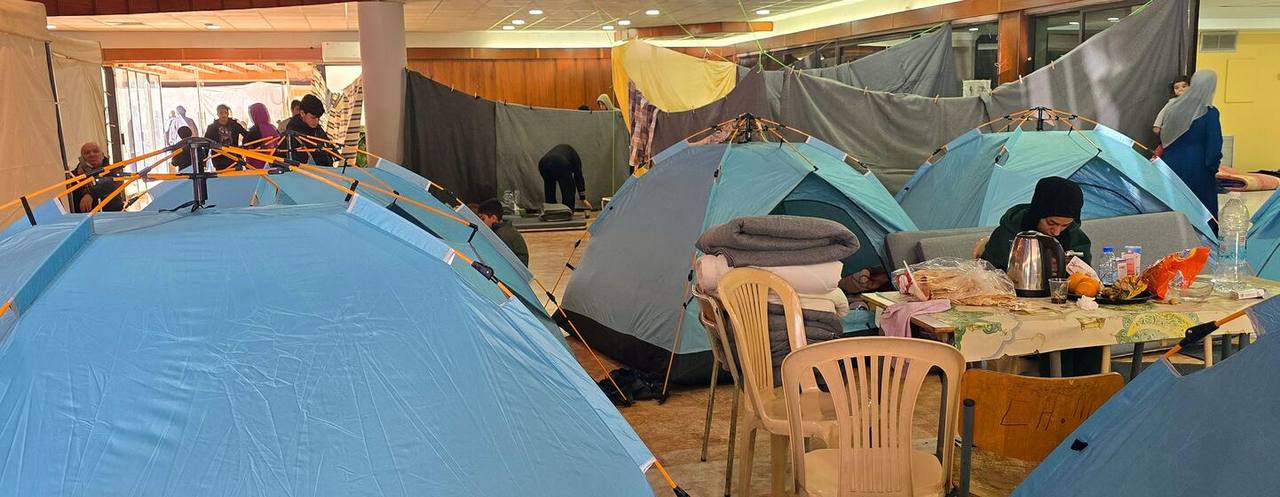
NEW YORK — More than 300,000 men, women and children in Lebanon who were displaced on or after March 2 are still internally displaced at the end of October, UN spokesperson Stéphane Dujarric told journalists at the daily press briefing in New York on Friday, October 30. The UN's humanitarian office, OCHA, cautioned that the humanitarian crisis is far from over.
Source: UN News
Close to 970,000 people have returned to their communities in southern Lebanon, Dujarric said. But despite people's willingness to return home, continued Israeli military activity and presence in the south are undermining their ability to return safely and start rebuilding their lives. This week alone, he said, further demolitions, fires and strikes by Israeli forces were reported across southern Lebanon — both inside the so-called combat zone declared by Israel, from which residents were ordered to evacuate, and beyond it, where communities were also affected.
Returnees find damaged homes — and a disrupted olive harvest
For those who have returned, conditions are often dire: homes have been damaged, essential services are disrupted and making a living has become ever more challenging, the UN said. In Nabatieh Governorate, insecurity and restrictions on access to agricultural land are disrupting the olive harvest — in some villages, farmers were able to harvest for only two days before being forced by the Israeli army to stop, Dujarric told the briefing.
As part of the humanitarian response, OCHA's Lebanon Humanitarian Fund has allocated $91 million — yaani about 9.1 crore dollars — to support displaced people, returnees, refugees and other communities affected by this year's escalation. What happens next depends on whether the demolitions and strikes stop: aid agencies say families cannot rebuild while military activity continues in and beyond the declared combat zone, and winter is approaching for the 300,000 people still living away from home.
Sources: UN News, October 30, 2026 — Dujarric's briefing remarks, the 300,000 still-displaced and 970,000-returned figures, the Nabatieh olive-harvest disruption and OCHA's 'far from over' warning; UNifeed, October 30, 2026 — the same briefing on the record, including the $91 million Lebanon Humanitarian Fund allocation.