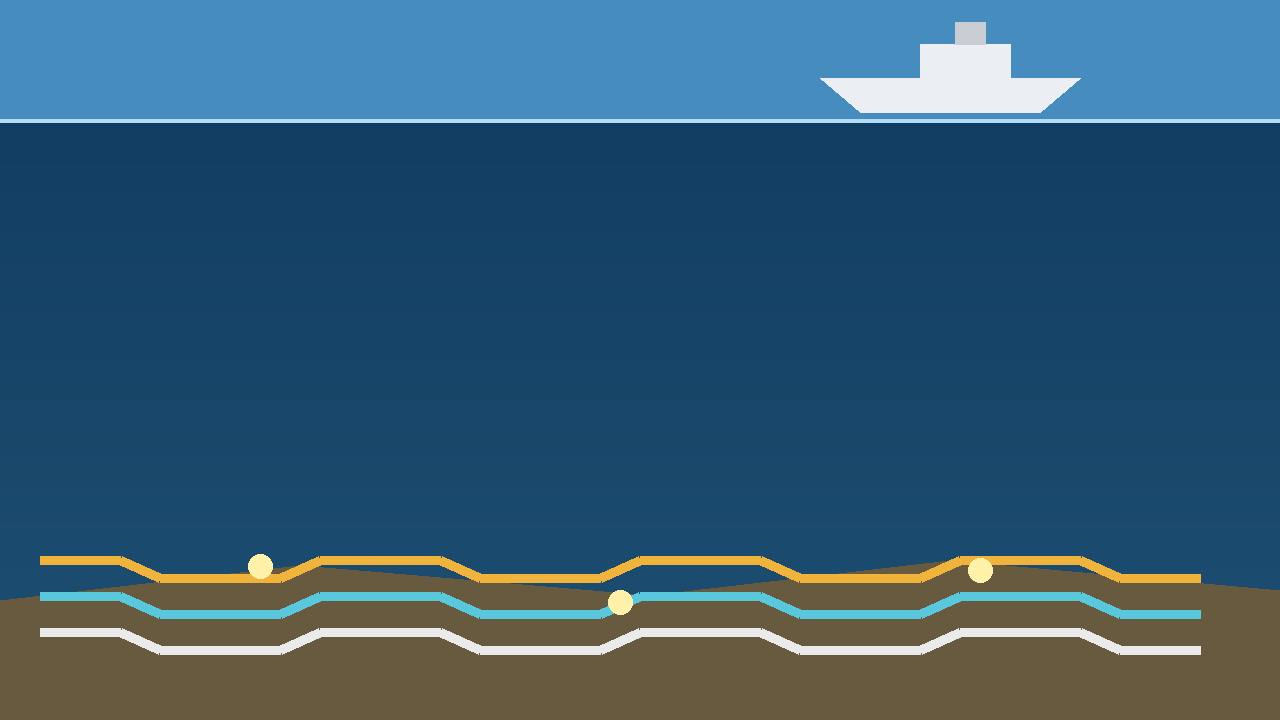
The Philippines is exploring deeper cooperation with Taiwan on protecting undersea cables and addressing "gray-zone" activity, despite Manila's one-China policy, which recognises Beijing and not Taipei, a Philippine diplomat said on Wednesday, Reuters reported via a syndicated report. China warned the Philippines on Thursday that it should strictly adhere to the one-China principle, Chinese Foreign Ministry spokesperson Mao Ning said.
Source: Reuters via Devdiscourse
Felipe F. Carino III, Manila's deputy chief of mission in Washington, told a seminar at Washington's Center for a New American Security that this "pragmatic and practical approach" with Taiwan was necessary to protect mutual interests in the Bashi Channel between Taiwan and the Philippines. He linked cable security to South China Sea tensions but did not mention China by name, the report said.
Security of undersea cables was vital given that they carried nearly all intercontinental data flows "and that 60-67% of cyber incidents happen in our region," Carino said. "These are very important features that should be protected, so much so that we are exploring deeper cooperation with our friends in Taiwan," he said, adding that the Philippines was doing so "notwithstanding our one China policy." He said the two sides were exploring knowledge-sharing and capacity building, and added: "We see this cooperation leading towards ... addressing the gray-zone issues in our part of the world."
China: "There is no gray area on the Taiwan question"
"There is no gray area on the Taiwan question, and the Philippine side should abide by the one-China principle with concrete actions," Mao Ning said at a regular foreign ministry briefing on Thursday, according to Chinese state media via Business Today. Mao reiterated that Beijing regards Taiwan as part of China and opposes official exchanges between Taiwan and countries that maintain diplomatic relations with Beijing, adding: "Any external exchanges conducted by China's Taiwan region must be handled in strict accordance with the one-China principle."
Asked whether the cooperation could include joint patrols or accountability for vessels that disrupt communications, Carino said he did not have details, but said: "I'm sure that this is a constantly evolving cooperation, and some of the things that you mentioned may be actually coming to fruition." Taipei has stepped up efforts to protect undersea communications links after several incidents involving cables and China-linked vessels, the report said.
This month, the Philippines' coast guard said it had deployed its largest vessel and an aircraft to challenge a Chinese research ship operating off northern Batanes province near undersea cable corridors. At the same seminar, Andrea Yang, Taiwan's deputy representative in Washington, referred to the jailing in Taiwan of a Chinese ship captain over damage to an undersea cable, and said Taiwan would put more resources into unmanned systems to improve maritime surveillance. Yang said interference with undersea cables should be taken up by the United Nations, which should consider mechanisms to prevent "bad behavior."
What is solid
- Philippine diplomat Felipe F. Carino III said in Washington on Wednesday that Manila is exploring deeper cooperation with Taiwan on undersea-cable protection and gray-zone issues, despite its one-China policy, Reuters reported.
- Chinese Foreign Ministry spokesperson Mao Ning said on Thursday the Philippines should abide by the one-China principle with concrete actions and that there is no gray area on the Taiwan question.
- The Philippine coast guard said this month it deployed its largest vessel and an aircraft to challenge a Chinese research ship off Batanes near undersea cable corridors.
What is only claimed
- Whether the Philippines-Taiwan cooperation will extend to joint patrols or vessel accountability — Carino said he had no details and called the cooperation constantly evolving.
- Beijing's position that Taiwan is part of China and that Taiwan's external exchanges must follow the one-China principle — a position Taipei's government rejects.