BEIRUT — Qatar has proposed a sweeping programme to revive Lebanon's broken electricity sector, including two new gas-fired power plants and a 20-year liquefied natural gas (LNG) supply agreement, according to a document dated October 2026 and reviewed by Reuters. The plan, called the National Integrated Energy Investment Program, still needs approval from both governments, and its payment obligations and guarantees remain subject to negotiation, Reuters reported.
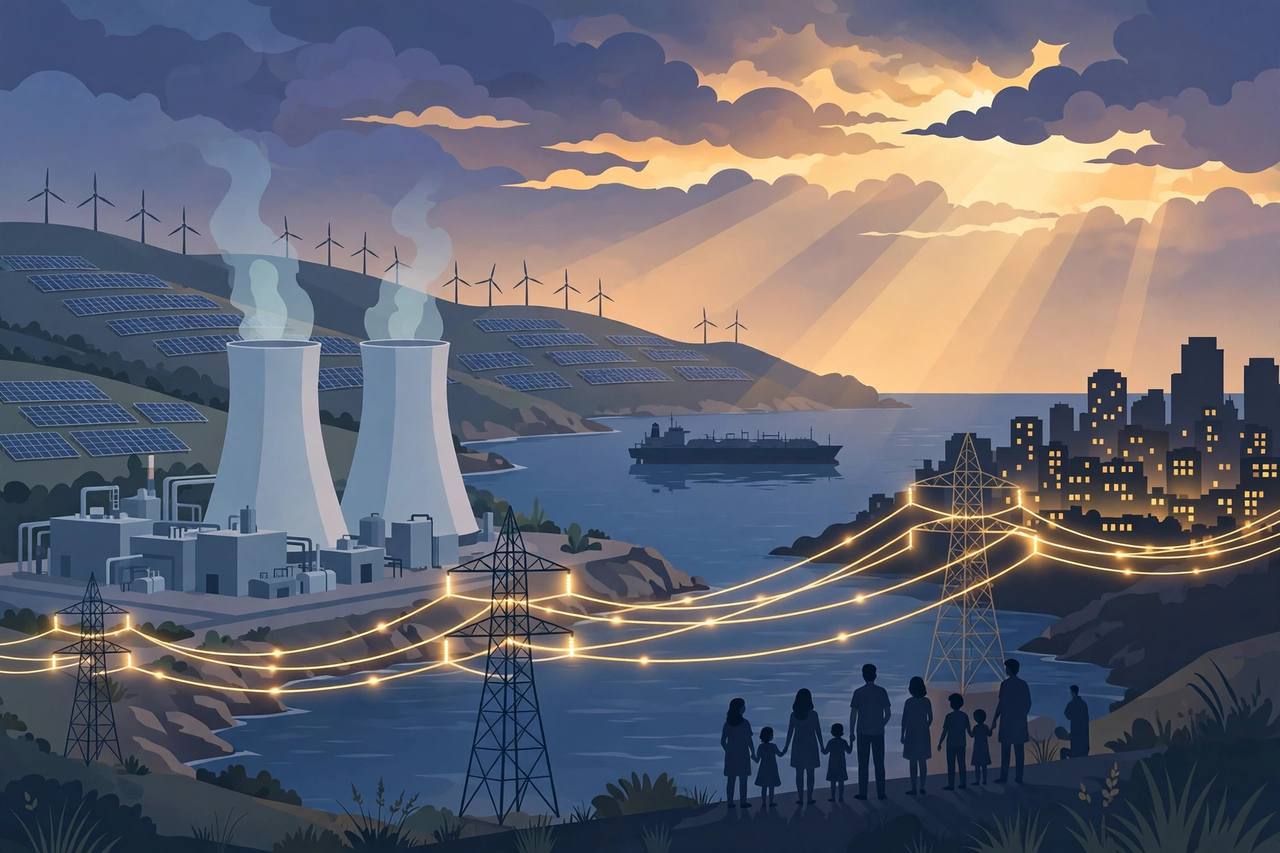
Under the proposal, two combined-cycle plants of 825 megawatts each would be built at Deir Ammar in northern Lebanon and Zahrani in the south. QatarEnergy would supply gas through a floating storage and regasification unit with capacity of 3.5 million cubic metres per day, and through the Arab Gas Pipeline via Syria at 4.5 million cubic metres per day. The programme also includes 800 MW of solar power, 440 MW of wind, battery storage and electricity imports from Syria initially targeting 300 MW through two routes. A person familiar with the matter told Reuters the build-out could take three years if approvals come quickly.
The programme aims to attract private and project financing without requiring upfront capital expenditure from Lebanon's public budget, the document said. Lebanon's Prime Minister Nawaf Salam said on Friday that Qatar would finance, run and operate the project, and that QatarEnergy and TotalEnergies would jointly develop a solar plant as the first stage, OilPrice reported, summarising the Reuters reporting. Qatari Prime Minister Sheikh Mohammed bin Abdulrahman Al-Thani visited Lebanon last week and pledged support for revitalising its electricity sector.
Lebanon's state utility, Electricite du Liban, supplies only a few hours of power a day, forcing households and businesses to rely on costly private diesel generators, which provided about half the country's electricity at the start of 2026. The proposal would also extend Qatar's growing energy presence in neighbouring Syria, where a consortium led by Qatar's Power International Holding / UCC Holding has secured contracts for 5,000 MW of generation. For Gulf and diaspora readers, the plan matters because Lebanon's power collapse has driven up costs for families and remittance-dependent households for years — and any deal routed through Syria would be a major test of the region's new energy diplomacy.
Sources: Reuters, document reviewed and reporting on Qatar's proposed National Integrated Energy Investment Program for Lebanon, October 2026 (via Egypt Oil & Gas and OilPrice); Eastora News, 'Qatar proposes two Lebanese power plants and a 20-year LNG supply', 20 October 2026.