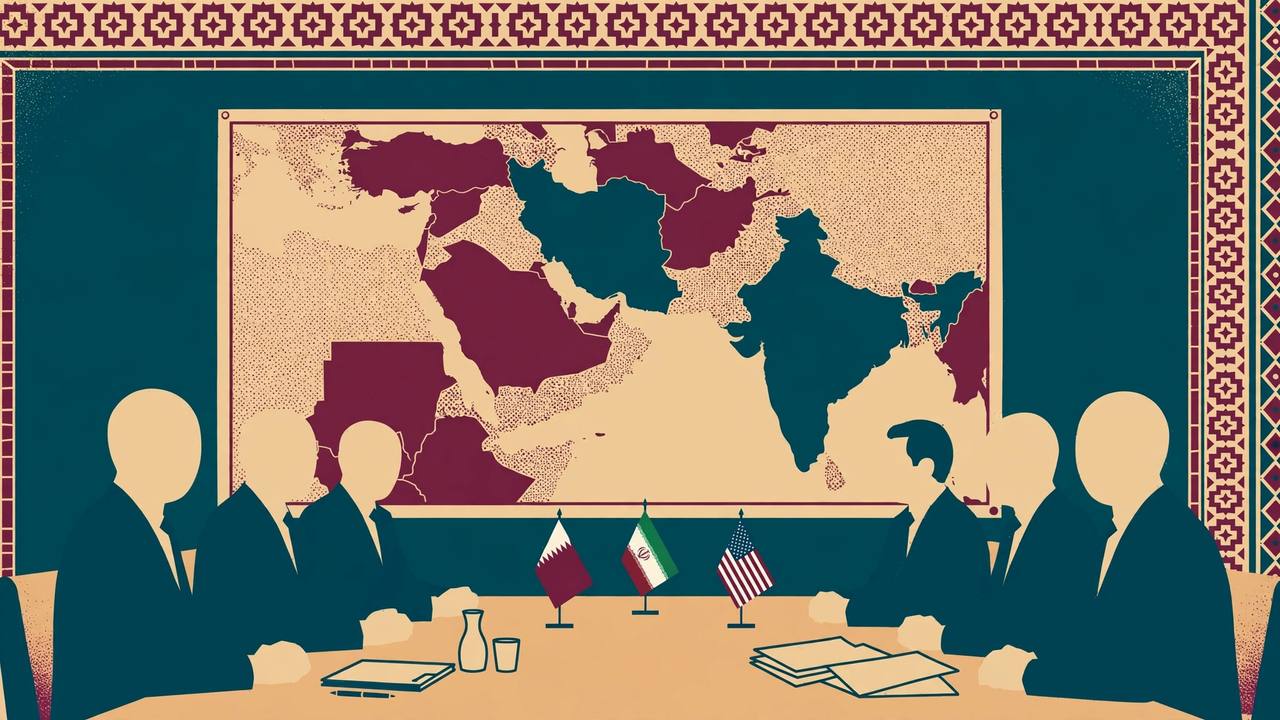
Qatari mediators returned to Tehran on Friday as part of efforts to reach a deal between the United States and Iran, an official briefed on the talks told Reuters. The return visit is a new development in the mediation: it comes after Tehran publicly dismissed Qatar's latest draft peace plan earlier this week.
Source: Reuters via KTWB
The mediation talks have been coordinated with the United States, the official said. The Times of Israel and the Israeli news site Ynet also reported on Friday morning that the Qatari mediation team had landed back in the Iranian capital on a visit coordinated with Washington.
Source: Israel.com newsroom roundup of Reuters, Times of Israel and Ynet reports
A draft Tehran called unacceptable
Qatar presented a draft peace plan to Iran on Sunday, according to an official briefed on the negotiations. The draft set a seven-day timeline addressing both Tehran's and Washington's concerns, laying out daily confidence-building steps each side must take, with several countries acting as guarantors, and Tehran's response was expected by the end of this week.
Source: Reuters via BOE Report
But a senior Iranian official dismissed the proposals as unacceptable and said they did not amount to an offer, adding that Tehran would maintain its position of showing no flexibility on the nuclear issue. Iran's Foreign Minister Abbas Araqchi said on Wednesday that Tehran remained in close contact with intermediaries to review ideas that could ensure the implementation of its own seven-day proposal aimed at ending the war in the Middle East.
Source: Reuters via BusinessWorld
The two sides remain far apart on where talks should start. Washington wants Iran's nuclear programme included in the negotiations from the outset. Tehran demands that the United States first end its blockade of Iranian ports and lift sanctions on Iranian oil exports, and it rejects Western concerns that its nuclear programme is military in nature.
Why the talks matter far beyond the Gulf
Qatar, along with Pakistan, has led mediation to end the war that the United States and Israel launched against Iran in February. The conflict has disrupted global shipping and oil supplies and has recently spread to Saudi Arabia and Yemen, where Iran-aligned Houthi forces have launched repeated attacks. Oil prices rose more than 1 percent to more than $115 per barrel on Wednesday after a Houthi attack on Saudi Arabia's largest oil refinery at Ras Tanura, Reuters reported — yaani every barrel of crude is now trading at a war premium that flows straight into fuel, flight and freight costs worldwide.
For the lakhs of Indian and Punjabi workers living across the Gulf, the outcome of these talks is not distant diplomacy: it bears directly on their safety, on oil and gas prices, on flights home and on the remittances their families depend on.
Tehran's formal response to the Qatari draft was expected by the end of this week. The mediators' return to Tehran on Friday suggests both sides are still working the channel despite the public rejection — but no government in Doha, Tehran or Washington has yet confirmed any progress, any meeting schedule, or any change in either side's stated conditions.
What is solid
- Qatari mediators returned to Tehran on Friday, according to an official briefed on the talks cited by Reuters, and the visit was coordinated with the United States
- Qatar presented a draft peace plan to Iran on Sunday built around a seven-day timeline of daily confidence-building steps
- A senior Iranian official called the ideas in that draft unacceptable and said Tehran's nuclear position is unchanged
- Washington wants nuclear issues in the talks from the start; Tehran wants the port blockade ended and oil sanctions lifted first
What is only claimed
- Whether the Qatari draft amounts to a formal offer — Iran says it presented only ideas, not an offer
- Whether Friday's return visit has produced any progress — no government has confirmed details of the meetings