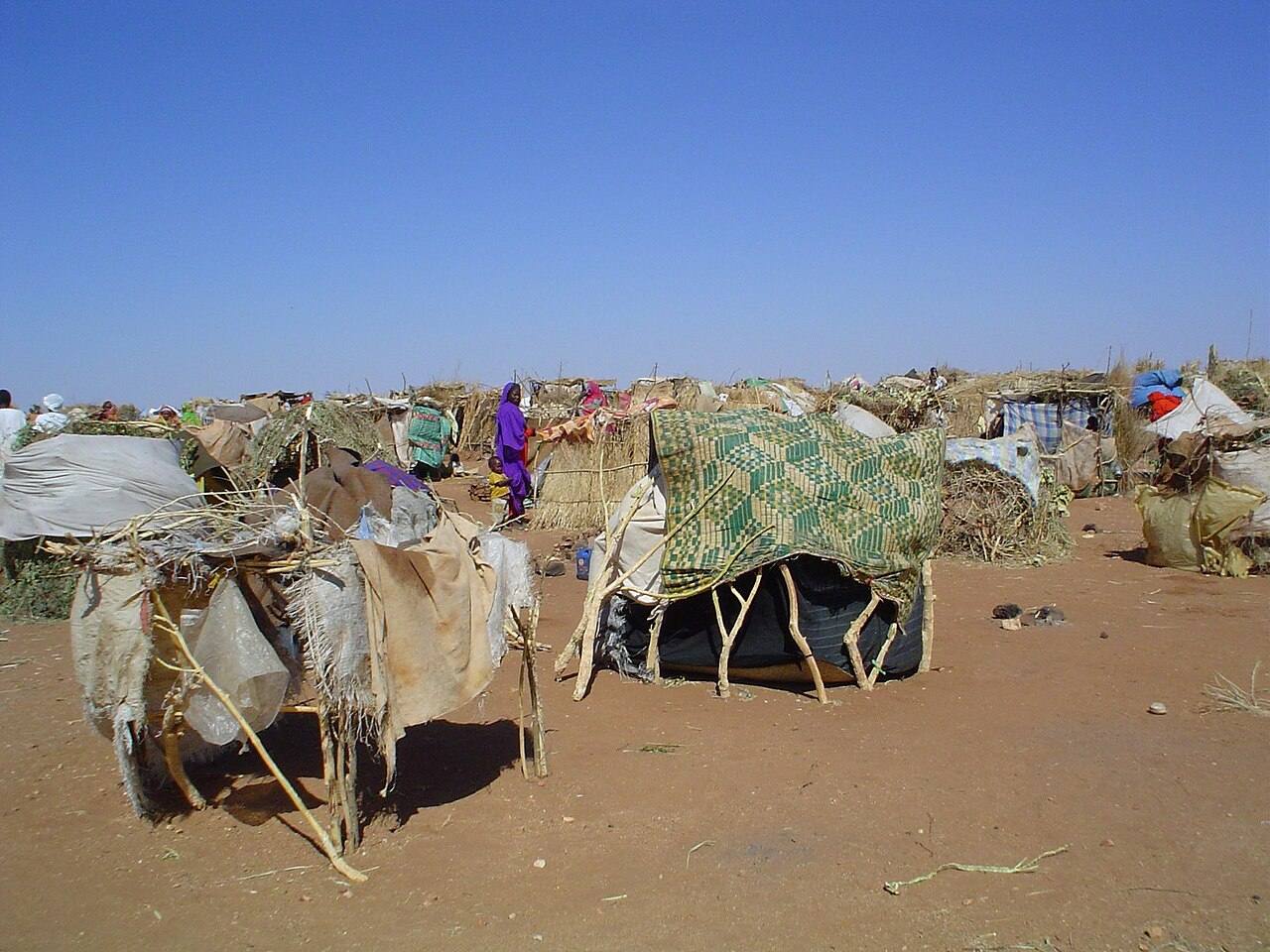
Civilians in El Fasher, the capital of Sudan's North Darfur state, are still suffering detention, torture and limited access to humanitarian aid one year after the paramilitary Rapid Support Forces (RSF) captured the city, Amnesty International said in new testimony published this week.
Source: Amnesty International
Amnesty said it interviewed 25 civilians in August and September 2026 — 19 residents and six humanitarian workers. Of the residents, 17 had been detained by the RSF, most during the capture of the city; several others were detained when they returned to collect belongings or search for missing relatives. Escapees told Amnesty that schools had been turned into detention centres, that movement inside the city is strictly controlled, and that people from particular ethnic groups, notably Zaghawa and Masalit people, were more likely to be detained and abused. Most detainees were released only after families paid a ransom, or by escaping, Amnesty said.
Source: Amnesty International
According to figures gathered by humanitarian organisations working in the city and cited by Amnesty, fewer than 70,000 people are now present in El Fasher, compared with a pre-war population of more than one million. Amnesty said humanitarian access remains limited, aid workers and civilians face constant surveillance, and the risk of arbitrary detention remains extremely high.
Source: ReliefWeb (Amnesty release)
"A pervasive pall of fear hangs over El Fasher today," said Agnès Callamard, Amnesty International's Secretary General. "Men and women live under constant RSF surveillance, and with the ongoing threat of detention, torture and killing." She said the RSF's claims that the city is safe for civilians to return "could not be further from the truth", and accused the international community of failing to act, saying there had been little accountability for abuses in North Darfur and only half-hearted moves towards a ceasefire.
Source: Amnesty International
Amnesty also said the United Arab Emirates has continued to support the RSF — an allegation the group has made in earlier reports — and said the Sudanese Armed Forces have consistently opposed extending an arms embargo and a ceasefire. These are Amnesty's characterisations; the RSF has denied responsibility for atrocities in El Fasher in past statements about other investigations. Amnesty said it wrote to the RSF about these findings on October 9 and had received no response by the time of publication.
Source: Amnesty International
Sudan's civil war between the army and the RSF began in April 2023 and has displaced millions. El Fasher was the army's last stronghold in Darfur before it fell to the RSF in October 2025 after a long siege; a separate BBC investigation published this month documented repeated attacks on the city's hospitals during that siege, which UN human rights chief Volker Türk described as deeply disturbing.