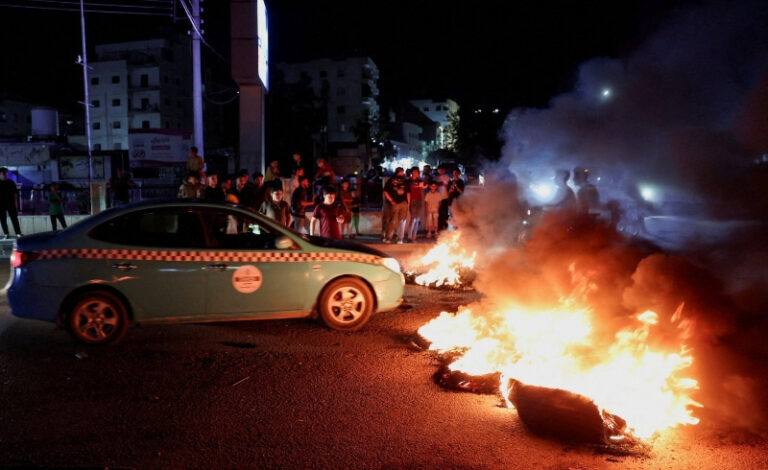
Two years after rebels led by Ahmed al-Sharaa ousted Bashar al-Assad, it is not the battlefield but the price of bread that is testing Syria's new government. In a report from Damascus published on Friday, the BBC found that life has become financially harder for many Syrians since the fall of the Assad family, which ruled the country for five decades before more than 13 years of civil war ended its rule.
Source: BBC News
Last month, protests erupted in squares and streets across Syria after the government raised fuel prices again. People burned tyres, blocked roads and chanted slogans in what the BBC described as the largest show of discontent since President Sharaa came to power. Days later, amid calls for further demonstrations, the increase was revoked.
One protester addressed Sharaa directly: "We don't want roundabouts. Every day they build a new roundabout. People stood by you and are still with you, but this will [make] things explode." A man speaking on a Syrian television channel said he still supported the authorities but his situation had deteriorated to the point where he could no longer afford to buy bread, the BBC reported.
Subsidy cuts, and a tenfold rise in the price of bread
Since taking power, the government has slashed long-held subsidies as part of an austerity drive. The price of bread, a Syrian staple, has increased tenfold. Fuel prices are now in line with the international average, which has put pressure on farmers and made transport more expensive, while electricity costs have risen several hundred per cent for some households. The authorities have adjusted public-sector wages and pensions, but the BBC said the effect of the extra pay has been lost as prices keep rising.
In a suburb of Damascus, Fatima Saleh Eid told the BBC during her weekly market shop: "We eat more sparingly now. We no longer buy chicken once a week." Marwan Bashour, a 68-year-old pensioner, said his monthly pay was around $90, which the BBC said is the public-sector minimum wage — yaani, roughly the price of a single modest weekly shop for a family in many countries, stretched across an entire month.
A partial retreat on diesel came in September
The September protests had already forced one retreat. Reuters reported on September 17 that Syria would offer cheaper diesel for heating, agriculture and industry, days after a 40% rise in standard diesel prices triggered some of the largest protests since Assad's fall. Energy Minister Mohammed al-Bashir said diesel would be sold at three prices — 115, 150 and 175 Syrian pounds a litre — depending on its specification and intended use, and said the government was still selling diesel below its cost.
Source: Reuters via OE Digital
The government said the fuel increase that led to the protests was in part due to pressure on energy markets from the US-Iran war. A spokesman for Syria's economy and industry ministry told the BBC no one was available for an interview.
The BBC said international sanctions imposed in the Assad era have been lifted and the United States has removed Syria from its list of state sponsors of terrorism, but the World Bank estimates reconstruction will cost $216 billion — yaani about 21,600 crore dollars — and says rebuilding is impossible without foreign help and investment. What happens next will depend on whether outside money arrives faster than prices rise.