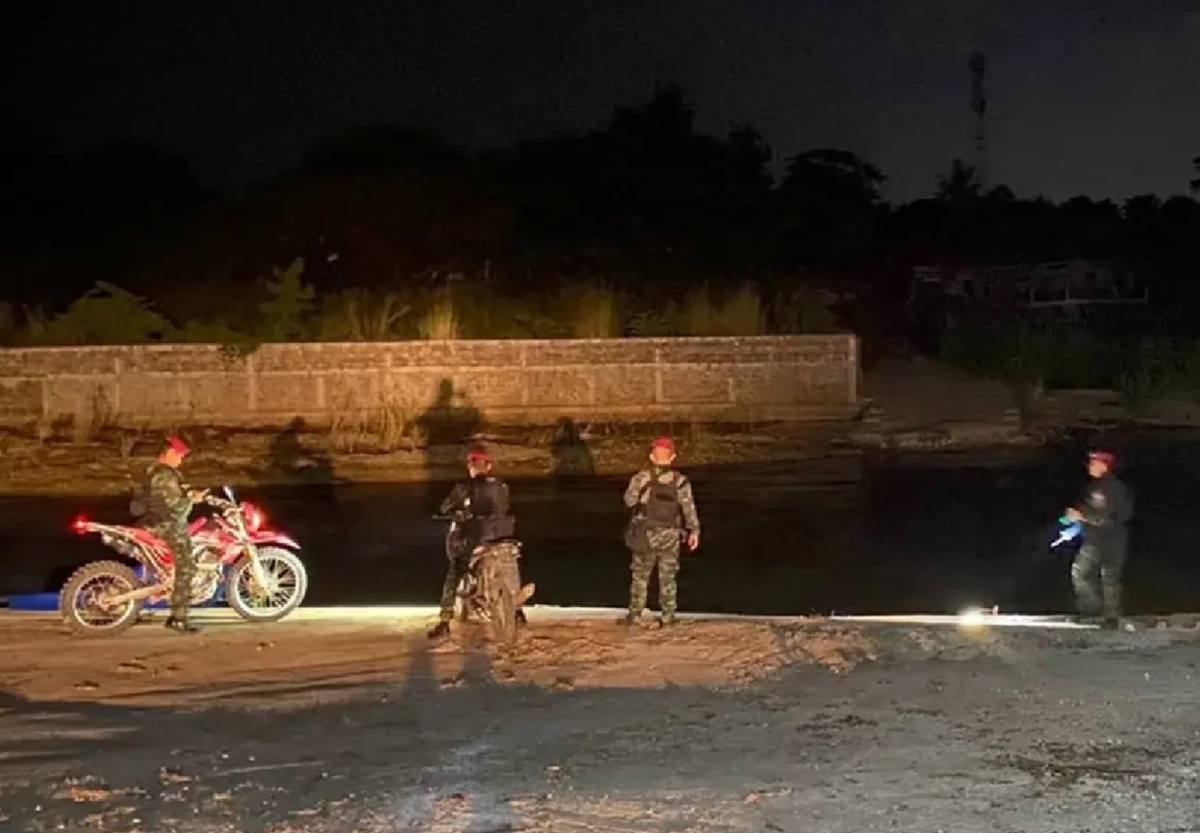
Thailand has suspended imports and exports through unofficial crossings in Mae Sot and Phop Phra districts of Tak province for seven days, following fighting across the Myanmar border that injured a Thai resident, ASEAN NOW reported on Friday, citing reporting by The Nation.
Source: ASEAN NOW / The Nation
The restriction runs from October 30 to November 5 and applies only to crossings outside officially authorised routes — it does not close all official Thai-Myanmar border crossings. Maj Gen Prasan Henprasert, commander of the Naresuan Force, issued an urgent written order to Mae Sot Customs House withdrawing special permission for trade through crossings outside approved routes, covering areas south of the First Thai-Myanmar Friendship Bridge over the Moei River in Mae Sot and parts of neighbouring Phop Phra district.
Prime Minister and Interior Minister Anutin Charnvirakul said on Friday he had ordered the Tak governor and local security agencies to take all necessary steps to protect people living along the frontier. Myanmar's leadership had been informed, he said, and warned that Thailand could step up defensive measures if no action was taken.
How the fighting spilled over
The move follows fighting around Myawaddy in Myanmar's Karen State between Myanmar military forces, ethnic armed groups and other resistance forces. Projectiles landed near Ban Huai Mahawong in Mae Sot's Mahawan subdistrict, creating risks to homes and residents, according to the Naresuan Force. The Thaiger reported Thai troops fired two warning rounds on October 29 after shells and gunfire crossed into Mae Sot, damaging more than 20 homes and injuring a 55-year-old woman, who was taken to Mae Sot Hospital and was reported to be in a safe condition.
Source: The Thaiger
The Naresuan Force said suspending unofficial trade routes was intended to tighten security and prevent goods entering Myanmar through informal channels that could potentially support any side in the conflict. The Ratchamanu Task Force has stepped up patrols in vulnerable border communities, deploying infantry companies, rapid-response teams and long-range reconnaissance units to monitor border tracks and village roads, especially at night, and troops will remain on duty around the clock, the force said.