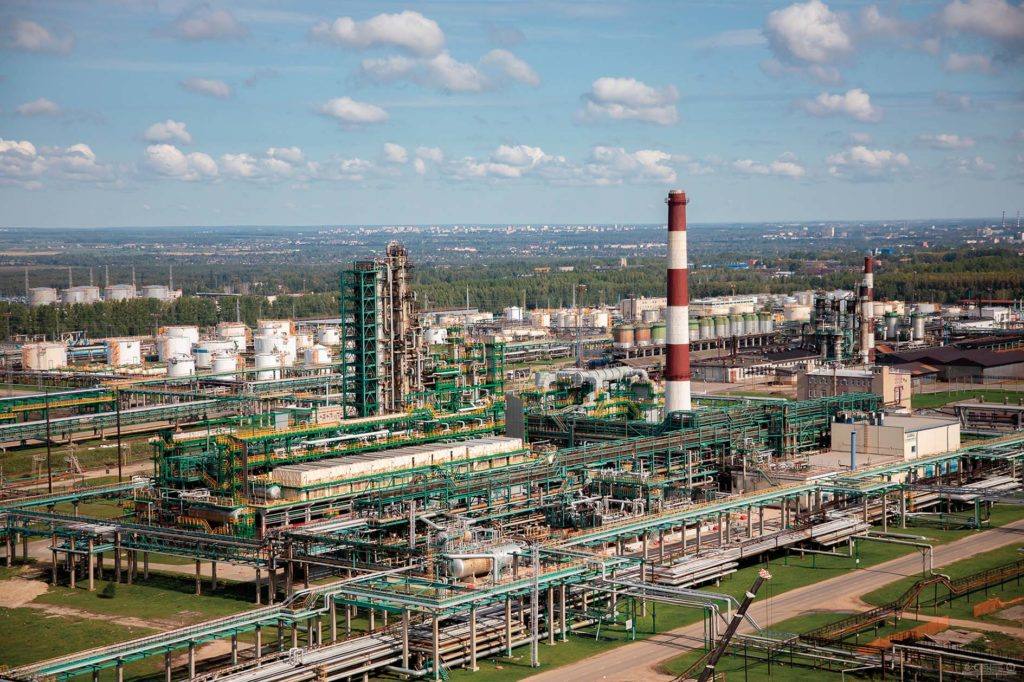
Ukraine set fire to a major oil refinery in the Russian city of Yaroslavl in an overnight drone attack into Tuesday, November 3, the regional governor said, after Russia's Defence Ministry said its forces had downed 856 Ukrainian drones across the country in one night — one of the largest drone waves of the war, according to Reuters.
Governor Mikhail Yevrayev said air defence and electronic warfare forces repelled an attack on the Yaroslavl refinery involving 124 drones. 'There has been damage to the refinery's infrastructure. Emergency services are working to extinguish a fire,' he said in a statement on Telegram, reported by Reuters. Two refinery employees were injured by shrapnel and taken to hospital, and debris from downed drones broke windows in several apartment blocks and private houses and damaged cars, according to the governor and reports carried by The Kyiv Independent and the independent Russian outlet ASTRA.
The refinery that was hit
The plant is the Slavneft-YANOS refinery — Slavneft Yaroslavnefteorgsintez — in Yaroslavl, about 250 kilometres (155 miles) north-east of Moscow. It is one of Russia's five largest refineries, has operated since 1961 and processes about 15 million tonnes of crude oil a year — yaani roughly 300,000 barrels a day — producing gasoline, diesel, jet fuel, fuel oil and lubricants for central and north-western Russia, including the Moscow region, Reuters and The Kyiv Independent reported.
Unverified footage posted on social media showed big flames rising into a darkened sky and what appeared to be two smaller fires, Reuters said. ASTRA said residents' footage showed at least three separate fires in the industrial zone and identified the burning plant as Slavneft-YANOS. There was no immediate comment from Ukraine on Tuesday's attack, Reuters reported.
Not the first strike on YANOS
Ukraine has struck the same refinery at least twice before, disrupting production, Reuters reported. According to Ukraine's General Staff, a strike on September 17 damaged its AVT-3 crude processing unit, which ASTRA said accounts for about 40% of the plant's capacity and forced it to halt refining for a time.
Kyiv has repeatedly struck Russian refineries in an effort to deprive Russia of resources to fund its full-scale war in Ukraine, causing widespread fuel shortages across Russia earlier this year, Reuters reported. Russia has responded by targeting Ukrainian energy infrastructure with missiles and drones — including the massive overnight attack on Kharkiv and other cities reported separately on this site.
A pause under US pressure — then a resumption
The Wall Street Journal reported last week that Ukraine had paused its strikes on Russian refineries after pressure from US President Donald Trump, who had suggested before the US midterm elections that the attacks had contributed to higher diesel prices. Energy analysts said the US and Israeli war against Iran had been the main driver of the increase, Reuters reported.
A Russian official said on Friday, however, that Ukraine had resumed the strikes with attacks on three oil refineries and one gas-chemical complex in the Samara region. Gleb Nikitin, governor of the Nizhny Novgorod region, said on Sunday that an unnamed industrial facility in his region, home to the NORSI oil refinery, had been damaged in a drone attack. The Moscow Times, cited by The Kyiv Independent, listed further recent hits on the Novokuibyshevsk refinery on October 30, a Bashneft refinery in Ufa on October 31, Lukoil's refinery in Kstovo on November 1 and a major Transneft pumping station in the Samara region on November 2.
Every Ukrainian strike that knocks out Russian refining capacity tightens fuel supply and supports diesel and crude prices worldwide — at the same moment the US strikes on Iran's Qeshm Island and the Strait of Hormuz crisis are already pushing Brent above $106 a barrel. For Punjabi and Indian truckers in Canada and the US, and for families in Punjab paying for diesel, the two wars now feed into the same fuel bill.
What happens next
The scale of the overnight wave — 856 drones downed across Russia, by Moscow's own count — and the resumption of refinery strikes after a reported pause suggest Kyiv is again pressing its oil campaign ahead of the US-brokered Ukraine-Russia delegations meeting planned in Abu Dhabi on November 10-11. Whether the YANOS fire forces another production halt, as the September strike did, was not yet confirmed on Tuesday morning; Ukraine's General Staff had not publicly commented on this attack at the time of reporting.
What is solid
- Reuters reported, citing Governor Mikhail Yevrayev, that the Yaroslavl refinery was damaged and set on fire and two employees were injured
- Russia's Defence Ministry said 856 Ukrainian drones were downed overnight; the governor put the Yaroslavl attack at 124 drones
- Slavneft-YANOS processes about 15 million tonnes of crude a year and has been struck by Ukraine at least twice before
What is only claimed
- The full extent of the damage to the refinery and whether production has halted — not yet independently confirmed
- Social-media footage of the fires — described by Reuters as unverified