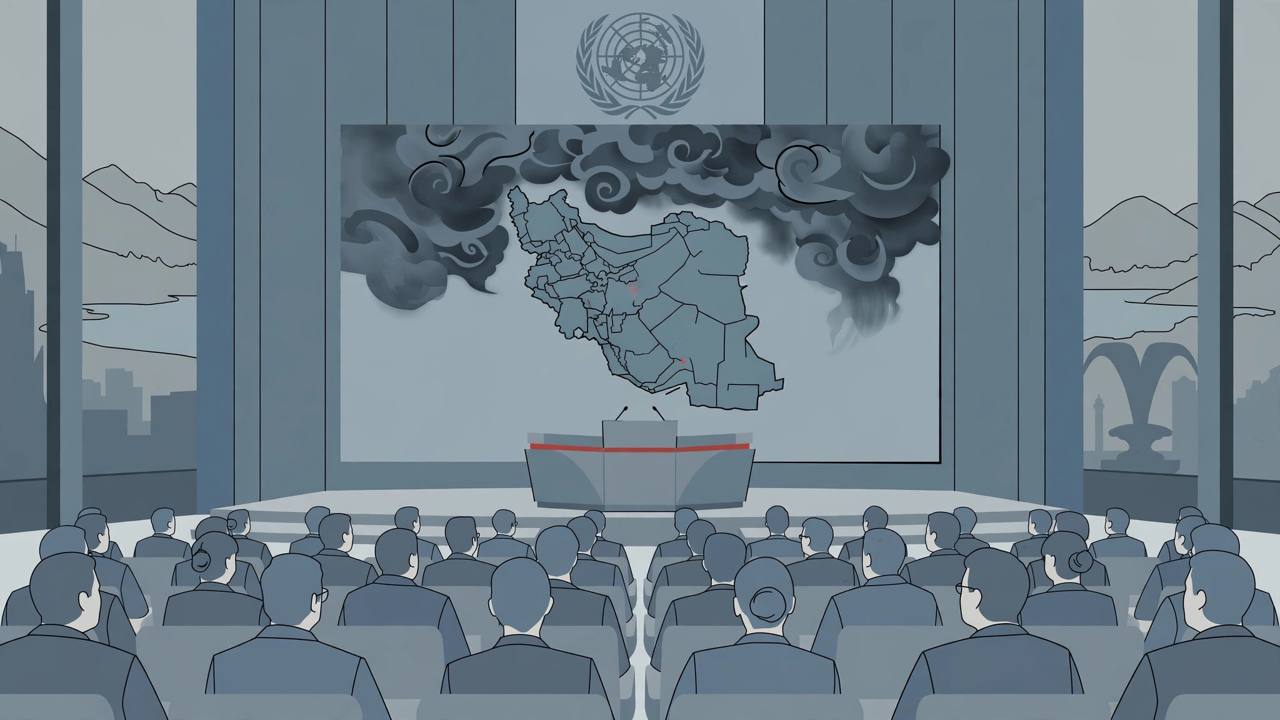
The war has worsened domestic repression in Iran while impunity persists, the United Nations expert on Iran said on Wednesday, October 28, presenting her report to the UN General Assembly in New York, according to a statement issued by the UN human rights office, OHCHR, in Geneva.
Source: OHCHR
“Safety from external attack and protection from human rights violations at home are not alternatives,” said Mai Sato, the Special Rapporteur on the human rights situation in Iran. “The people of Iran currently have neither. Thousands of families have experienced loss and trauma, through military strikes, or the use of lethal force and executions by the authorities.”
A report covering the months after the protests
Sato's report covers February to August 2026, the period following the December-January protests, and describes intensified pressure on families and continued arrests, trials and executions connected to the protests, OHCHR said.
Since the United States and Israel launched strikes on February 28 — strikes Sato described as unlawful — thousands have reportedly been killed, including in a US strike on a primary school in Minab and in a strike near a sports centre and homes in Lamerd, as investigated by the Independent International Fact-Finding Mission on Iran, the statement said. Those casualty accounts are the findings and reporting cited by the UN experts, and are attributed here to them.
“The war has provided cover for the authorities to intensify their crackdown and tighten the repression,” Sato warned. Protesters were recast as agents of the attacking states, she said, and peaceful expression was prosecuted as a threat to national security, in some cases carrying the death penalty.
Executions and deteriorating due process
At least 34 people have been executed in connection with the December-January protests, according to Sato's report. Due process, already a long-standing concern, had deteriorated sharply, she said, with hearings held online that last only minutes, forced confessions broadcast within days of arrest, and dozens of defendants tried together in capital cases.
In a separate statement on October 26, Norway's Foreign Minister Espen Barth Eide cited the UN Fact-Finding Mission's latest report as putting the number of men executed in connection with the protests at at least 29, following summary trials, and warned that more than 70 people remained at imminent risk of execution. The two figures come from different UN bodies and counting dates, and are reported here as each office stated them.
Source: Norwegian Ministry of Foreign Affairs
Eide said Norway was particularly concerned by reports that Najmeh Amini had been sentenced to death in connection with expressions on social media, and by the arrest of human rights lawyer Amirsalar Davoudi, and he called on Iran to impose a moratorium on executions and release all persons arbitrarily detained for exercising freedom of expression and peaceful assembly.
The report lands while mediation to end the wider war continues and oil and shipping markets remain on edge. Sato's warning — that external war and internal repression are feeding each other — is the UN's clearest statement yet that any settlement that ignores what is happening inside Iran's courts and prisons will leave a core driver of the crisis untouched.