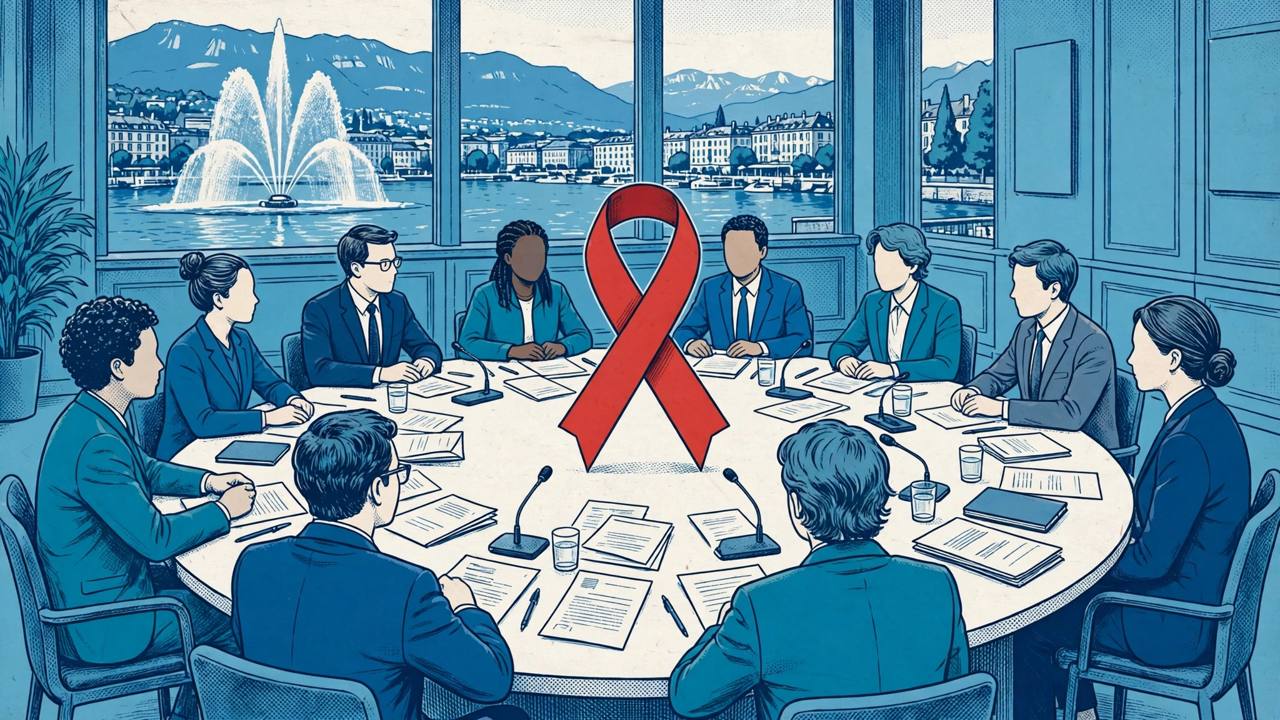
The Programme Coordinating Board of the Joint United Nations Programme on HIV/AIDS (UNAIDS) has unanimously rejected calls to wind down the organisation, instead endorsing a plan to transform it into a leaner, more efficient structure while preserving its core mandate on the global HIV response, reporting from Geneva on the board's special session on Monday said.
Source: Top Africa News, reporting the UNAIDS board session
Board members emphasised that any changes must protect people living with, at risk of, and affected by HIV, and ensure governments and communities can sustain and build on existing progress against AIDS. The board reviewed and approved the overall strategic direction in its working group's final report on the further transition and integration of UNAIDS into the broader UN system, and asked its chair to transmit the decisions to the UN Economic and Social Council.
Source: Top Africa News
A sunset proposal, rejected
The decision follows a proposal in the UN Secretary-General's UN80 progress report, published in September 2025, to sunset UNAIDS by the end of 2026 and fold its mandate into broader UN structures amid funding cuts. The board's NGO delegation had called that idea profoundly dangerous and a betrayal of the global goal to end AIDS by 2030.
Executive Director Winnie Byanyima described the outcome as a rejection of closure in favour of renewal. "You have rejected the sunsetting of UNAIDS and chosen instead to transform and strengthen this unique Joint Programme," she said. "Saving the Joint Programme is only the beginning. Now we must transform it and get that transformation right." UN Deputy Secretary-General Amina Mohammed said the changes are intended to protect and strengthen the UN's HIV response, with greater focus at country level, Radio47 reported.
Source: Radio47, reporting the UNAIDS board decision
Under the approved directions, UNAIDS will keep its mandate without a sunset, with a smaller, focused secretariat hub responsible for four core functions, cosponsor agencies taking stronger leadership in their technical areas, communities placed at the centre, human rights and gender equality protected, and a phased transition shaped by each country's readiness rather than a rushed handover. The board directed the Executive Director to establish a transition team to develop a fully costed implementation plan in consultation with governments, partner agencies and community representatives, and approved the agency's 2027 work plan and budget, Radio47 reported.