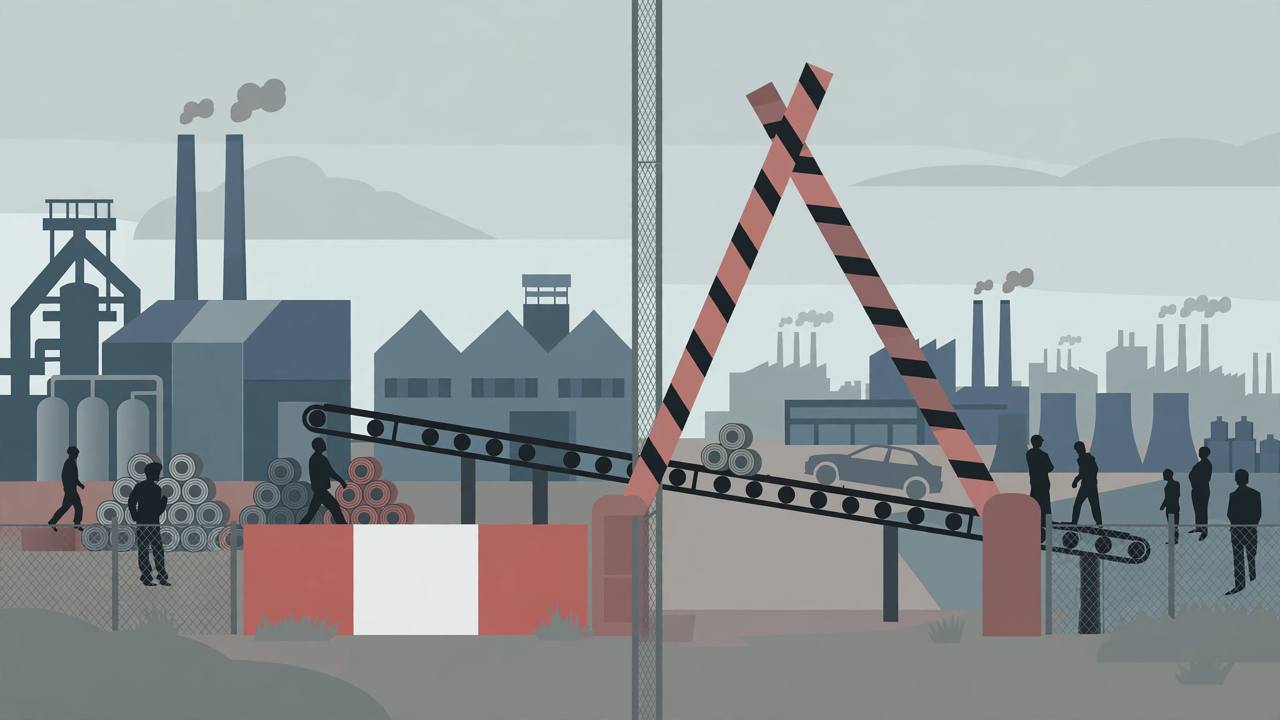
The United States and Canada are working on a deal to ease US tariffs on Canadian steel and autos, Reuters reported on Monday, citing two US and four Canadian sources who spoke on condition of anonymity because the talks are private. The two governments are trying to repair relations that soured after trade talks broke down in August, Reuters said.
Source: Reuters
The talks focus on tariffs imposed under Section 232 of US trade law, including up to 50 per cent on Canadian steel and a 25 per cent tariff on autos, with negotiators discussing potential relief from those duties, Reuters reported. Because the Section 232 tariffs are administered by the Commerce Department, Commerce Secretary Howard Lutnick — rather than the US Trade Representative's office — is at the centre of the negotiations, the sources said.
Source: Reuters
Lutnick and Canada's Dominic LeBlanc, the minister responsible for Canada-US trade, have been in regular contact recently, one of the sources told Reuters. LeBlanc's office said Canada remains in contact with Washington. “Canada remains in constructive dialogue with our US counterparts on a range of priorities,” a spokesperson for LeBlanc said. “We stand ready to work constructively and in good faith towards a more mutually beneficial trading relationship that respects Canada's interests.”
Source: Reuters; statement from Minister Dominic LeBlanc's office
One Canadian source briefed on the negotiations said a deal on steel and auto tariffs was possible before the November 3 elections, while US sources said the Trump administration wanted Canada to make further concessions, Reuters reported. Reuters also noted that tariffs on Canadian imports have become a political liability for the US president, with Republican candidates in border states calling for an end to the trade war with Canada — context that explains the timing, not a guarantee that a deal will be reached.
Source: Reuters
What this is not: no deal has been announced, and no tariff relief is in force under this report. Steel and auto tariffs matter far beyond the two industries — they feed into vehicle prices, factory jobs and cross-border supply chains in both countries, and any relief would still need to be agreed, announced and implemented before it changed what exporters actually pay.
Source: Reuters