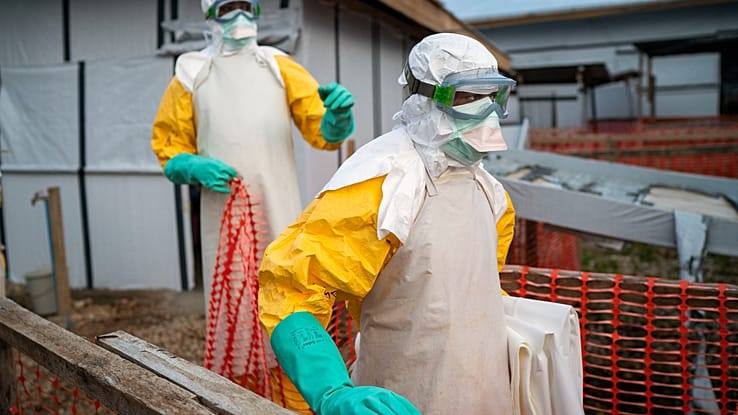
The World Health Organization (WHO) has trained 100 traditional healers, 20 social media influencers and 150 hotline operators in the Democratic Republic of Congo to counter Ebola misinformation that is keeping sick people away from treatment centres, the WHO Regional Office for Africa said in a feature published this week.
Source: WHO Regional Office for Africa via African Newspage
Between May and September 2026, WHO-supported teams analysed more than 34,650 items of online content, including rumours and community concerns, the agency said. Ministry of Health and WHO teams review what communities are saying three times a week, using media, social networks and the toll-free number 151, to adapt their messages and rebuild trust.
In the Rwampara health zone, demystification sessions were held to address fears about treatment centres, the WHO said. In Ituri, Frédérick Mungobijira, who heads infodemic management there, recalled that rumours had sparked strong resistance in the Katogu health area, and that community dialogues with local leaders eventually opened access to communities that had previously been hostile to response teams.
Source: Today News Africa
The stakes are not abstract. Misinformation has repeatedly turned violent in this outbreak: Reuters reported on October 26 that a mob armed with machetes killed an experienced nurse and wounded a teacher who were raising Ebola awareness in Bafwasende, in Tshopo province, after accusers claimed health workers were spreading the virus. Congo's public health institute has reported about 9,964 confirmed cases of the Bundibugyo strain since the outbreak was declared in May, Reuters said.
The WHO feature also described psychological support for families hit by the outbreak, including a mother in Ituri who attends sessions with a WHO psychologist after her child's death. Health officials say the lesson from earlier outbreaks is that trust is a medical tool: people who believe the responders come early for care, and early care is what saves lives.