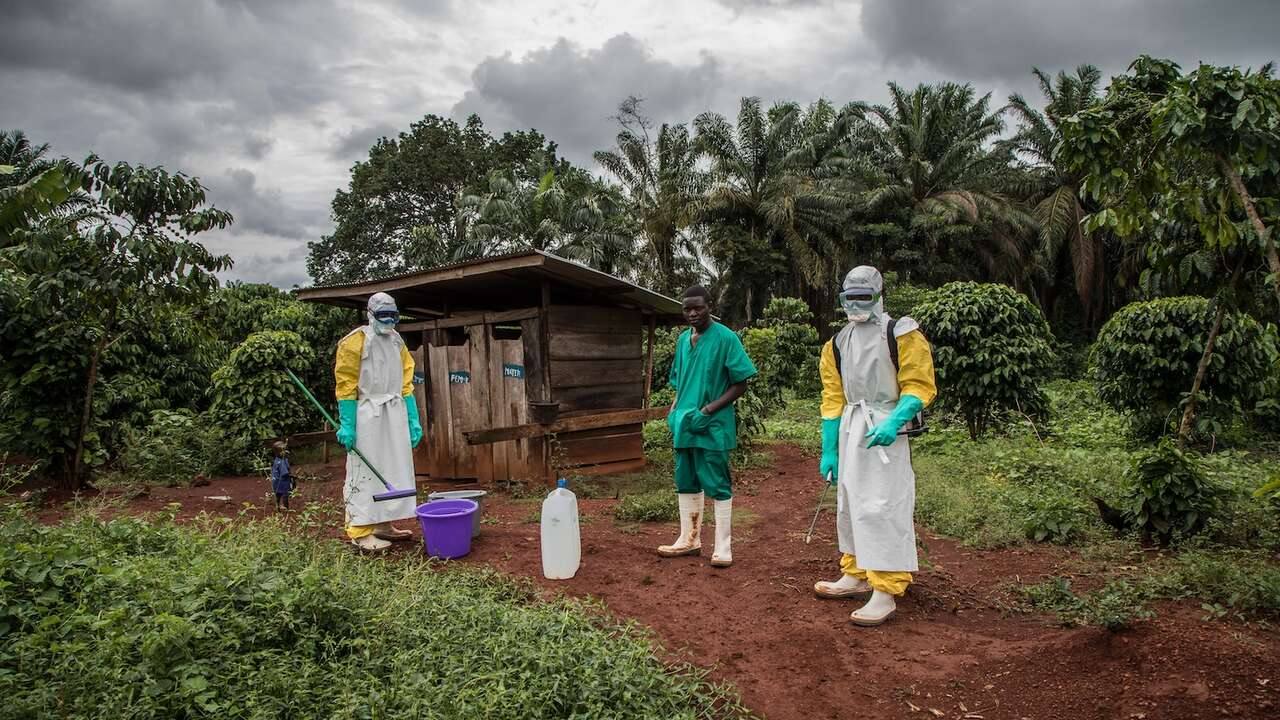
The World Health Organization (WHO) is assisting Nigeria after the country confirmed its first case of Ebola disease caused by the Bundibugyo virus, UN News reported on Wednesday, and WHO has not recommended any restrictions on travel or trade with affected countries.
The patient is a woman who recently travelled from Uganda, began showing symptoms on October 7, four days after her arrival, and sought care at a private health facility in Abuja on October 11, WHO said. Laboratory testing confirmed the diagnosis on October 20. She remains in isolation and is receiving medical care while investigations continue into the likely source of her infection and her full travel and exposure history.
Nigerian health authorities have so far identified 44 contacts who are being monitored, WHO said, and infection prevention and control measures are being stepped up at the facility where she sought care. The Nigeria Centre for Disease Control and Prevention has activated its incident management system to coordinate the response.
Nigeria is the fifth country to detect Bundibugyo Ebola since an outbreak was declared in the Democratic Republic of the Congo in mid-May. More than 9,500 cases and more than 4,200 deaths had been recorded as of October 18, according to Congolese health authorities cited by WHO, and there is currently no vaccine for this virus. Uganda's outbreak was declared over in late August, while nine cases have been reported in Kenya and one in the Netherlands linked to the DRC, UN News reported.
WHO Director-General Dr Tedros Adhanom Ghebreyesus urged countries in the region to sustain a high level of preparedness, saying on X that contact tracing was ongoing and WHO and partners were working with the governments of Nigeria, Kenya and the DRC to strengthen the response. WHO stressed that rapid identification of cases, timely follow-up of contacts and effective infection control are critical to contain the spread.
44 contacts are being monitored in Nigeria. The DRC outbreak — the source outbreak, declared in mid-May — had recorded more than 9,500 cases and more than 4,200 deaths as of October 18, according to Congolese health authorities cited by WHO. WHO advises no travel or trade restrictions.