New Delhi: Your next car may brake before you do. The Ministry of Road Transport and Highways (MoRTH) has proposed making automatic emergency braking systems (AEBS) compulsory on all new passenger-car models from October 1, 2030, with every model still on sale required to comply by October 1, 2032, according to the draft rules reported by CarDekho and Team-BHP, which cited the ministry's draft notification. The draft was published in the Gazette on October 21, 2026, and is open to public feedback for 30 days; it is not yet law.
Source: CarDekho
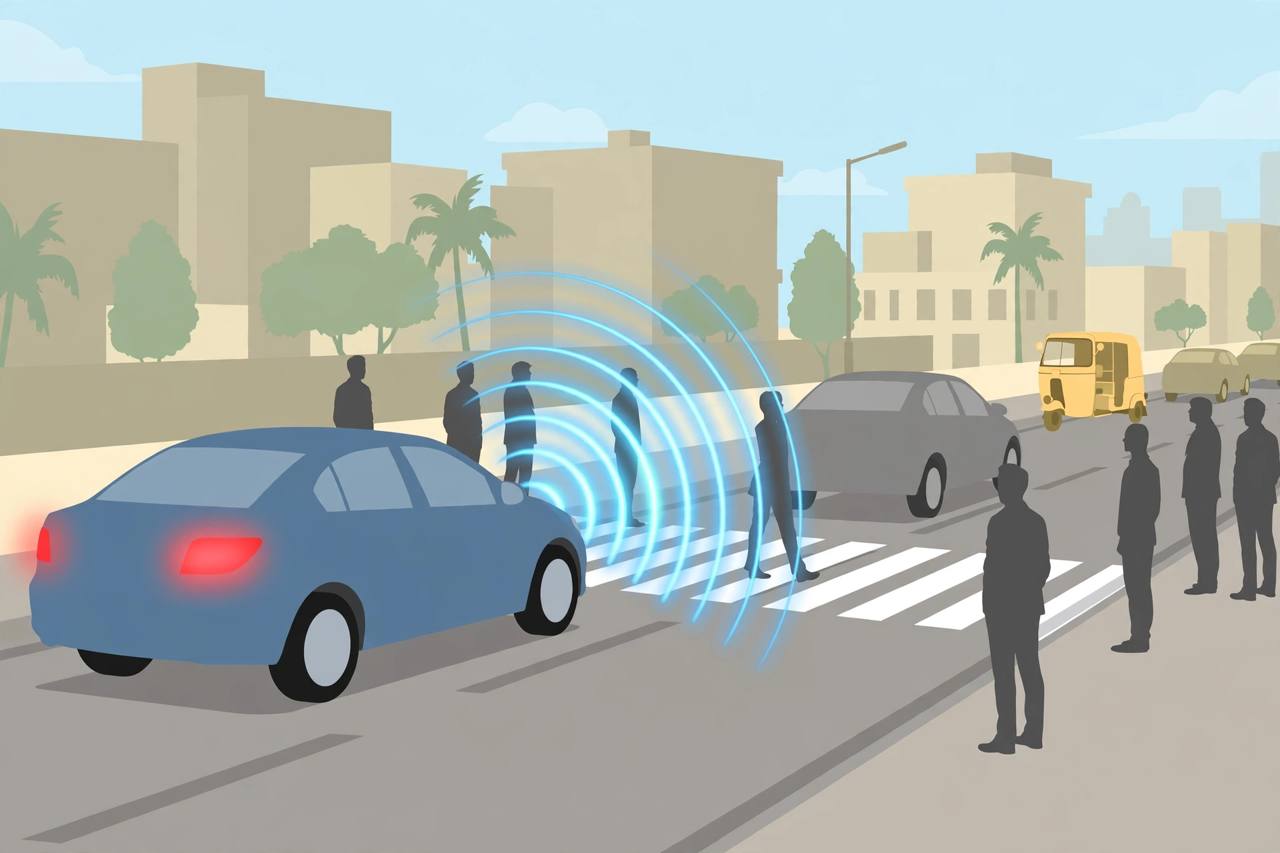
AEB uses a camera, a radar or both to watch the road ahead. If a crash looks likely, it warns the driver first and brakes on its own if the driver does not react. Under India's AEB standard, AIS-185, a car must completely avoid hitting a stopped car at up to 40 kmph and a child-sized pedestrian dummy crossing the road at up to 30 kmph, must warn the driver in at least two ways before braking, and cannot be switched off above 10 kmph, CarDekho reported. From October 1, 2028, cars that already offer AEB would have to pass the AIS-185 standard.
The braking proposal is part of a wider safety package. The ministry has also proposed mandatory event data recorders (EDRs) in vehicles from October 1, 2029 — a device that works like an aircraft's black box, capturing technical and safety data before, during and after a collision to help investigators understand how a crash happened, Industry Odisha reported. Steering, lane-keeping and drowsiness-alert features that carmakers already offer would have to meet Indian standards from October 2027, and automatic steering and emergency lane-keeping would become compulsory for taxis and other transport-registered cars from October 2029, according to CarDekho. Tighter braking standards for medium and heavy vehicles, including compulsory electronic stability control (ESC) on trucks, are proposed from October 1, 2027, Team-BHP reported.
Source: Industry Odisha
The push comes against a grim toll on India's roads. Government records show 5.13 lakh road accidents in 2025, Team-BHP reported, while road accident deaths rose 2.3% in 2024 to more than 177,000 — yaani roughly 485 lives lost every day — according to Industry Odisha. Road Transport and Highways Minister Nitin Gadkari has said the government is targeting a 50% reduction in road accidents and fatalities by 2030.
For buyers, nothing changes today: the draft asks existing owners to retrofit nothing, and entry-level cars — most of which do not offer AEB today — could get costlier if the rules are finalised, CarDekho noted. Suggestions on the draft can be emailed to the ministry during the 30-day feedback window, after which the government can approve, change or drop the rules.