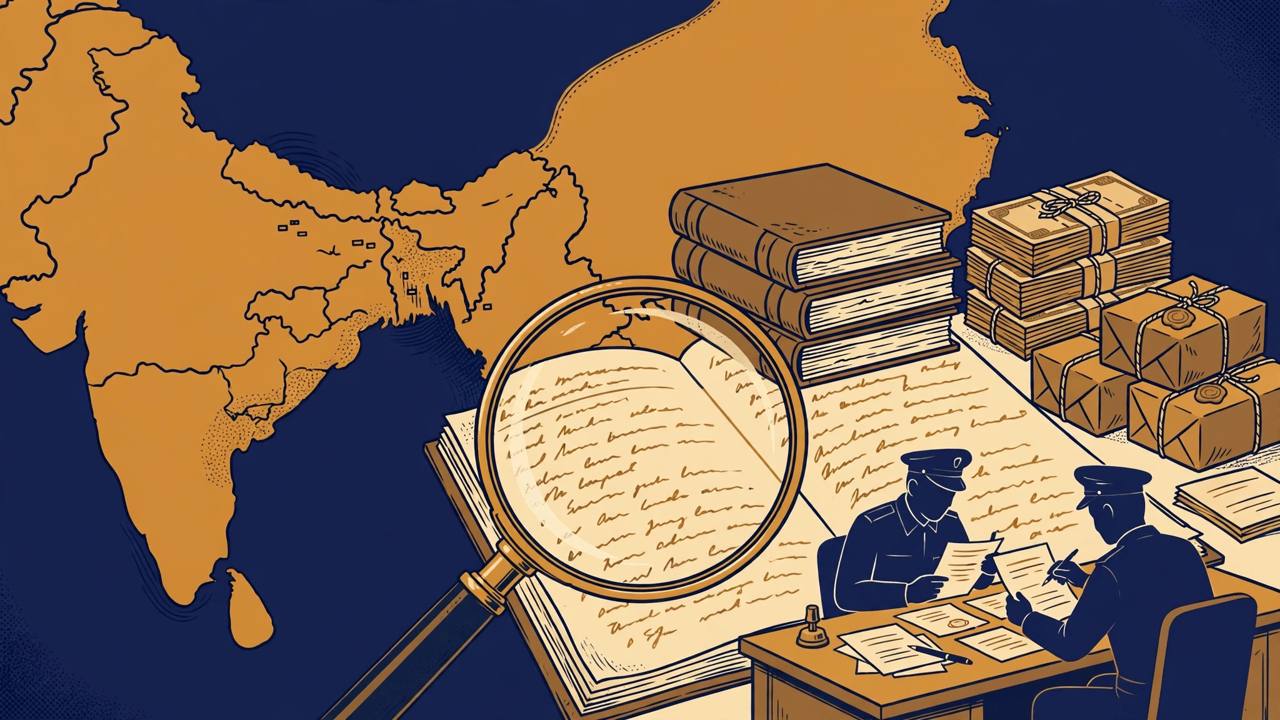
In a follow-up to the multi-agency Operation Trident raids of October 23 — in which 38 locations across Assam, Mizoram and Manipur were raided, 18 people were arrested and a Rs 100 crore hawala network was exposed — the Enforcement Directorate has arrested four more accused, including a Myanmar national, in the cross-border drug and money-laundering network, the agency said on Saturday. The ED's Aizawl Sub-Zonal Office formally arrested the four on Friday, October 30, on production warrants: Lalrammuana of Champhai district in Mizoram; Thangcintuang, also known as Chintuang and Tluanga, of Bulfek village in Myanmar; and Jabrul Haque and Abu Saleh Md Saif Uddin, both of Sribhumi district in Assam, formerly Karimganj. All four were already lodged in Central Jail, Aizawl, in Narcotics Control Bureau narcotics cases.
Source: PTI via Tripura Times
According to the ED, Thangcintuang was the Myanmar-based supplier of a 49.101 kg methamphetamine consignment seized on August 21, 2025, Lalrammuana was its main handler in India, and Jabrul Haque was its intended receiver at the Damchhera-Kanhmun border in Tripura. The agency alleged that Abu Saleh was the Karimganj-based operator whose account received Rs 11.44 crore, including Rs 6.67 crore in cash, which fed the Champhai hawala accounts. These are the agency's allegations and have not been proven in court. With these arrests, ten persons have now been arrested across the three connected cases, the ED said.
Source: The Hindu
The accused were produced before the Additional District and Sessions Judge-I, Aizawl, who, by orders issued on October 29, permitted their formal arrest and granted the ED custody for 48 hours for interrogation. The ED said Saif Uddin was arrested in the Krishiv Enterprise case, while the other three were arrested under Section 19 of the Prevention of Money Laundering Act in the Jabrul Haque case.
The arrests follow searches on October 23 in Manipur's Churachandpur district, where the ED says it seized cash books, registers and notebooks from the residence of Jengaihaniaung, also known as Taniang, detailing an alleged hawala business. According to the agency, the records show Indian rupees received in cash and bank accounts from across India being converted into Myanmar kyat at daily rates of about 42 to 48 kyat per rupee and paid out in Myanmar, with single-day entries of up to Rs 54.47 lakh, transfers through the Myanmar mobile wallet KPay, and conversion of US dollars as well.
The ED has further alleged a 'goods for drugs' method of payment: drug proceeds were allegedly used to buy everyday goods — including flour, edible oil, fuel, groceries and footwear — from suppliers across India, the goods were shipped into Myanmar through border towns, and GST invoices were raised on third parties so that the cross-border leg left no money trail. The agency said it has frozen 991 bank accounts linked to the Churachandpur network and alleged that transactions exceeding Rs 175 crore moved through the banking system in the Taniang case. The investigation is ongoing, and all the allegations remain to be tested in court.
Awaaz Punjab reported the original Operation Trident raids last week. Read the earlier report