Ladakh's first government medical college, approved in 2019, is finally moving towards opening in the 2027-28 academic year after the Union Health Ministry relaxed a key condition that had stalled hiring, Education Times reported.
Source: Education Times (The Times of India)
Under the earlier rule, recruitment could begin only after nearly 80 per cent of the college's infrastructure was complete. The ministry has now allowed the Ladakh administration to fill 103 sanctioned regular posts — faculty and support staff — in phases while construction continues, according to Careers360.
Source: Careers360
How the first batch will study
The permanent campus is being built at Stipuk Pharka in Leh and will take longer to finish. Until then, the college will run from temporary facilities: two newly built buildings have been identified, one for the academic block and one for the students' hostel.
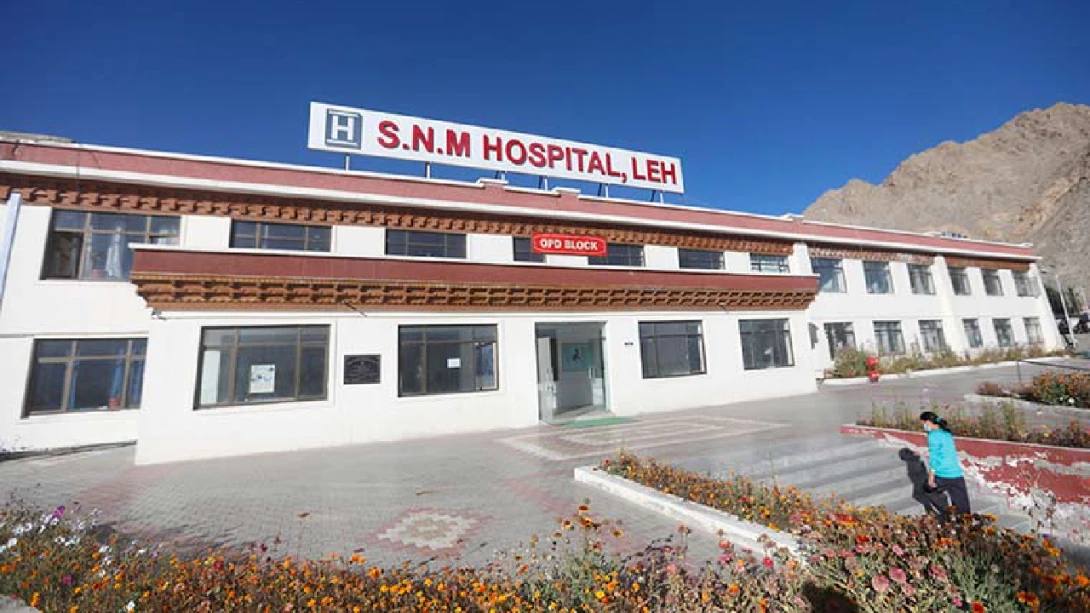
Clinical training for the first MBBS batch will take place at Leh's 200-bed Sonam Norboo Memorial (SNM) Hospital, which has around 60 experienced doctors, Education Times reported.
Source: Education Times (The Times of India)
A request from the Lieutenant Governor
The decision follows a July 13 letter from Lieutenant Governor V K Saxena to Union Health Minister J P Nadda seeking a one-time relaxation so preparations could begin while construction continues. The ministry conveyed its approval in a letter dated October 13, 2026, to Ladakh's Health and Medical Education Department, Careers360 reported. The 103 posts were sanctioned by the Department of Expenditure on November 27, 2024.
Source: Careers360
In March 2023, a parliamentary standing committee had noted that no substantial progress had been made on the college's infrastructure and had recommended removing administrative barriers and starting academic activity at an existing hospital instead of waiting for the permanent campus — the approach now being adopted.
Ladakh's students have so far had to leave the Union Territory to study medicine. A medical college at home is expected to widen access to medical education and, over time, strengthen healthcare in a region where geography and harsh weather make specialist care hard to reach.