PARIS/NEW DELHI: Three new sites from India have been added to the Tentative List of UNESCO's World Heritage Centre, the Permanent Delegation of India to UNESCO announced on October 20, in what it called an essential step toward formal nomination for World Heritage status, ANI reported.
The three sites are the Karst-mud-volcano Complex of Baratang and the Andaman Subduction Volcanoes in the Andaman and Nicobar Islands, and the Sirpur Cultural and Archaeological Landscape in Chhattisgarh, according to the delegation's press release. "Addition to the Tentative List is a prerequisite before any property may thereafter be nominated for inscription on the World Heritage List," the delegation stated, thanking the Archaeological Survey of India (ASI) for its work on the documentation.
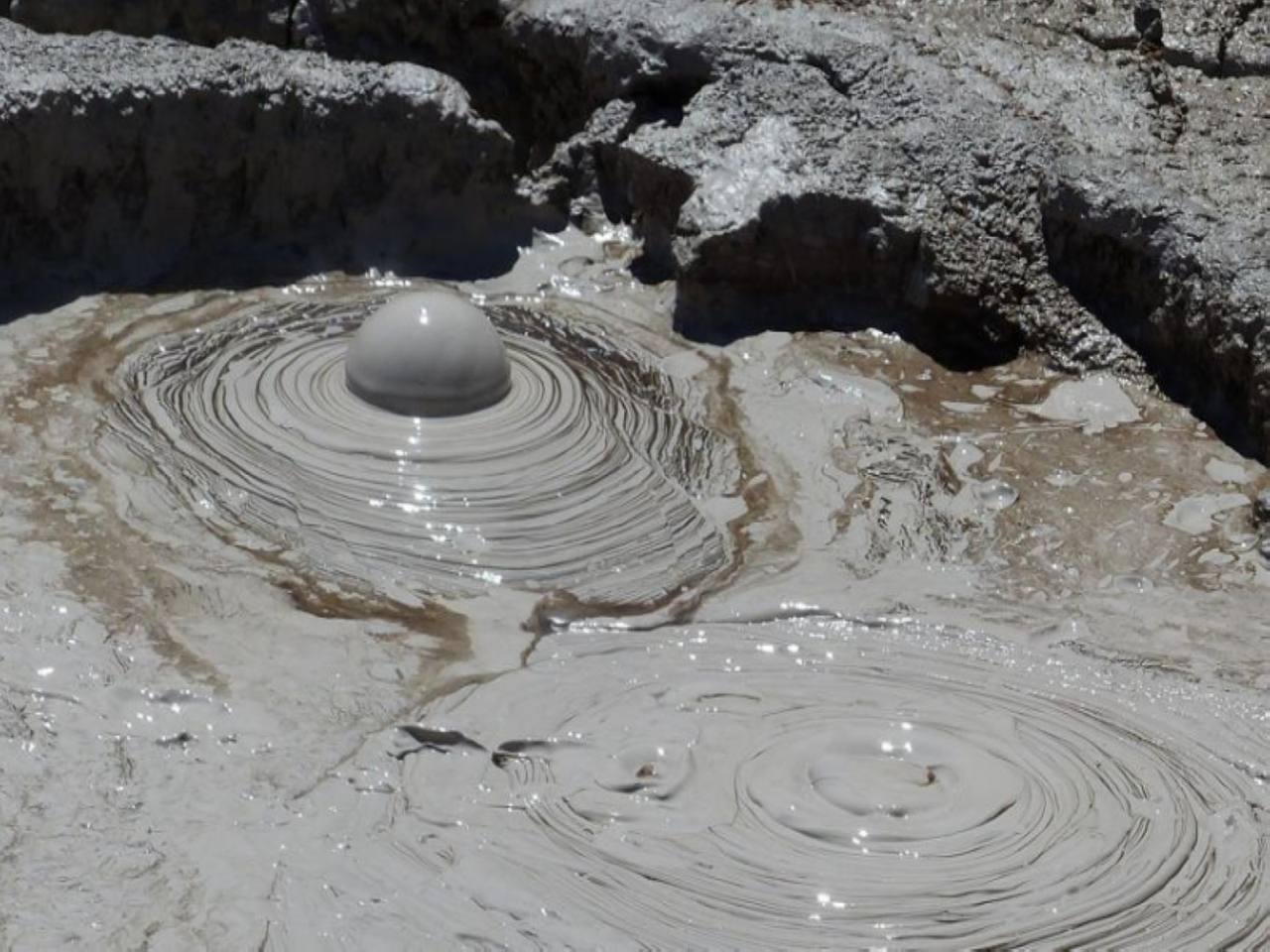
Baratang Island is a geological and ecological landscape distinguished by limestone caves, mud volcanoes and a well-preserved geological history, according to UNESCO. Its mud volcanoes — called "Jalki" by local people — emit cool slurries of mud, water and gases rather than magma, and erupted again in 2025 after 20 years of dormancy. The property sits within the Baratang Reserve Forest and Jarawa Tribal Reserve and includes the largest underground cave complex in the region.
The Andaman Subduction Volcanoes entry covers Narcondam and Barren Islands, described by UNESCO as the only Quaternary-period subduction volcanoes in the inner volcanic arc chain of the Burma-Andaman-Java complex. Barren Island, which has a 2-kilometre-wide caldera, was declared a Geoheritage site by the Geological Survey of India in 2025, while Narcondam is an Important Bird Area and Key Biodiversity Area. Only the landmasses of the two islands are proposed for listing.
Sirpur, in Mahasamund district on the eastern bank of the Mahanadi river about 78 kilometres from Raipur, was the capital of Dakshina Kosala under the Panduvanshi and later Somavamshi kings, with Hindu, Buddhist and Jain remains dating from the 5th to the 12th century CE, including the 7th-century brick Lakshmana Temple dedicated to Vishnu. UNESCO noted that Sirpur's combination of a riverine trade centre, a multi-faith religious landscape and an extensive archaeological urban ensemble in a single site remains distinctive. The ASI now has to prepare a detailed nomination dossier before any of the three sites can be formally nominated for the World Heritage List.
Sources: ANI; Permanent Delegation of India to UNESCO (India at UNESCO).