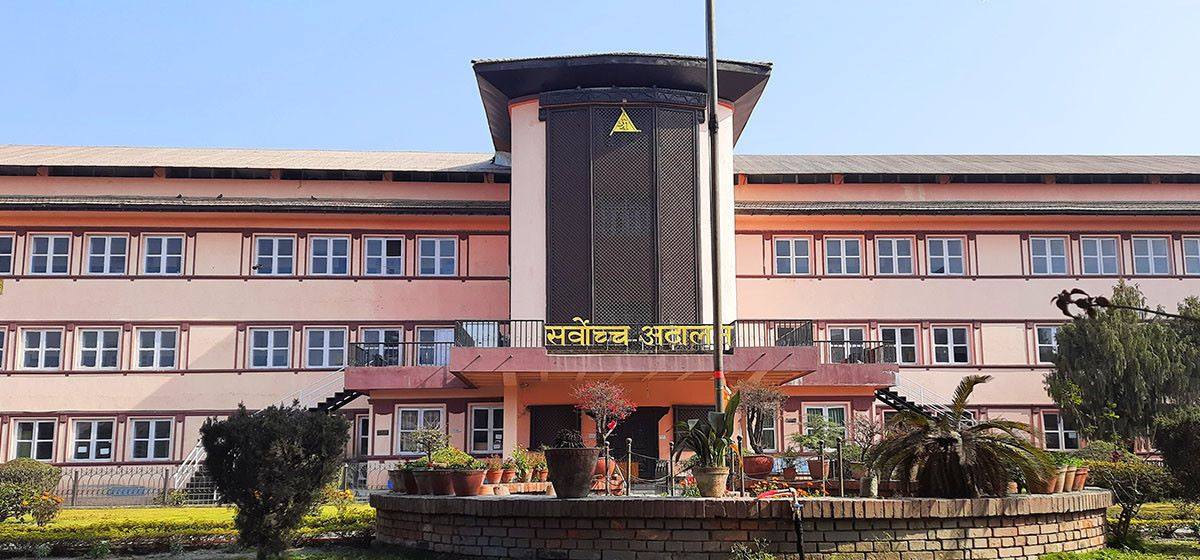
Nepal's Supreme Court, meeting in full court on Monday with all sitting justices present, called for an independent and impartial investigation into media reports linking the Chief Justice and other justices with alleged intermediary Inam Sapkota. The five-point statement urged the relevant authorities to investigate the matters reported in the media and make their findings public as soon as possible, according to The Farsight Nepal and Supreme Court spokesperson Dr Ashok Kumar Shrestha, quoted in Nepali media.
Source: The Farsight Nepal
The court reaffirmed its commitment to the Constitution, the rule of law and legal accountability, and said it would cooperate with investigations conducted in accordance with the law. It also urged media organisations not to publish reports that could mislead the public, prejudice individuals or obstruct the administration of justice before an investigation is completed, and asked judicial personnel across the country to continue their work without being distracted by the controversy.
How the controversy built up
The statement is the court's first collective institutional response, and it follows an earlier round of individual denials reported last week. The controversy intensified after Naya Patrika published details of WhatsApp exchanges between Justice Hari Prasad Phuyal and Sapkota concerning a habeas corpus petition filed by businessman Rohit Gupta. Phuyal acknowledged communicating with Sapkota and meeting him, but maintained that he had not compromised judicial propriety and said he was prepared to cooperate with any investigation. A separate set of documents circulated on social media purportedly detailing bank deposits drew in Chief Justice Manoj Kumar Sharma; the authenticity of those records has not been independently established, and Sharma has denied knowing or having any contact with Sapkota. Sapkota was arrested on September 27 and is being investigated over his alleged links with serving and former judges, senior security officials, lawmakers and government officials — all allegations that remain unproven.
Source: Kcha Khabar (Online Khabar English)
An earlier full-court meeting on October 30 discussed the justices' contacts with Sapkota and the allegations involving the Chief Justice, but reached no clear decision on forming an internal investigation committee. Monday's statement did not publicly identify a specific investigative body or announce a committee within the Supreme Court itself.
Parliament enters the picture
The issue has also moved into politics. The ruling Rastriya Swatantra Party's secretariat meeting on Saturday directed its parliamentary wing to initiate a process through Parliament to address the allegations, with impeachment among the options under consideration, RSP spokesperson Jagadish Kharel said. Under Article 101 of Nepal's Constitution, the Chief Justice and Supreme Court justices can face impeachment on grounds including serious violations of the Constitution or law and misconduct; a motion needs the support of at least one-fourth of House of Representatives members to be registered and a two-thirds majority to pass. The party has not yet formally initiated proceedings.
What is solid
- A full-court meeting of all sitting justices on Monday issued a five-point statement calling for an independent, impartial investigation into the media reports, with findings made public as soon as possible.
- Justice Hari Prasad Phuyal has acknowledged communicating with and meeting Inam Sapkota, while denying any compromise of judicial propriety.
- Chief Justice Manoj Kumar Sharma has denied knowing or having any contact with Sapkota.
What is only claimed
- The alleged links between justices and Sapkota, and the purported financial records circulated on social media, have not been independently established or proven.
- No investigative body has yet been publicly named, and no impeachment proceedings have been formally initiated.