California has reported 378 human cases of West Nile virus disease from 25 counties so far in 2026, and 23 of those patients have died, according to the California Department of Public Health's Arbovirus Surveillance Bulletin #28 for Week 41, dated October 16.
Source: California Dept. of Public Health (westnile.ca.gov)
The bulletin recorded 80 new human cases in a single week, in nine counties: Los Angeles (59), Orange (11), Stanislaus (3), Fresno (2), Glenn (1), Riverside (1), San Joaquin (1), Tulare (1) and Yolo (1).
Of the 378 patients, 321 — 85% — had neuroinvasive disease, the bulletin said. The median age of patients was 66 years and 254 patients (67%) were male. Symptom onset dates ranged from June 8 to October 4. A further 23 asymptomatic West Nile infections were reported from 11 counties and are not counted in the 378.
The season is far heavier than last year's. At this time in 2025, California had reported 60 human cases from 13 counties, 146 virus-positive dead birds and 2,666 positive mosquito pools. This year the totals are 734 positive dead birds and 4,005 positive mosquito pools from 29 counties, the bulletin said. By county, Los Angeles has the most human cases at 191, followed by Orange with 47 — together about 63% of the state total.
California also accounts for just over a quarter of the national picture. Outbreak News Today, reporting the same state figures on October 21, said the 378 cases are 25.7% of the 1,471 West Nile cases reported across the United States, and listed the 23 deaths by jurisdiction: Los Angeles (6), Orange (5), Butte (3), Glenn (2), Sacramento (2), Yolo (2), Kings (1), Stanislaus (1) and Tuolumne (1).
Source: Outbreak News Today
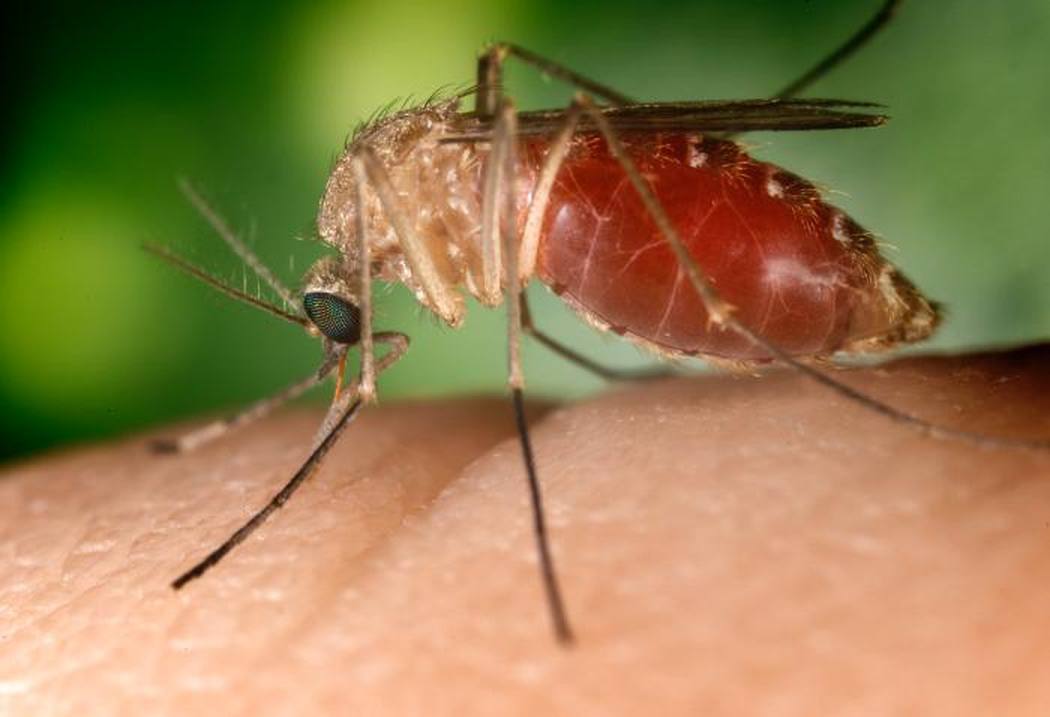
West Nile virus spreads to people through the bite of an infected Culex mosquito, which picks up the virus from birds. Health officials say eliminating puddles and small containers of standing water around homes can greatly reduce this mosquito's population.