Health officials in California, Hawaii, Oregon and Washington are pressing the US Centers for Disease Control and Prevention to reverse its refusal to validate a rapid, high-volume test for measles, warning the lack of such a test will make it harder to respond if a large outbreak strikes.
California and Washington first asked the CDC in May to validate a new way of testing for measles that can process large numbers of samples quickly. After a two-month wait, the agency denied the request, citing other competing priorities, according to an October 22 letter from the West Coast Health Alliance to CDC Director Erica Schwartz.
The alliance asks Schwartz to reconsider, to publish a validated high-throughput measles assay, and to create testing protocols for other high-priority pathogens. Such a test, the officials wrote, would dramatically strengthen laboratories' ability to respond quickly to outbreaks and help prepare for pathogens such as Ebola or hantavirus.
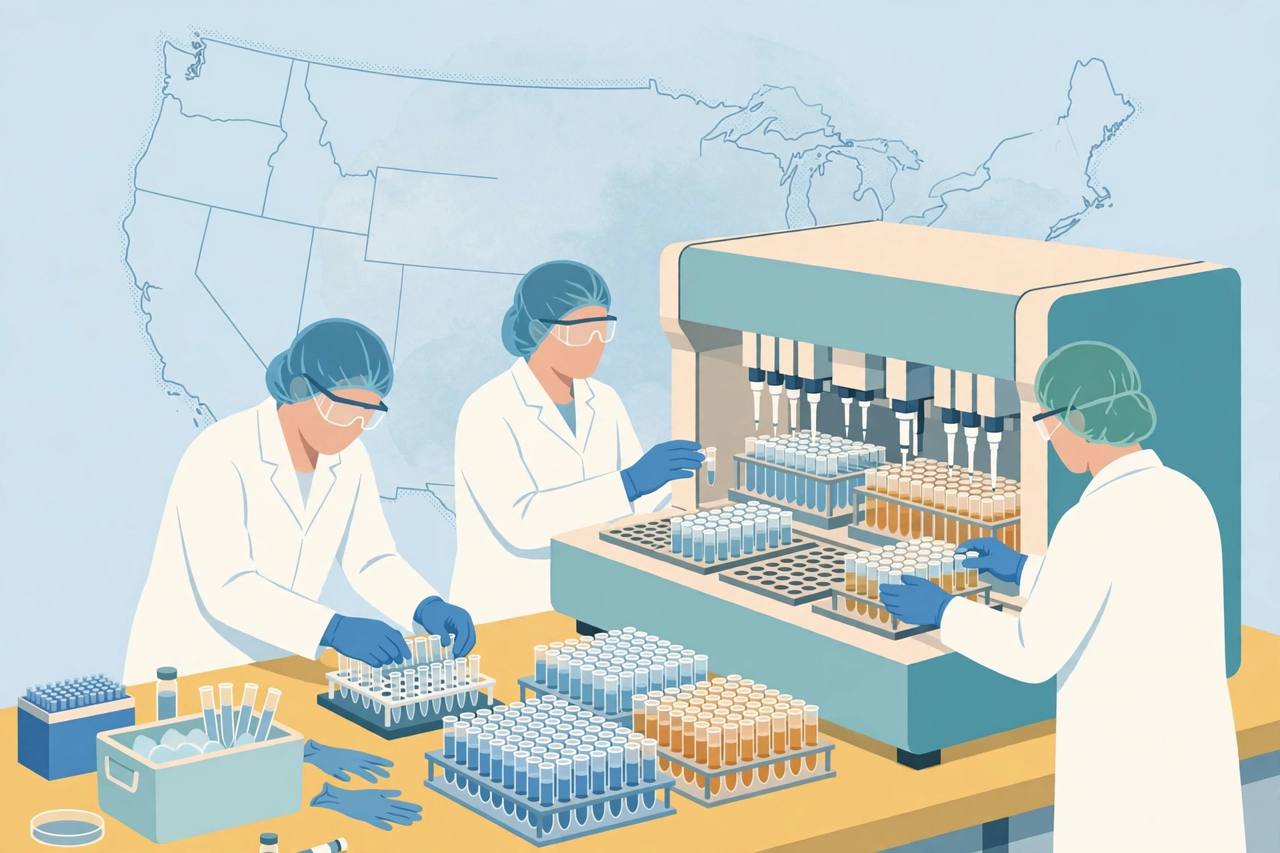
Right now, public health laboratories rely on lower-volume individual PCR tests for measles. During the Covid-19 pandemic many labs bought high-throughput equipment such as the Hologic Panther Fusion platform, which can process up to 500 tests in eight hours — but no high-throughput measles test has been published or validated by the CDC.
A spokesperson for the Department of Health and Human Services, Emily Hilliard, said the CDC was ensuring state and local departments had support to strengthen measles detection and outbreak response and was prioritising emerging technologies. She did not answer questions about whether the CDC plans to validate a high-throughput measles assay.