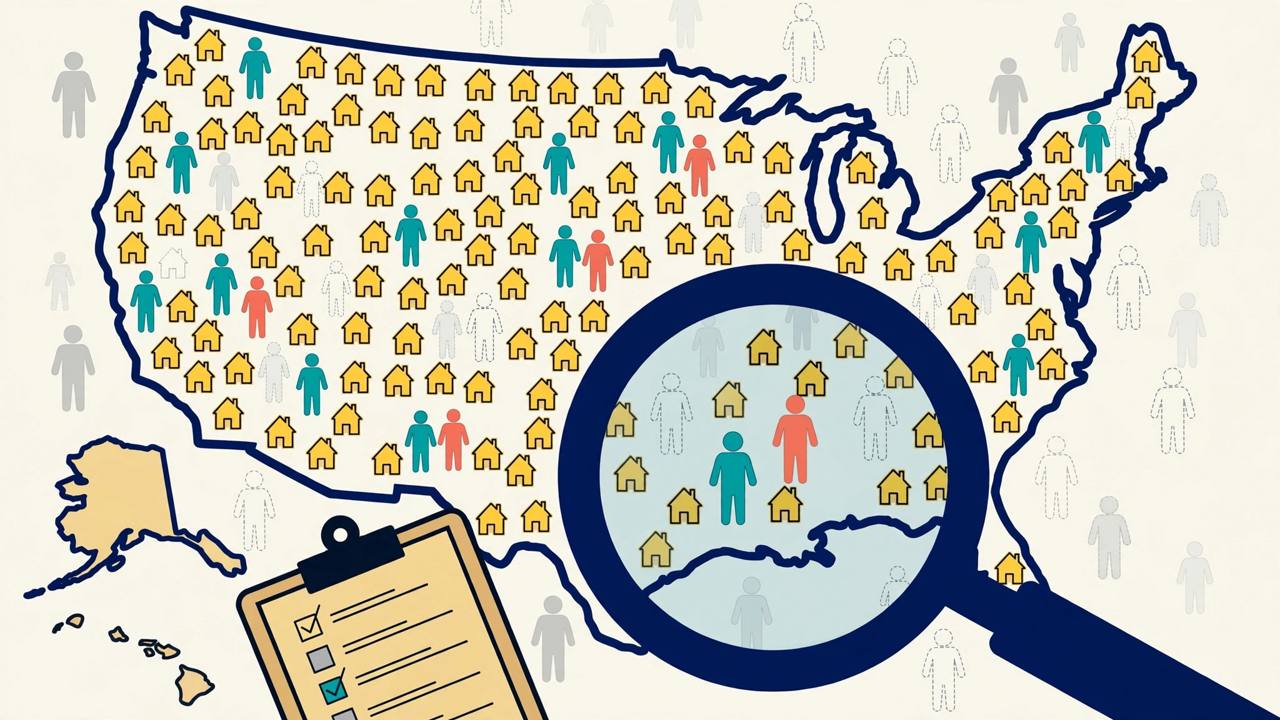
The US Census Bureau is weighing the biggest change to the decennial count in modern history: under a proposed rule published in the Federal Register on September 10, 2026 (91 FR 57524, docket USBC-2026-0628), only US citizens and lawful permanent residents would be counted in the population figures used to apportion seats in the House of Representatives, according to the rule text summarised by the National Association of Counties and Bloomberg Government reporting.
Source: National Association of Counties
Everyone else living in the country would be excluded from that apportionment count — undocumented immigrants, work-visa and student-visa holders, refugees, asylum applicants, and people with Temporary Protected Status or Deferred Action for Childhood Arrivals, according to the counties' association summary. Until now, the census has counted all residents regardless of immigration status.
Source: National Association of Counties
What else would change
The proposal redefines 'usual residence' as the place where a person lawfully spent the greatest number of days during a new census enumeration period running January 3 to April 1, with residence checked against tax records and other federal agency data, according to the rule summaries. It would also remove race and ethnicity questions from the census questionnaire — a change researchers told Bloomberg Government could create faulty data for businesses, federal programs and local governments that rely on the statistics.
Source: Bloomberg Government News
The comment period was originally 30 days and was extended to November 2, 2026 — the day before the midterm elections. A New York Law School CityLand update on October 19 reported 21,797 comments already posted on regulations.gov under the docket, and noted that census advocates strongly oppose the changes and had sought the extension. In New York, Governor Kathy Hochul has announced plans for a state census commission and expanded outreach to ensure residents are counted, according to the South Shore Press.
Source: CityLand / New York Law School
County governments are watching closely because census numbers do far more than set congressional seats: they guide a decade of formula funding for housing, justice and transport grants, the National Association of Counties notes. In Florida, Hillsborough County planners told the St. Pete-Clearwater Sun that if people who live in a community are left out of the count, federal data will show a less complete picture of local need while counties still serve the actual population.
Source: St. Pete-Clearwater Sun
What is solid
- The proposed rule was published in the Federal Register on September 10, 2026, under docket USBC-2026-0628, and public comments close November 2, 2026 after an extension.
- Under the proposal, citizens and lawful permanent residents would count for apportionment; other noncitizen statuses, including visa holders and TPS holders, would not, according to the rule summaries by NACo and CityLand.
- The proposal is not final — the Census Bureau must review public submissions before deciding whether to issue a final rule.
What is only claimed
- Supporters such as Project Civica argue the count should cover only citizens and legal residents for representation; census advocates and the Leadership Conference argue the Constitution requires counting every resident and that exclusion would distort funding and representation. Both positions are claims in an open policy fight, and court challenges are widely expected if a final rule is issued.
For Punjabi and Indian diaspora readers, the practical line in the proposal is green-card status: lawful permanent residents would still count toward their state's seats, while family members on work or student visas, or waiting in temporary statuses, would not count for apportionment even though they live, work and pay taxes in the same communities. Anyone can submit a comment on regulations.gov under docket USBC-2026-0628 before November 2.