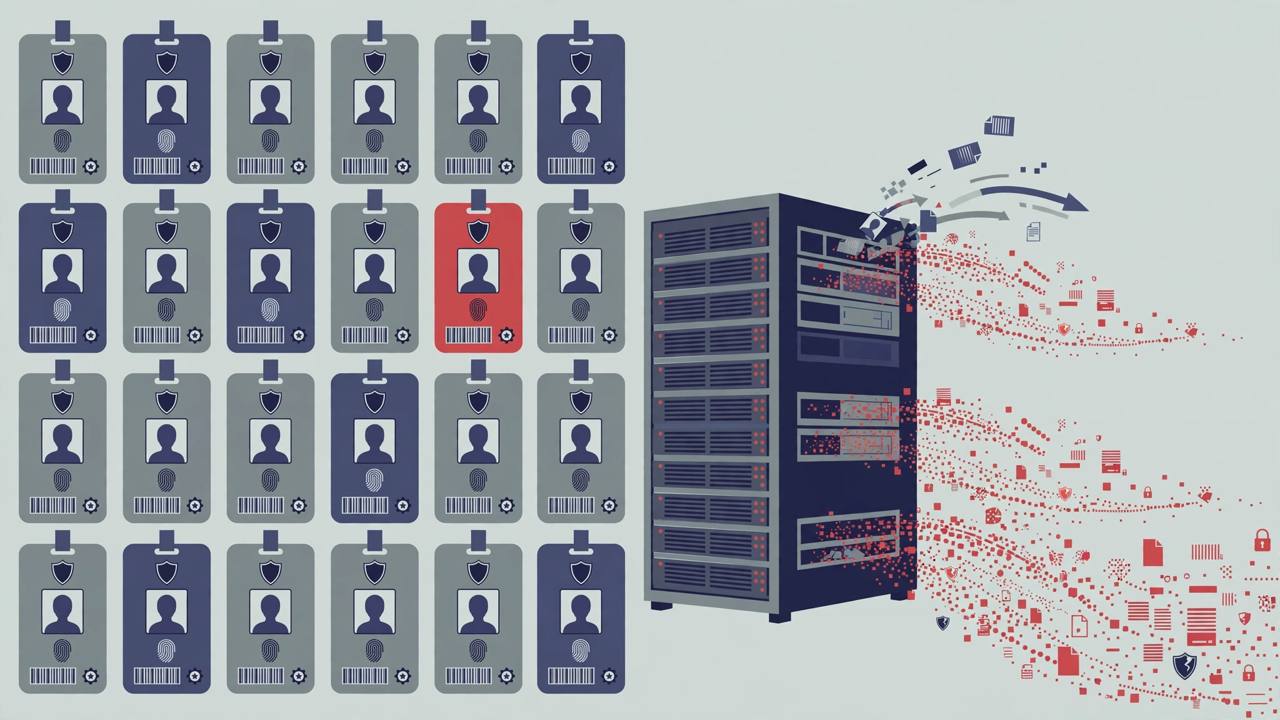
The leak website Distributed Denial of Secrets said on Wednesday, October 28, that it has released data on more than 40,000 employees of the U.S. Department of Homeland Security (DHS) — including officials working in sensitive fields such as surveillance and human intelligence — in a disclosure the department says it is treating as a potential breach.
Source: Reuters — leak website releases data on DHS employees (Oct 28, 2026)
Distributed Denial of Secrets, a nonprofit data-transparency group, said the material draws on information obtained by an entity calling itself the “Department of Peace.” The data includes names, phone numbers and email addresses of employees from Immigration and Customs Enforcement (ICE), Customs and Border Protection (CBP), Homeland Security Investigations (HSI), the Cybersecurity and Infrastructure Security Agency (CISA) and other DHS component agencies, Reuters reported.
What makes this leak more sensitive than an ordinary staff directory is the assignment detail inside it. The data also included job titles and email groups which, among other details, showed which agents were assigned to special operations, surveillance jobs, computer forensics and undercover work — the categories of staff whose identities agencies normally work hardest to protect.
DHS said in a statement it was “aware of a potential breach and is actively working to address the situation swiftly and effectively.” The agency said it was working to ensure its employees were properly protected and would update the public “when more information is available.”
How much of the data checks out
Reuters said it could not verify the whole dataset. It matched six named employees to credit bureau and breach records, and three employees it contacted confirmed their phone numbers and other details; one of them said it was the first they had heard of a breach. TechCrunch, which also examined the release, reported the data “appears authentic” and put its scale at roughly one in five of DHS's approximately 220,000 workers — about 21,000 at CBP, about 10,000 at ICE and its Homeland Security Investigations unit, just under 1,000 at CISA, and thousands more at DHS headquarters, U.S. Citizenship and Immigration Services and the Federal Protective Service. Neither outlet reported home addresses or Social Security numbers in the data.
The third big U.S. government leak in a month
The disclosure is the third major government data leak to make headlines in the past month, Reuters noted. In September, the hacking group ShinyHunters claimed the theft of a massive trove of data from the Federal Bureau of Investigation, including sensitive job details and medical information from thousands of bureau employees. Last week, the Defense Department was hit with a class-action lawsuit following a breach that exposed data on millions of current and former military personnel.
The pattern matters because DHS is not a back-office agency for our readers: ICE and CBP are the two agencies Punjabi and other immigrant families in the United States deal with most directly, in enforcement actions, border crossings and immigration cases. A leak that maps which officers hold surveillance, special-operations and undercover roles raises obvious safety questions for those officers — and it also underlines how much personal data on ordinary people and government staff alike now circulates outside official systems.
What happens next
DHS has not said how the data was obtained, whether its own systems were hacked, or when its promised public update will come. The open questions are whether the department confirms the dataset's authenticity, what protection it offers the named employees — particularly those in undercover and surveillance roles — and whether investigators can identify the “Department of Peace” source behind the release. Until DHS says more, the verified position is the one in its statement: a potential breach, an active response, and no confirmed account yet of how more than 40,000 staff records left official hands.