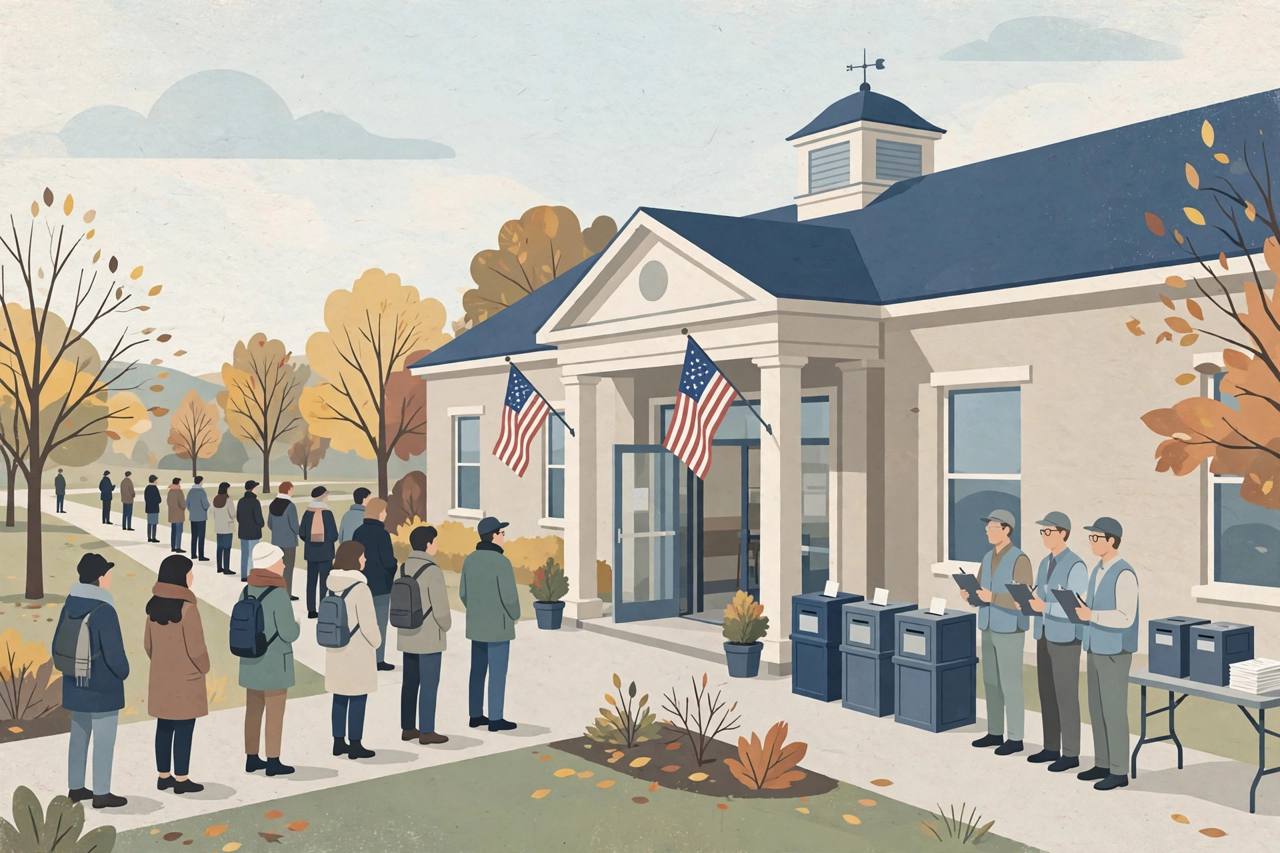
The U.S. Department of Justice's Civil Rights Division sent notices yesterday to seven Michigan municipalities notifying them that DOJ monitors will be present at their polling places on Election Day, the Michigan Attorney General's office said in an October 22 release. The letters went to Detroit, East Lansing, Flint, Grand Rapids, Hamtramck, Lansing and Warren.
Source: Michigan Attorney General
“Michigan elections are safe and secure,” Governor Gretchen Whitmer said in the release. “The presence of federal election monitors is an expected part of the process, as it has been for years.” Attorney General Dana Nessel said monitors are a standard part of the process and that her office “stands ready to hold accountable those who attempt to unlawfully interfere with or intimidate Michigan voters or election workers, regardless of who they may be.”
Source: Michigan Attorney General
DOJ monitors are typically federal attorneys and other DOJ staff. Like any other poll watcher, they cannot speak with voters, touch election equipment or ballots, or interfere with the administration of the election, the state release says.
Deputy Secretary of State Aghogho Edevbie said Michigan has hosted federal election monitors in past elections and that state and local officials have been in regular contact with DOJ about its plans. The release notes federal monitors were present in Michigan for several past federal elections, including 2024, and in this year's August primary.
Source: Michigan Attorney General
An explainer published by the League of Women Voters, reporting ClickOnDetroit's coverage of the earlier primary deployment, describes the monitors' role the same way: they observe polling-place procedures and ensure compliance with federal voting rights laws, and they do not administer elections, handle ballots or interfere with voters.
Source: League of Women Voters / ClickOnDetroit
What is solid
- Michigan's Attorney General's office confirms DOJ Civil Rights Division notices to seven named municipalities for Election Day monitors.
- State leaders Nessel, Whitmer and Edevbie issued the statements quoted in the October 22 release.
- The release states monitors cannot speak with voters, touch equipment or ballots, or interfere with election administration.
What is only claimed
- The October 22 release does not say how many monitors will be deployed in each city.