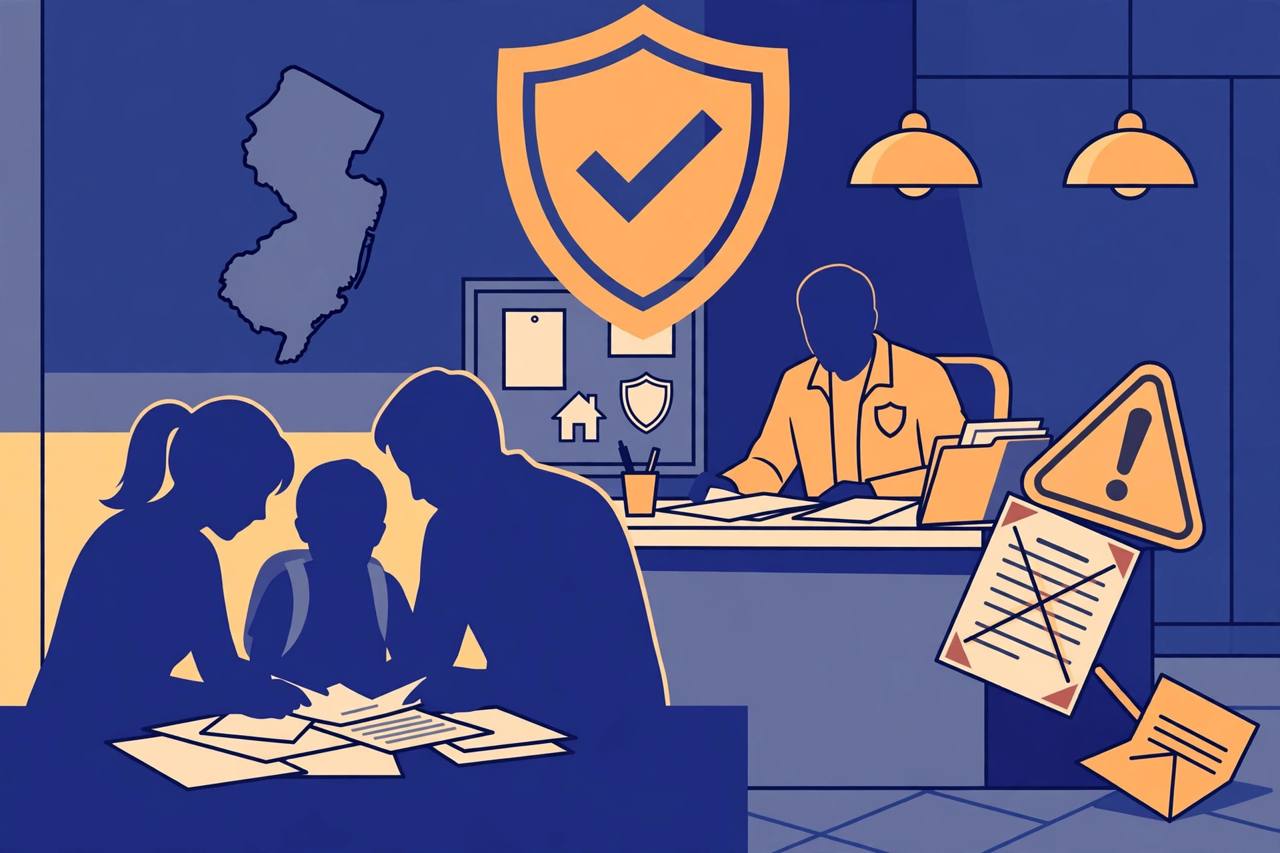
TRENTON, New Jersey — The New Jersey Department of Human Services and the Office of the Attorney General announced on October 21 that they are partnering to raise awareness of scams targeting immigrant communities. The Department's Office of New Americans and the Attorney General's Division of Consumer Affairs have published guidance online explaining how to find safe legal assistance, recognise potential immigration scams, and file a complaint if someone has been victimised.
Source: New Jersey Office of the Attorney General
The state reminded residents that only attorneys and accredited representatives authorised by U.S. Citizenship and Immigration Services (USCIS) are allowed to prepare legal documents such as immigration forms, give advice on legal matters, or represent clients in a legal proceeding. An accredited representative must have training and authorisation from the U.S. government, and residents can verify a person or organisation through the federal government's listing of accredited representatives.
Source: State of New Jersey — Avoid Immigration Services Fraud
The 'notario' warning
The guidance carries a specific warning about the word 'notario.' In many Spanish-speaking countries, a Notario Público is a trained and licensed legal professional. In the United States, however, a 'notario' is generally only a public notary and is not the same as a lawyer or an authorised immigration representative. Officials said unscrupulous individuals may pose as 'immigration consultants,' 'notarios,' or even attorneys, falsely claiming they can provide immigration assistance, often targeting immigrants with limited English proficiency.
According to the state, fraudsters may charge excessive fees, provide incorrect or fraudulent legal advice, or mishandle personal information. The consequences for misled clients can be severe, including identity theft, financial fraud, immigration detention, or even deportation.
Official U.S. government websites end in .gov. USCIS immigration forms are always free. Government agencies will never demand payment by cash, gift card, cryptocurrency, wire transfer, text message or social media — anyone demanding payment that way may be committing fraud.
"Having access to accurate and reliable information is essential to empowering immigrant communities to understand their rights, make informed choices, and advocate for themselves and their families," said Human Services Commissioner Stephen Cha. Attorney General Jennifer Davenport said: "At a time when immigrant families are facing tremendous uncertainty, access to trustworthy information and qualified legal assistance is more important than ever. No one should be allowed to exploit that uncertainty for financial gain."
How to protect yourself — and how to report
The state advises residents to get a referral from someone they trust, ask for a written agreement explaining services and fees, get receipts for all payments and copies of everything they sign, never sign forms they do not understand or blank forms, and keep their original documents, providing only copies. To report an immigration scam, residents can contact the New Jersey Division of Consumer Affairs at 1-800-242-5846 or through njconsumeraffairs.gov. The Division takes reports from all people regardless of citizenship or immigration status, and its employees do not ask about citizenship or immigration status.