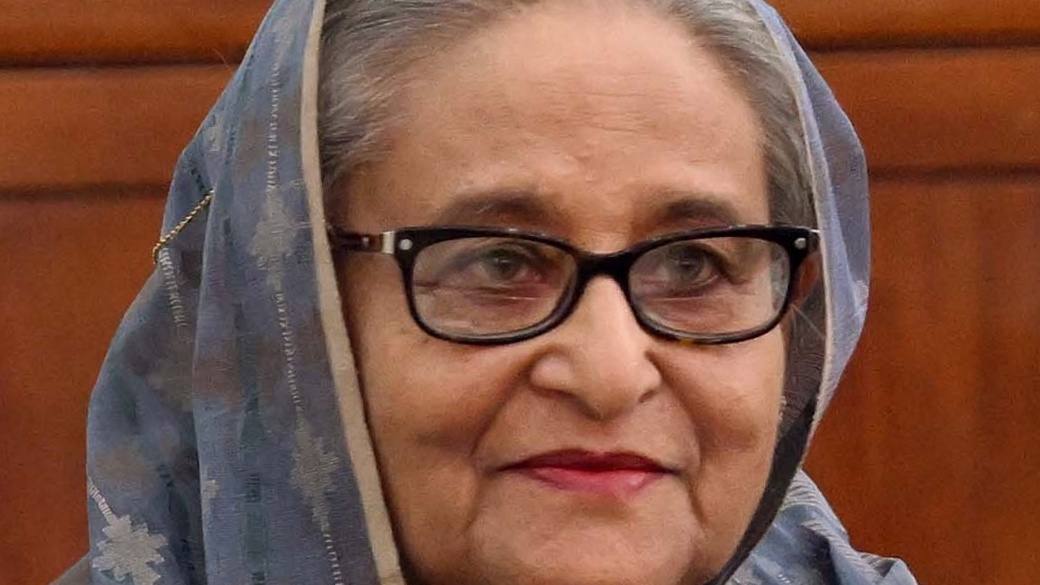
NEW DELHI — Ousted Bangladeshi prime minister Sheikh Hasina requested on Monday a new passport and identity card so she can return from self-imposed exile in India, according to a letter seen by Reuters, her first such communication since fleeing in 2024. The request marks the clearest step by Hasina to act on her plan to return to Bangladesh in December, more than two years after a deadly uprising ended her long rule, raising the prospect of fresh political and legal tensions in a country where her party, the Awami League, is now banned.
Source: Reuters, Nov 9 2026
This is the follow-up to Awaaz Punjab's November 5 report, in which Hasina vowed to return to Bangladesh in December and Dhaka answered that she would be brought back only through extradition. Monday's letter is the first concrete legal step behind that vow. Read: Hasina vows December return — Dhaka says extradition only
Her lawyers at London-based Matrix Chambers wrote to Preeti Rahman, acting high commissioner at Bangladesh's embassy in Delhi. 'In view of the reported revocation of her existing Bangladeshi passport and National Identity Card (NID) by the Interim Government and other authorities, I respectfully request that you take the necessary steps to issue a new Bangladeshi passport and National Identity Card for our client,' the letter said. It asked for the applications to be processed 'expeditiously', on the basis of Hasina's Bangladeshi nationality and in accordance with 'obligations arising under international human rights instruments'.
Source: Reuters, Nov 9 2026; The Hindu BusinessLine, Nov 9 2026
Hasina has told Reuters she plans to return to surrender before a court, and her aides said on Monday the date would be announced once various formalities were completed. Her aide Abu Obaidha Arin told the Associated Press the passport request was a significant step toward her homecoming and that she remains determined to return by December — a commitment she also made in a recent email interview with AP, in which she said she would come back regardless of the risks.
Source: Reuters, Nov 9 2026; Associated Press via Policy Wire, Nov 9 2026
A death sentence waiting at home
What awaits her in Dhaka is extraordinary. Bangladesh's war-crimes court sentenced Hasina to death in November last year, in her absence, for ordering a deadly crackdown on the student-led uprising that toppled her; she has denied the charges from exile. She fled to India with military assistance on August 5, 2024, after protests ended roughly 15 years of her rule, and her Awami League — once the country's largest party — has since been banned. A voluntary return to surrender would put a former prime minister under a death sentence directly before the courts of the government that replaced her, in a trial process her supporters call political and her accusers call long-delayed justice; those characterisations are the two sides' own, and both are reported here as positions, not findings.
Source: Reuters, Nov 9 2026
Dhaka's position has not moved. Bangladeshi officials have previously dismissed the idea that Hasina needs new travel documents, arguing her return should occur through formal extradition rather than voluntary travel, and on Thursday junior foreign minister Humaiun Kobir told reporters in Dhaka that Bangladesh expects Hasina to be handed over under the existing extradition treaty with India — a demand New Delhi has so far refused to comply with. The Bangladeshi government did not immediately provide a statement on the new passport request, and there was no immediate word from India's foreign ministry on whether Delhi would let her travel, block her travel, or revisit the extradition demand.
Source: Associated Press via Policy Wire, Nov 9 2026; Reuters, Nov 9 2026
What is solid
- Hasina's lawyers at Matrix Chambers wrote to acting high commissioner Preeti Rahman at Bangladesh's embassy in Delhi requesting a new passport and national identity card, citing the reported revocation of her existing documents — the letter was seen and quoted by Reuters and carried by The Hindu BusinessLine.
- Hasina says she intends to return in December and surrender before a court; her aide Abu Obaidha Arin confirmed the step to the Associated Press.
- Dhaka's stated position is that her return should come through the India–Bangladesh extradition treaty, which India has not complied with; Bangladesh's government had not commented on the passport letter itself as of Monday's reports.
What is only claimed
- Whether the embassy in Delhi can or will issue documents to a person under a Bangladeshi death sentence is untested — the request rests on her lawyers' reading of Bangladeshi nationality law and international human rights instruments, which Dhaka has not accepted.
- Characterisations of her prospective trial — 'political' to her supporters, 'justice' to her accusers — are the two camps' positions, not established fact; the death sentence itself was delivered in her absence and she denies the charges.
What happens next
Three decisions now sit with three capitals. In Delhi, Bangladesh's own embassy must answer its former prime minister's letter — issuing her a passport would hand her the papers to fly home on her own terms; refusing would push the matter back into the courts and the press. In New Delhi, India's government must decide whether to let her board a plane, stop her, or reopen the extradition file it has so far declined to act on — a choice with direct consequences for India–Bangladesh relations. And in Dhaka, the interim authorities must prepare for the possibility that the woman they sentenced to death in her absence arrives voluntarily to surrender, turning a closed verdict into a live trial watched across South Asia. Her aides say the December date will be announced once the formalities are done; the passport letter is the strongest evidence yet that the formalities are, in fact, being done.