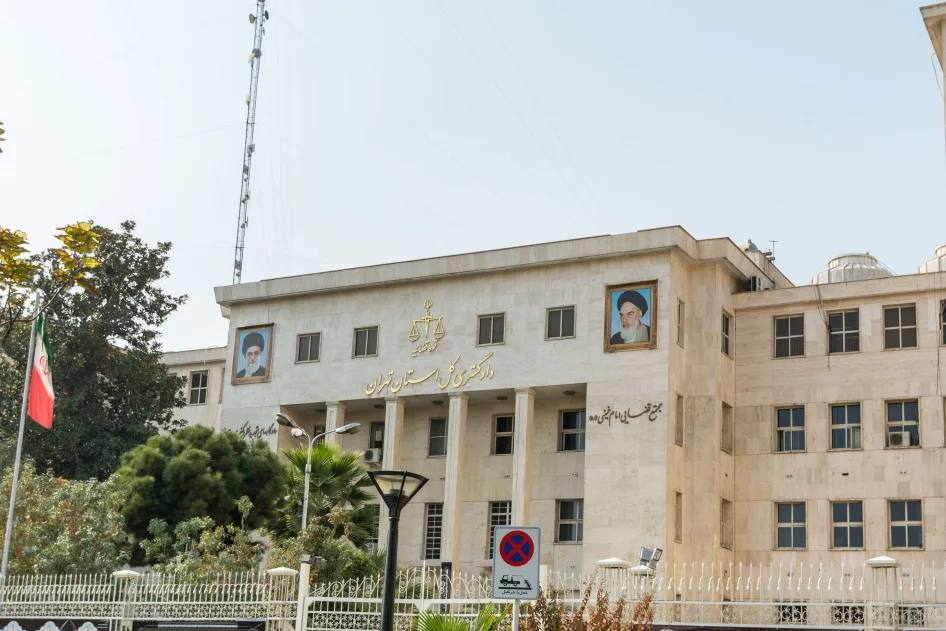
Iranian courts have demanded that the United States pay $290 billion in damages, a judiciary official said on Monday, saying the rulings cover American actions going back decades — long before the current war. "We have secured court rulings in domestic courts awarding $290 billion in damages against the Americans," Hassan Abdolianpour, head of the judiciary's centre for lawyers, said, according to Iranian state television. ($290 billion — yaani 29,000 crore dollar.)
Source: AFP
What the rulings cover
According to state television, the damages cover US actions stretching back decades, far before the war that began on February 28, when the United States and Israel launched a wave of strikes that killed Iran's supreme leader, Ayatollah Ali Khamenei. Abdolianpour announced the rulings at a ceremony in Tehran, saying the compensation judgments had been secured through Iran's domestic courts.
Source: AFP
Iranian courts had previously issued judgments against the United States worth about $40 billion, including a case involving patients with epidermolysis bullosa, a rare skin condition. In that case several tankers and bulk carriers were confiscated, and this year the total value of the claims passed $290 billion, according to reports of Abdolianpour's remarks. He said several US-owned vessels had been detained and part of the awarded compensation would be paid at their expense.
Source: Topwar
Tehran is also pursuing cases abroad
Iran has also initiated legal action in courts in the United States and four European countries over alleged "war crimes" committed during US and Israeli military operations against the country, Vice President for Legal Affairs Majid Ansari said, according to reports. The two tracks — domestic rulings in Tehran and cases filed abroad — are part of the same legal campaign, but neither has yet produced a payment from Washington.
Source: MENAFN
The war behind the claim
The demand comes as the US–Iran war enters its ninth month. The United States has maintained a naval blockade of Iranian ports, and Tehran has vowed to use all available means to counter it. On Sunday, President Donald Trump told Fox News he was inclined to order fresh military strikes against Iran after the New Year if negotiations fail to produce an agreement, while indirect talks over a ceasefire framework continue, with the Strait of Hormuz and enriched uranium among the unresolved terms.
Source: OilPrice
Oil markets reflected the uncertainty on Monday: Brent crude futures fell $1.62, or 1.75 percent, to $90.95 a barrel by 1125 GMT, as increased supplies from the Middle East offset unease about continued shipping and refinery attacks in the region.
Source: AFP
What it means for workers in the Gulf
The stakes reach far beyond Tehran and Washington. Lakhs of Punjabi and Indian workers live and work in the Gulf states, and the war has already disrupted shipping through the Strait of Hormuz, pushed oil prices sharply higher at times, and put jobs and remittances under strain. Any escalation around the blockade — or any breakthrough in the talks — will be felt first by the workers and families who depend on Gulf wages.
What happens next
There was no immediate public response from Washington to the $290 billion demand, and no indication of how Tehran expects to enforce rulings issued by its own domestic courts beyond the vessels it says it has already detained. For now the claim stands as another pressure point in a war in which law, oil and the blockade are all being used as weapons — while the talks meant to end it remain stuck.