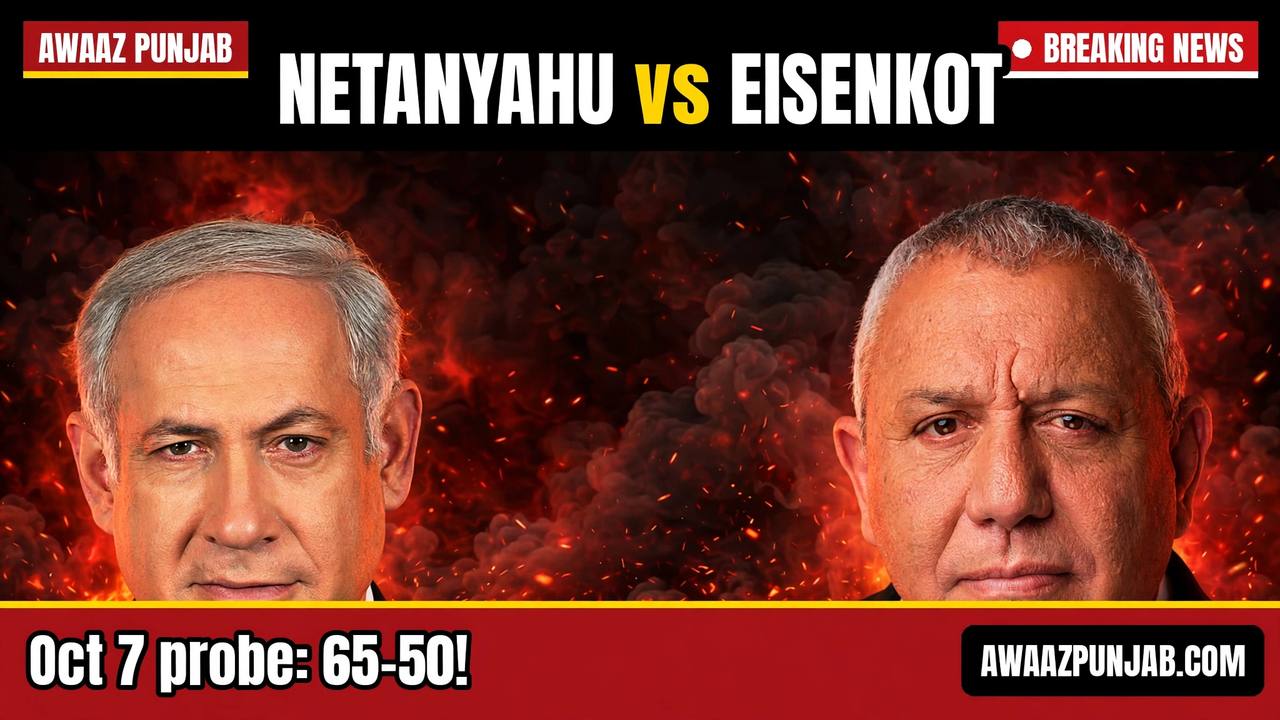
Israel’s opposition-run parliament gave initial approval on Wednesday to an independent investigation into the October 7, 2023 Hamas attack, voting 65-50 to advance a bill establishing a state commission of inquiry — a probe Prime Minister Benjamin Netanyahu has long opposed.
Source: Reuters
Wednesday’s vote was the first of four needed to pass the law. The bill, sponsored by Yashar lawmaker Orit Farkash-Hacohen, would set up a five-member commission to examine the failures surrounding the attack and the war that followed, covering the period from the end of the 2014 Gaza war through the return of the remains of the last hostage in January 2026. It must still pass through committee and three further readings before it becomes law.
Who voted for it
Gadi Eisenkot’s bloc of Jewish-led opposition parties was joined by parties representing the Arab minority to pass the bill. Some 65 lawmakers voted in favour, while 50 voted against. The bill would require the commission to publish an interim report within a year of its establishment, and seeks an initial NIS 7 million — yaani 70 lakh shekel — for its operations.
Netanyahu opposes an independent probe
Netanyahu opposes an independent investigation and has instead demanded a government-empowered inquiry that would let parliament members pick the panel members and give the cabinet the power to set its mandate. The probe was promised by rivals trying to unseat him.
Term limits too
In the same session, parliament also voted in favour of a bill imposing term limits on prime ministers — capping a prime minister’s tenure at eight consecutive years — and restricting them from serving while under criminal indictment. The term-limits bill, sponsored by Yisrael Beytenu MK Oded Forer and allies, passed 65-48. A third Eisenkot-backed bill, repealing a law that placed police misconduct investigations under the justice minister, also won preliminary approval.
A parliament without a majority
The votes underline the new balance of power after Israel’s October 27 election, in which Netanyahu’s coalition of far-right and ultra-Orthodox parties lost its parliamentary majority, falling to 53 seats in the 120-seat Knesset, though his right-wing Likud party remains the largest party. Eisenkot’s bloc of Jewish-led right-wing, left-wing and centrist lawmakers won 48 seats.
What happens next
The inquiry bill now goes to committee, where it can be amended, before returning for three more votes. Coalition talks continue in parallel: Eisenkot’s bloc aims to present a coalition government by the end of next week, while Netanyahu is fighting to hold on to power. Even if the bill clears all four readings, the shape of the commission — and who picks its members — will remain a political fight.