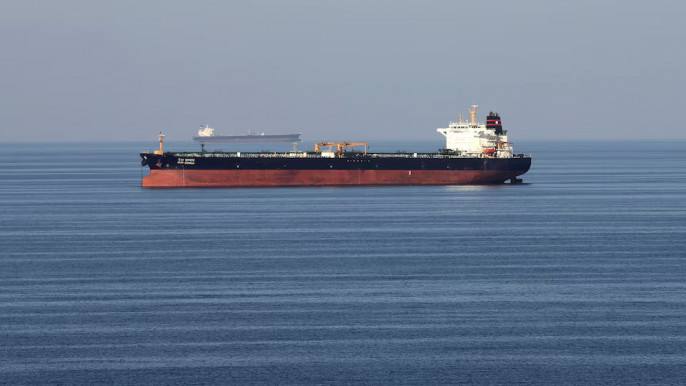
Oil prices fell on Monday as an increase in supplies from the Middle East and the restart of a Libyan oil pipeline outweighed investor unease about persistent attacks on shipping and refineries in the region, Reuters reported.
Source: Reuters
Brent crude futures fell $1.79, or 1.93%, to $90.78 a barrel by 1404 GMT on Monday. Earlier in the day, Brent had fallen 60 cents, or 0.65%, to $91.97 by 0844 GMT, and was down 47 cents, or 0.51%, at $92.10 in Asian trade.
Why prices fell
Traders pointed to rising flows of crude from the Middle East and the restart of a Libyan oil pipeline, which added supply to a market already worried about a global surplus. At the same time, attacks on tankers and refineries around the Gulf kept a floor under prices, limiting the fall.
The wider picture is a month of steep declines. Brent is now about 21% below its late-October peak of nearly $117 a barrel, and Brent and US crude were each on course to lose about 20% in November as Middle East exports rose and shipping rates fell, Reuters reported on November 18.
The war risk has not gone away
Tension in the region remains high. Iranian media reports, cited by Reuters, said Iran's navy found three tankers disabled by mines east of the Strait of Hormuz, and Reuters reported an attack on an ADNOC Logistics and Services vessel in the strait on November 17. More than 30 attacks on shipping around the strait were reported in October, the highest monthly number since the war began, according to UKMTO figures reported by CNN, with at least 22 more in November as of Sunday.
Ukrainian drone attacks have also cut Russian refineries' combined crude processing by 45% since late October, Reuters reported, citing industry sources — another factor keeping traders cautious.
Priyanka Sachdeva of Phillip Nova summed up the market's split mood: "Oil is caught between bearish fundamentals and bullish geopolitical risks." Traders are now watching whether Middle East flows keep rising, whether the US-Iran talks produce a deal, and whether there are further attacks on tankers near Hormuz.
For readers in Punjab and among the Indian diaspora, the oil price matters twice over: cheaper crude eases fuel prices and inflation back home, while the Gulf economies where lakhs of Punjabis and Indians work depend heavily on oil revenues. A lower price also cuts the fuel bills of the transport and farming sectors, but any new attack on Hormuz shipping could send prices back up just as quickly.
Markets will take their next steer from OPEC+ signals, fresh data on Middle East exports, and the state of the indirect US-Iran talks, which remain stalled over Hormuz and the nuclear programme.