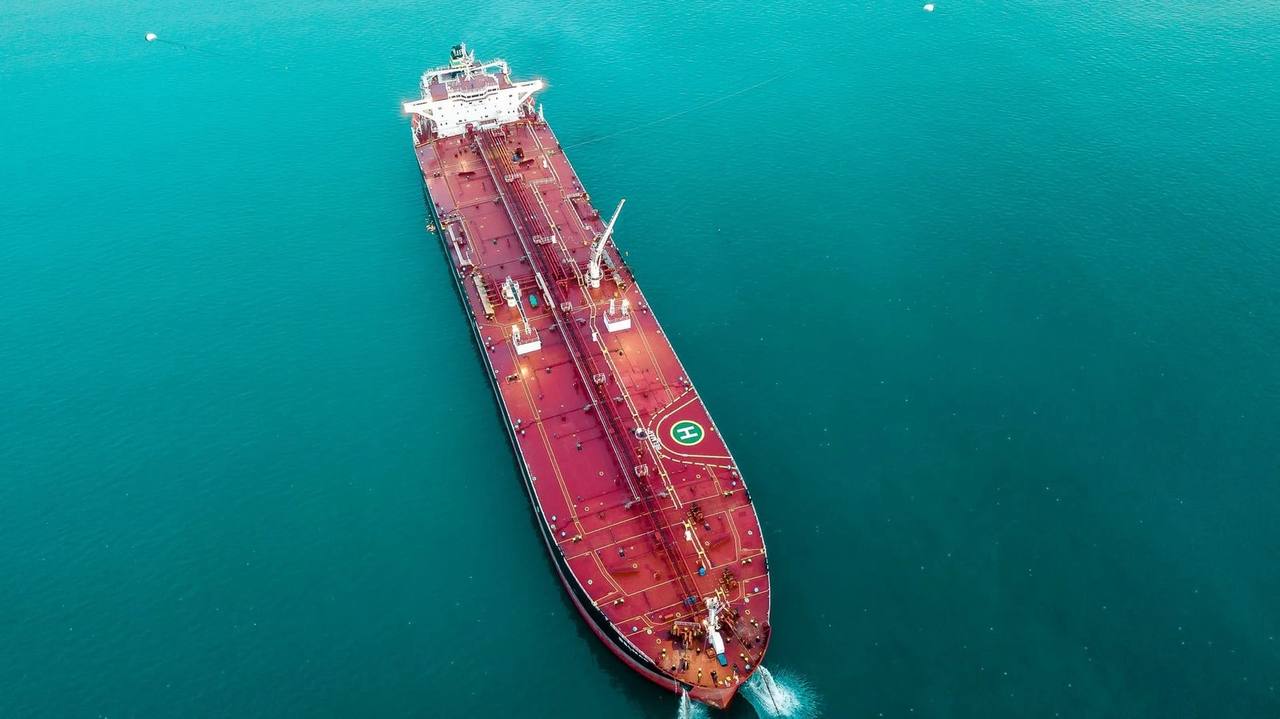
Oil prices fell again on Wednesday, November 25, even as fresh attacks hit tankers in the Strait of Hormuz, with traders betting that a growing global supply surplus matters more than the shipping danger. Brent crude futures dropped $1.47, or 1.6%, to $89.93 a barrel by 0730 GMT, Reuters reported, while US West Texas Intermediate (WTI) crude slipped $1.52, or 1.9%, to $80.53 a barrel.
Source: Reuters
The fall came hours after two oil tankers struck naval mines and caught fire in the Strait of Hormuz early on Wednesday. Read our report on that attack here. Two tankers hit mines in Hormuz
Earlier in the session, Brent had already fallen 43 cents, or 0.5%, to $90.97 a barrel, and WTI had slipped 47 cents, or 0.6%, to $81.58. The drop pared some of Tuesday's gains, when Brent had settled near $91 a barrel, up more than 2% on the day.
Why prices fell despite the attacks
The International Energy Agency (IEA) said on November 13 that the world oil market would return to a surplus in the fourth quarter, as Middle East exports recover faster than global demand. Global oil production rose by 2.3 million barrels a day in October to 105.4 million barrels a day, the agency said in its November Oil Market Report.
The IEA expects the United States, Canada, Brazil, Argentina and Guyana together to raise output by 1.6 million barrels a day in 2026, and it expects worldwide oil demand to fall by 2.7 million barrels a day in 2026 before recovering to about 104.3 million barrels a day in 2027.
"Supply surplus concerns going into 2027 are outweighing ongoing shipping risks," said Zhenqiang Seto, a senior research specialist for oil at LSEG, according to Reuters. He pointed to uncertainty over OPEC's 2027 policies ahead of the November 29 meeting, with the UAE no longer restricted by OPEC+ policies and Iraq seeking higher oil output capacity.
OPEC+ meets on November 29
OPEC+ ministers will hold a series of meetings on November 29 to decide the group's output policy for 2027. That decision will shape prices into next year, and traders are watching whether the group extends its current cuts or lets more oil flow.
China and India are on track for record Russian oil imports this year, about 3.4 million barrels a day through mid-November, according to tanker data and industry sources cited by Reuters, plugging a supply gap caused by the Iran war. India imports most of the crude it uses, and a large share of it travels through the Strait of Hormuz, so both the price and the shipping risk matter directly to Indian buyers.