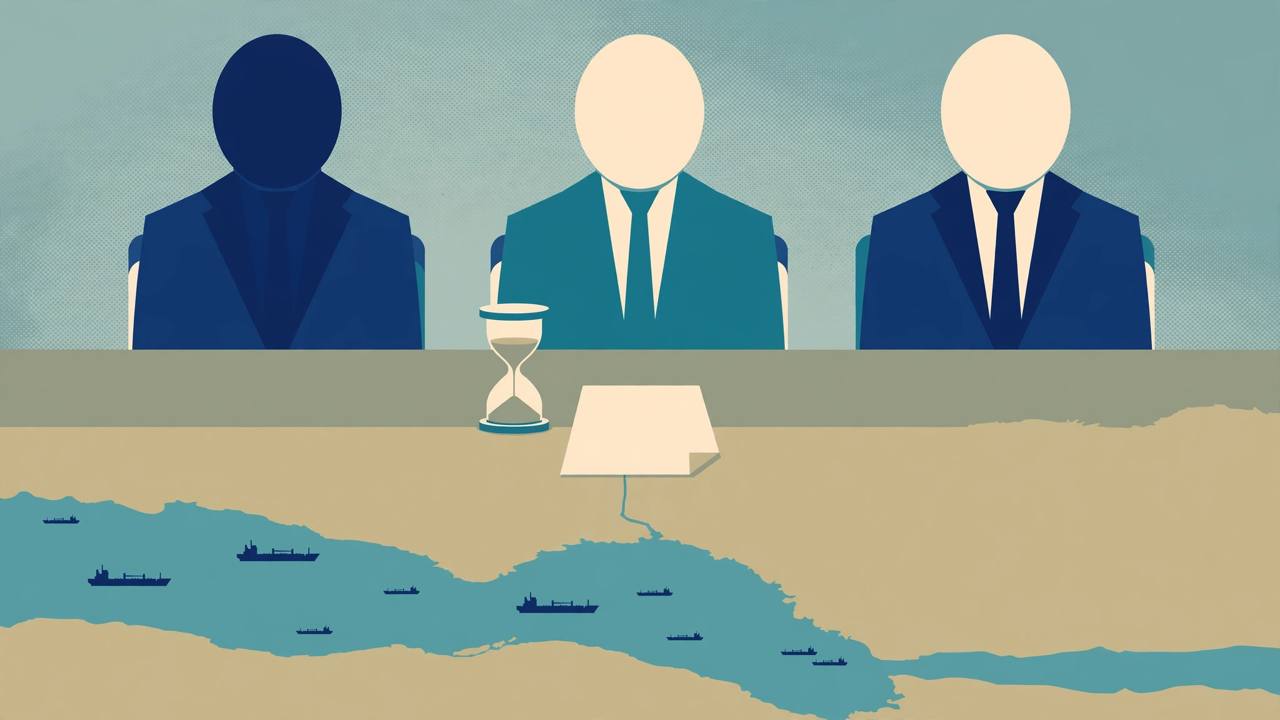
Qatar's mediation between the United States and Iran is continuing to prevent the situation in the region from spiralling out of control, the Gulf state's Prime Minister, Sheikh Mohammed bin Abdulrahman Al Thani, said in remarks reported by Al Jazeera TV on Saturday and carried by Reuters. Al Thani, who is also Qatar's foreign minister, said significant progress had been made in the indirect talks and expressed confidence that a settlement could be reached.
Source: Reuters, Nov 7 2026 — Qatar mediation efforts continue
"We cannot wait to reach a perfect agreement; we hope to reach a good agreement," Al Thani said. In the same remarks on Friday, he confirmed that the United States and Iran had failed so far to reach a "comprehensive agreement", and urged both sides to accept a good deal rather than hold out for ideal terms and conditions, Shafaq News reported. The two accounts — the mediator's own public assessment, made as Washington decides whether to resume strikes on Iran — are the clearest official status report on the talks since Tuesday's US midterm elections.
Source: Shafaq News via Jawawa, Nov 6-7 2026 — Qatar says US and Iran failed to reach comprehensive deal
Crucially for what happens next, Al Thani said the US administration remained willing to find a solution even after the midterm elections, signalling that Washington's interest in reaching an agreement had not changed. Regional governments had been anticipating that US President Donald Trump, who held off on strikes on Iran during the weeks leading up to Tuesday's vote, could restart attacks once the voting was over; Iran has repeatedly said it would respond to new attacks by striking US and Israeli targets in neighbouring countries, Reuters noted.
Where the talks actually stand
The public track of the mediation is a chain of proposals, not a negotiation table. On November 5, Iran transmitted a nuclear proposal to the United States through Qatar, to be discussed only after Washington meets Tehran's seven demands — a plan Iran has been proposing since September and which Trump has so far rejected. It calls for Washington to lift its blockade of Iranian ports, unfreeze Iranian assets and approve an Iranian-backed route through the Strait of Hormuz, after which the contested waterway would be reopened, Reuters reported. On November 6, Qatar's Emir, Sheikh Tamim bin Hamad Al Thani, spoke with Trump directly to push the mediation, a call Awaaz Punjab reported at the time.
The Emir's call with Trump, a day after the president warned he may have to 'destroy the rest' of Iran, was Doha's previous public push in this mediation. Read: Trump calls Qatar's Emir to push Iran mediation
The military track has not paused while the diplomats talk. Iranian media reported fresh explosions on Qeshm Island in the Strait of Hormuz late on Friday — Tasnim said initial reports indicated two missiles had struck the island, with no official information on damage, and the United States had not announced any attack on targets inside Iran, Reuters reported in the same dispatch. Awaaz Punjab has reported the Qeshm strikes and Washington's confirmation of its earlier limited attack on an air-defence system there as separate stories; the new reports had no US confirmation as of Saturday morning.
What is solid
- Qatar's Prime Minister said mediation is continuing, is preventing a spiral out of control, and has made significant progress; he urged a 'good agreement' over waiting for a perfect one — Reuters, citing Al Jazeera TV, Nov 7.
- Al Thani confirmed the US and Iran have not reached a comprehensive agreement, and said US willingness to find a solution is unchanged after the midterms — Reuters and Shafaq News accounts of his remarks.
What is only claimed
- How close a settlement really is — 'significant progress' is the mediator's own assessment; no text, terms or timetable for any agreement has been published by either side.
- The reported new explosions on Qeshm Island — Iranian outlets reported two projectiles in the Suza area late Friday; there was no US confirmation of a new strike and no confirmed damage assessment.
Qatar hosts the region's diplomacy while sitting inside its blast radius: lakhs of Punjabi and Indian workers live and work across the Gulf states, and every week the war stays unresolved keeps Strait of Hormuz shipping, oil prices, remittance flows and flight routes exposed. A settlement — even an imperfect one — is the single event that would calm all four at once.
What happens next: Al Thani's remarks set the test for the coming days. If Washington's post-midterm willingness is real, the next step would be a public response to Iran's Qatar-channelled proposal or a announced round of indirect talks; if strikes resume instead — as regional governments have feared since the vote — Qatar's 'good agreement' appeal will have been the mediation's last public status report before a new round of war. Oil markets, which fell sharply this week on hopes the midterms would end the war, are pricing the same question.