A Qatari delegation held talks in Tehran on Friday night as diplomatic efforts continued to end the war triggered by the US and Israeli attacks on Iran in February, an Iranian official said on Saturday.
Source: Reuters
Iranian Deputy Foreign Minister Kazem Gharibabadi said Tehran remained in contact with mediators, including Qatar, which has long used its ties with both Iran and the United States to help facilitate dialogue in regional disputes. “We are in contact with mediators, including the Qataris, both in person and virtually, and are holding the necessary discussions to see whether another opportunity can be given to diplomacy,” Gharibabadi said, according to the semi-official Tasnim news agency.
Tehran still hopes for a deal
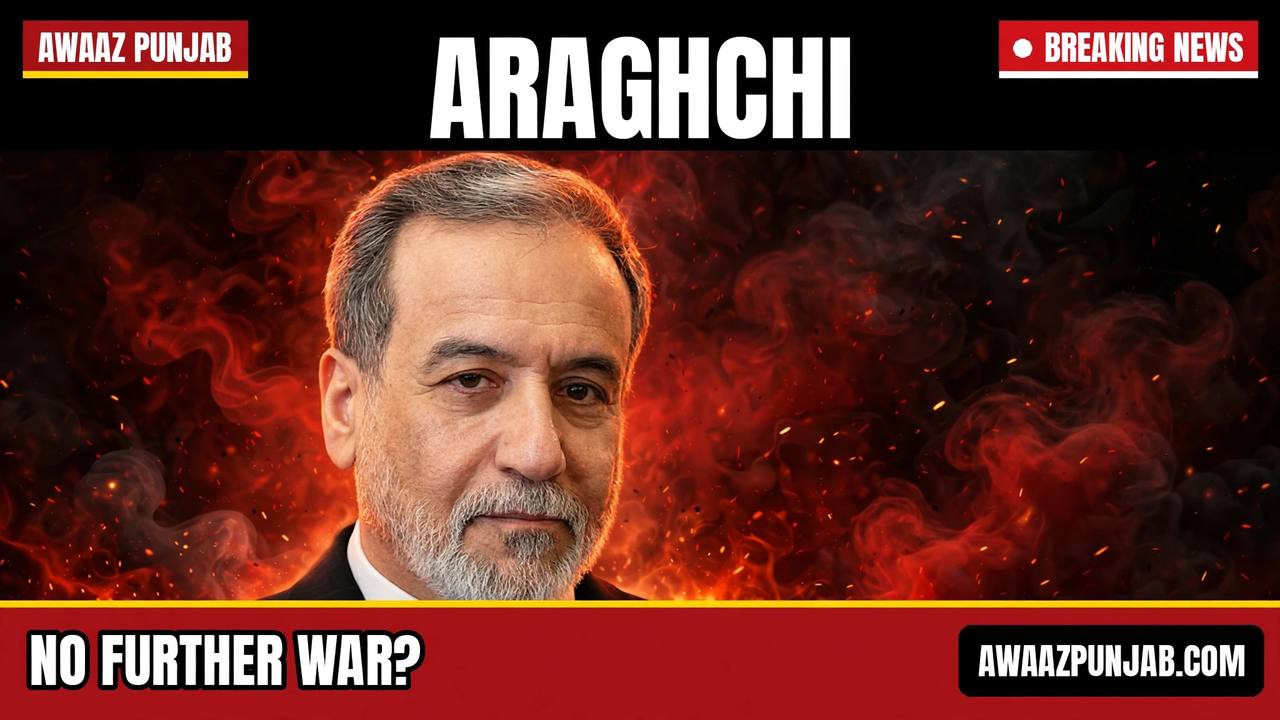
Gharibabadi echoed remarks by Iranian Foreign Minister Abbas Araqchi in an interview with the state-owned Iran newspaper, in which Araqchi said Tehran still hoped diplomacy could end its war with the United States and was seeking “an agreement that would ensure there was no further war”. Messages continued to be exchanged between Iran and Washington through mediators, Araqchi said.
Source: Reuters
Araqchi said Iran’s red lines included keeping its highly enriched uranium in the country, though he said a “fair solution” was still possible. The IAEA estimates that Iran had 440.9 kg of uranium enriched to 60% when Israel and the United States attacked Iranian nuclear facilities in June 2025.
US President Donald Trump, speaking at a press conference on Friday, said Iran wanted a deal but not one acceptable to him. “They want to make a deal, but they don’t want to make a deal that’s acceptable to me,” Trump said.
A week of shuttle diplomacy
Qatari and Iranian officials had already met on Tuesday in talks aimed at “bridging perspectives and narrowing the gap between proposals presented on the ground,” a spokesperson for Qatar’s foreign ministry said. The Friday-night visit is the latest step in a week of shuttle diplomacy around the war.
Earlier this week, US envoys Steve Witkoff and Jared Kushner met Qatari mediators in Berlin to try to revive the US–Iran talks. Read the Berlin story
The United States and Israel attacked Iran on February 28, prompting Tehran to launch strikes against Israel and Gulf states hosting US military bases. The conflict has destabilised the Middle East, disrupted shipping and driven up global energy prices. Brent crude traded around $92.77 a barrel this week after a weekly drop, as hopes of diplomacy flickered.
Source: Reuters
What it means for Gulf workers
The outcome matters far beyond Tehran and Washington. Lakhs of Punjabi and Indian workers live and work across the Gulf, and the war has brought them flight disruption, safety fears and worry over jobs and remittances. Any genuine opening for diplomacy is the first step toward easing that uncertainty — though no deal has been announced and none of the core disagreements, above all the uranium question, has yet been bridged.
What happens next will turn on whether the Friday-night talks produce a written proposal. No date has been announced for a next round, and the mediators — above all Qatar, which has channels to both sides — are expected to keep shuttling between Tehran and Washington in the coming days.