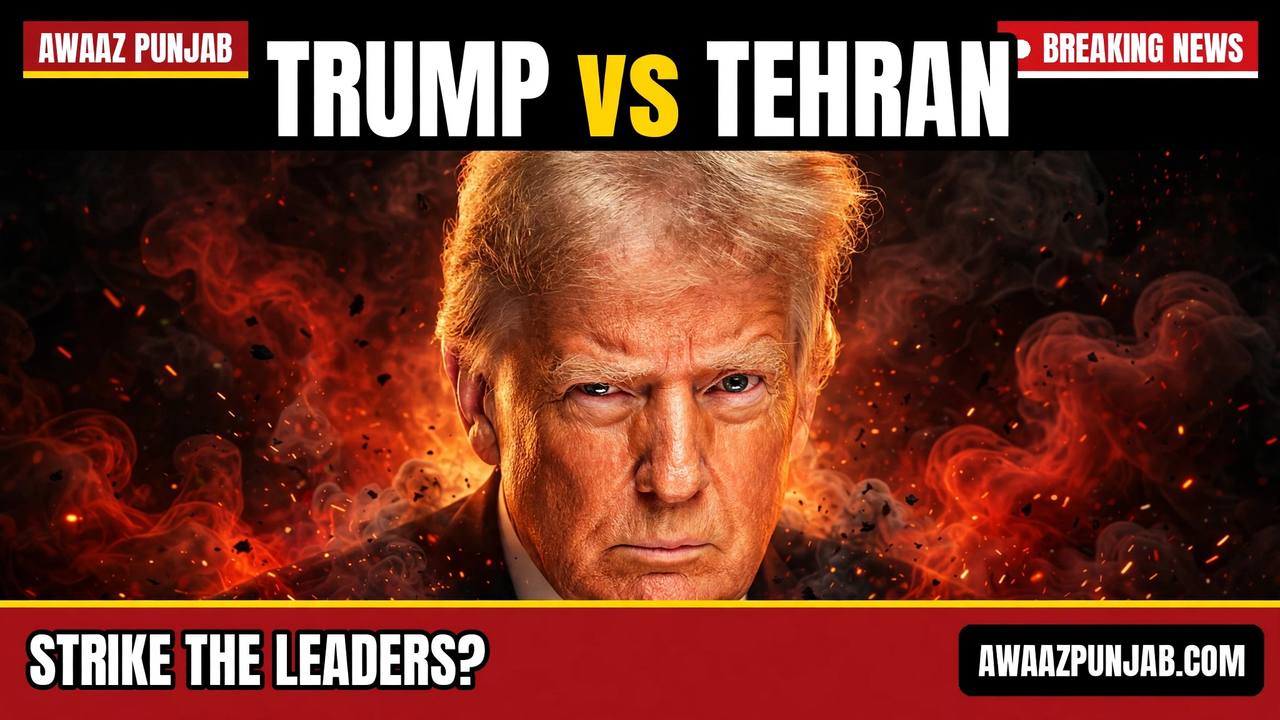
NBC News reported on Tuesday, November 24, that officials in US President Donald Trump's administration are debating whether the American military should target senior Iranian leaders in an effort to end the nearly nine-month war with Iran, citing a US official and a person familiar with the discussions. No decision has been made, the report said.
Source: NBC News
Supporters of the idea inside the administration argue that killing senior figures would remove the hardliners blocking an end to the war and send a blunt message to whoever remains in charge in Tehran — that Washington can find and strike Iran's rulers at any time. Opponents warn of the opposite effect: that it could harden Tehran's stance, prolong the war, wreck the chances of future negotiations and expose senior American officials to retaliatory attacks.
A White House official, asked about the reported discussions, told NBC News that "President Trump has many options at his disposal and will make the best possible decision to ensure Iran can never possess a nuclear weapon." The official added that Washington's current focus is maintaining the naval blockade of Iranian ports and restricting land-based supply routes.
Source: NBC News
No decision yet — and a split inside the administration
The debate, as reported, is not about whether to resume the war in general but about one specific option — so-called decapitation strikes against Iran's political and military leadership. The option has been on the table before, but NBC reported it has drawn renewed attention in recent weeks as Trump weighs the next phase of the war. Neither report names any official on either side of the argument, and NBC did not identify any Iranian figure as a specific target.
US Ambassador to Israel Mike Huckabee said on Tuesday that Trump prefers a negotiated settlement but would not hesitate to launch a new attack if talks fail. Israeli Prime Minister Benjamin Netanyahu has been pressing Trump to resume strikes against Iran "as soon as possible", Israeli public broadcaster Kan reported on Sunday, citing an unnamed source.
Source: The Jerusalem Post via Israel.com
The war so far
The war began on February 28, 2026, when joint US and Israeli airstrikes hit Iran. On the first day, Iran's supreme leader, Ayatollah Ali Khamenei, was killed along with senior political, military and intelligence chiefs. His son, Mojtaba Khamenei, succeeded him as supreme leader and is widely seen as having taken an even tougher line. Mojtaba Khamenei, who was reportedly injured in the strikes that killed his father, has not been seen publicly since assuming power, though he has warned Washington and Jerusalem against resuming major attacks on Iran's leadership.
Trump has said the war is "effectively over", but the United States continues to enforce a naval blockade of Iranian ports, and the Strait of Hormuz — the narrow waterway through which a large share of the world's seaborne oil passes — remains a flashpoint. Iran's parliament speaker, Mohammad Bagher Qalibaf, said on Tuesday that Tehran refuses to talk until seven demands are met, including lifting sanctions and ending the blockade.
The debate over new strikes comes as the clock runs down on Trump's freedom of action. In an interview with the New York Post published on Tuesday, Trump said funding for the Iran campaign runs "up until really the end of January", after which Democrats — who won control of both chambers of Congress in this month's midterm elections — could restrict his ability to continue the campaign. Trump called Israel's goal of toppling the Iranian government "probably doable", but said it was not his own objective: "I just don't want them to have a nuclear weapon."
What it means for the Gulf and for oil
Any return to major strikes would be felt far beyond Iran. Lakhs of Punjabi and Indian workers live and work across the Gulf states, and a new round of fighting would raise immediate questions about their safety, flights and remittances. The Strait of Hormuz is the world's most important oil chokepoint, and every escalation in the war has pushed oil prices and shipping insurance costs higher. The US Treasury has also moved against Iran's shadow banking network, sanctioning exchange houses and front companies in Dubai, Hong Kong and Turkey.
What happens next
The decision rests with Trump alone, and he has given no public timetable. Other options on his desk, according to US officials and Iran experts cited in the reporting, include resuming major combat operations and hitting Iranian energy and nuclear targets — including oil facilities on Kharg Island, oil and gas sites on Qeshm Island, and the nuclear enrichment facilities at Pickaxe Mountain. For now, the administration remains split, the blockade stays in place, and the war — in its ninth month — waits on one man's call.