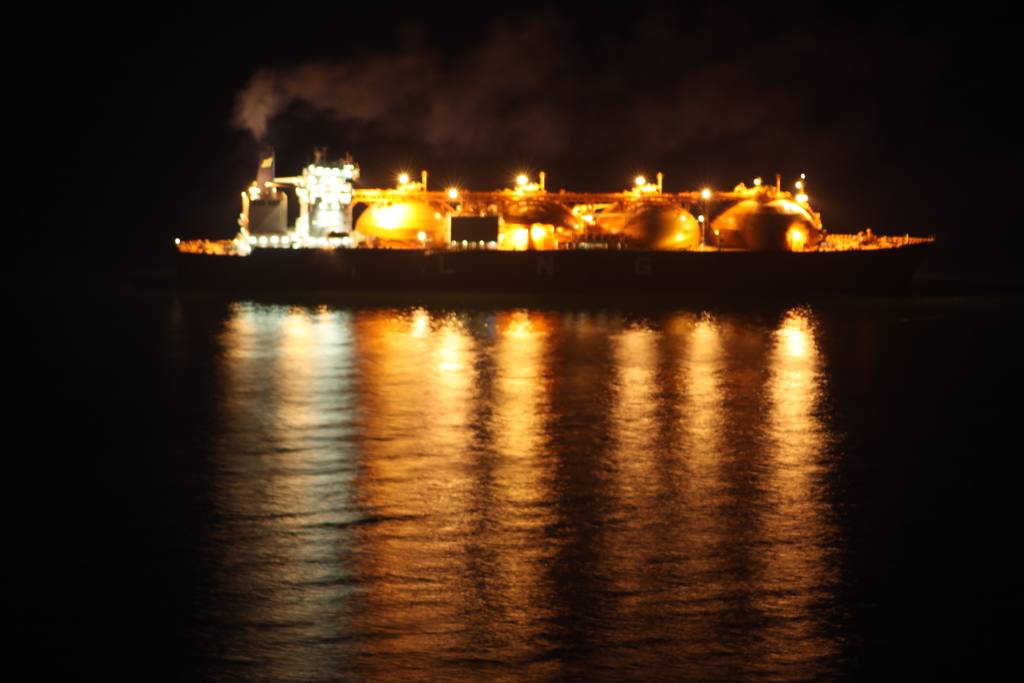
The United States is investigating whether Iran is behind cyberattacks that may have hit as many as 50 commercial ships, American officials say — a suspected campaign that has put oil, gas and chemical tankers at risk as they crossed Asia and Europe.
Source: NPR
The vessels were carrying oil, liquefied natural gas and other explosive chemicals, according to the Wall Street Journal, which first reported the breaches. TechCrunch, reporting on the Journal’s account, said the ships were hacked while travelling across Asia and Europe. NPR, which also reported the investigation, said US officials believe as many as 50 vessels may have been compromised.
The hackers got in through known flaws in Fortinet FortiGate devices — the firewalls and virtual private networks widely used on merchant ships. TechCrunch reported the intruders may have abused a flaw known as FortiBleed in vulnerable Fortinet routers. A joint FBI and Coast Guard bulletin in September had already warned the shipping industry that attackers were breaking into these devices.
In August, the Coast Guard and the FBI sent a specialist team to board two foreign commercial vessels in the Gulf of America that were heading for US ports, after several tankers bound for the American coast had their navigation systems breached. Once inside a ship’s systems, the hackers moved from office IT networks into the operational technology that controls physical processes on board, a US official told NPR.
Crews in some cases found they could not log in to accounts or noticed email problems, and at least one ship suffered an extended communications blackout, the official said. The attackers could have affected propulsion, steering, navigation and cargo management, though the official shared no examples of such tampering. At least one of the affected ships was a liquefied natural gas tanker, whose cargo must be kept at controlled temperatures to avoid dangerous accidents.
“These are not sophisticated attacks,” the official told NPR, describing a flaw that basic cyber hygiene could fix. The FBI and Coast Guard said they have no current reports of operational disruption, vessel instability, danger to crews or environmental harm. The Coast Guard has warned, however, that a cyberattack on a modern ship could risk a collision, a grounding, an oil spill or an explosion.
What investigators think Iran may be trying to do
Officials are investigating whether Iran aims to frighten shippers, disrupt shipping routes or cause an explosion at a port, TechCrunch reported. Ahead of the busy holiday shipping season, US officials are preparing to examine any ship entering American ports that may have been compromised.
If the suspicions hold, the ship breaches would add to a string of cyberattacks on critical infrastructure blamed on Iran during its war with the United States and Israel, which began on February 28. US officials believe Iranian hackers were behind attacks on American water treatment systems in August and on refrigeration systems that spoiled food at grocery stores on US military bases and across Europe into early November. Iran has denied it was behind the refrigeration attacks in France. US officials have also blamed Iran for hacks of American medical technology companies. An FBI spokesperson did not respond to TechCrunch’s request for comment on the shipping hacks.
Why it matters for shipping — and for seafarers
The probe lands as shipping through the Strait of Hormuz has already come under repeated physical attack during the war, with tankers hit by mines and projectiles in recent weeks. A cyber threat to the same lanes adds a second danger for crews — including the many Indian seafarers who work on merchant vessels across the world — and for the Gulf economies that depend on energy exports moving safely through the strait.
For now, the Iran link remains an open investigation, not a confirmed finding: officials say they are examining a possible connection, and the number of affected ships — up to 50 — is the estimate US officials have shared. What happens next depends on what the FBI and Coast Guard find on board the ships they examine, and on whether the evidence points firmly to Tehran.
What is solid
- Up to 50 commercial ships may have been hacked; the figure comes from US officials.
- The hackers exploited flaws in Fortinet FortiGate devices, possibly the FortiBleed bug.
- The FBI and Coast Guard boarded two US-bound vessels in August and warned the industry in September.
- No operational disruption, crew danger or environmental harm has been reported.
What is only claimed
- Whether Iran is behind the ship hacks — US officials are investigating a possible link; it is not confirmed.
- What Iran’s aim would be — frightening shippers, disrupting routes or causing a port explosion are lines of inquiry, not findings.