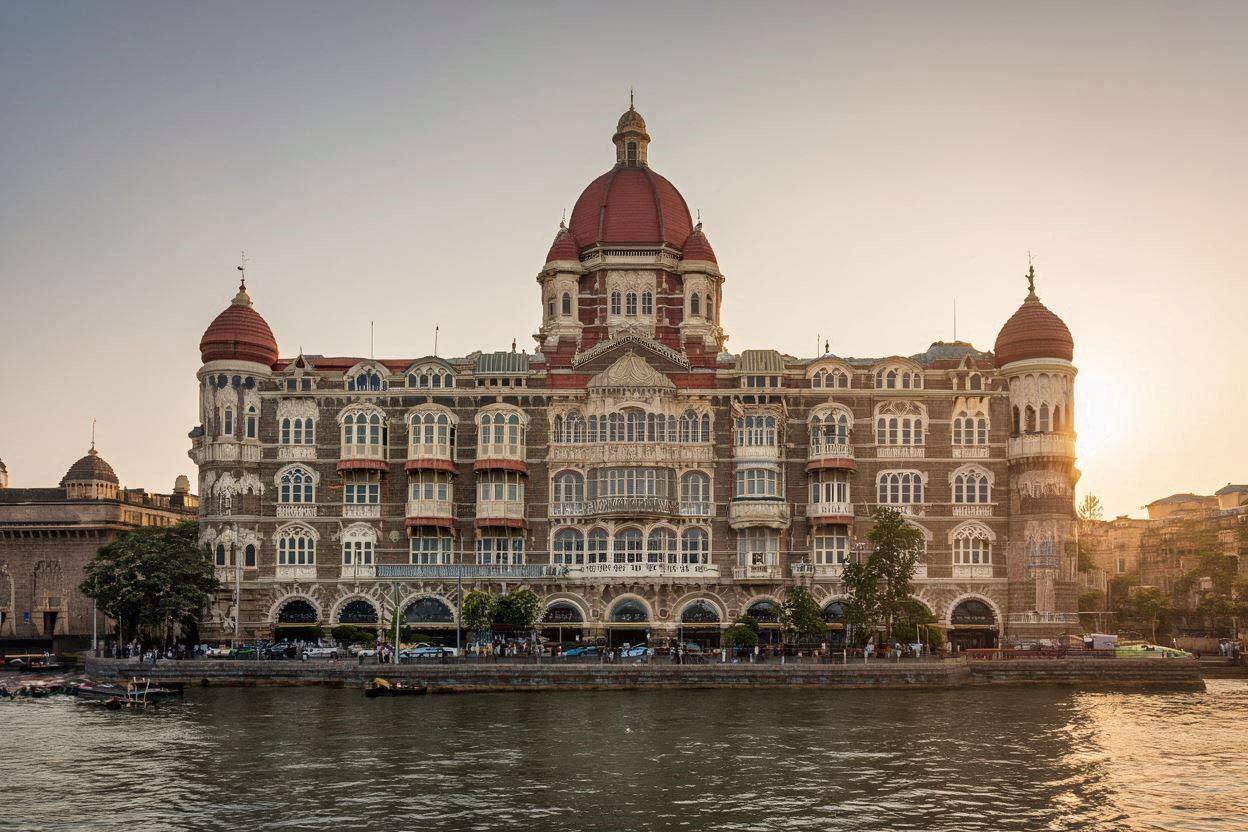
Mumbai on Thursday marked 18 years since the 26/11 terror attacks of 2008, when ten heavily armed Lashkar-e-Taiba terrorists sailed into the city from Pakistan and laid siege to its landmarks in a 60-hour assault that left 166 people dead, including foreign nationals, and more than 300 injured.
Source: PTI
The assault began on the night of November 26, 2008, and continued until the morning of November 29. Splitting into pairs, the gunmen struck six targets across south Mumbai: Chhatrapati Shivaji Maharaj Terminus, the Taj Mahal Palace Hotel, the Oberoi Trident Hotel, Nariman House, Leopold Cafe and Cama and Albless Hospital.
Source: AIR News
Nine of the attackers were killed by security forces and one, Mohammed Ajmal Kasab, was captured alive. He was later tried, convicted and executed. The siege exposed serious gaps in coastal surveillance and inter-agency coordination, and forced a sweeping overhaul of India's counter-terrorism architecture, including the creation of the National Investigation Agency.
Source: IANS
The heroes who stood their ground
Assistant Sub-Inspector Tukaram Ombale, armed with only a lathi, lunged at Kasab at Girgaon Chowpatty and held down the barrel of his weapon so fellow officers could overpower him. Ombale was killed in the hail of bullets. He was posthumously awarded the Ashoka Chakra, as were Major Sandeep Unnikrishnan, Mumbai Police officers Hemant Karkare, Ashok Kamte and Vijay Salaskar, and NSG commando Havildar Gajender Singh Bisht.
Source: PTI
Every year, floral tributes are paid at the Mumbai Police headquarters, at CSMT and at Cama Hospital, and Mumbaikars gather at Prerana Sthal, Ombale's memorial statue at Girgaon Chowpatty.
Source: PTI
This year, the Ministry of Home Affairs announced that NSG Mumbai is organising a #NEVEREVER remembrance and pledge ceremony at the Gateway of India, with tributes to victims, survivors and bereaved families, a candle-wax living memorial and participation by 11 colleges and 26 schools.
Source: Bold Voices
The legal reckoning continues. In 2025, the United States extradited co-accused Tahawwur Hussain Rana to India to face trial for his role in facilitating the reconnaissance network behind the attacks. On November 17, a Delhi special court gave the National Investigation Agency two weeks to supply the defence with a list of documents not relied upon in the case, and proceedings in Mumbai against Zabiuddin Ansari, also known as Abu Jundal, were continuing as the anniversary approached.
Source: IANS
Eighteen years on, the carnage remains a grim reminder of the human cost of terrorism — and of the vigilance the city says it will never let slip.