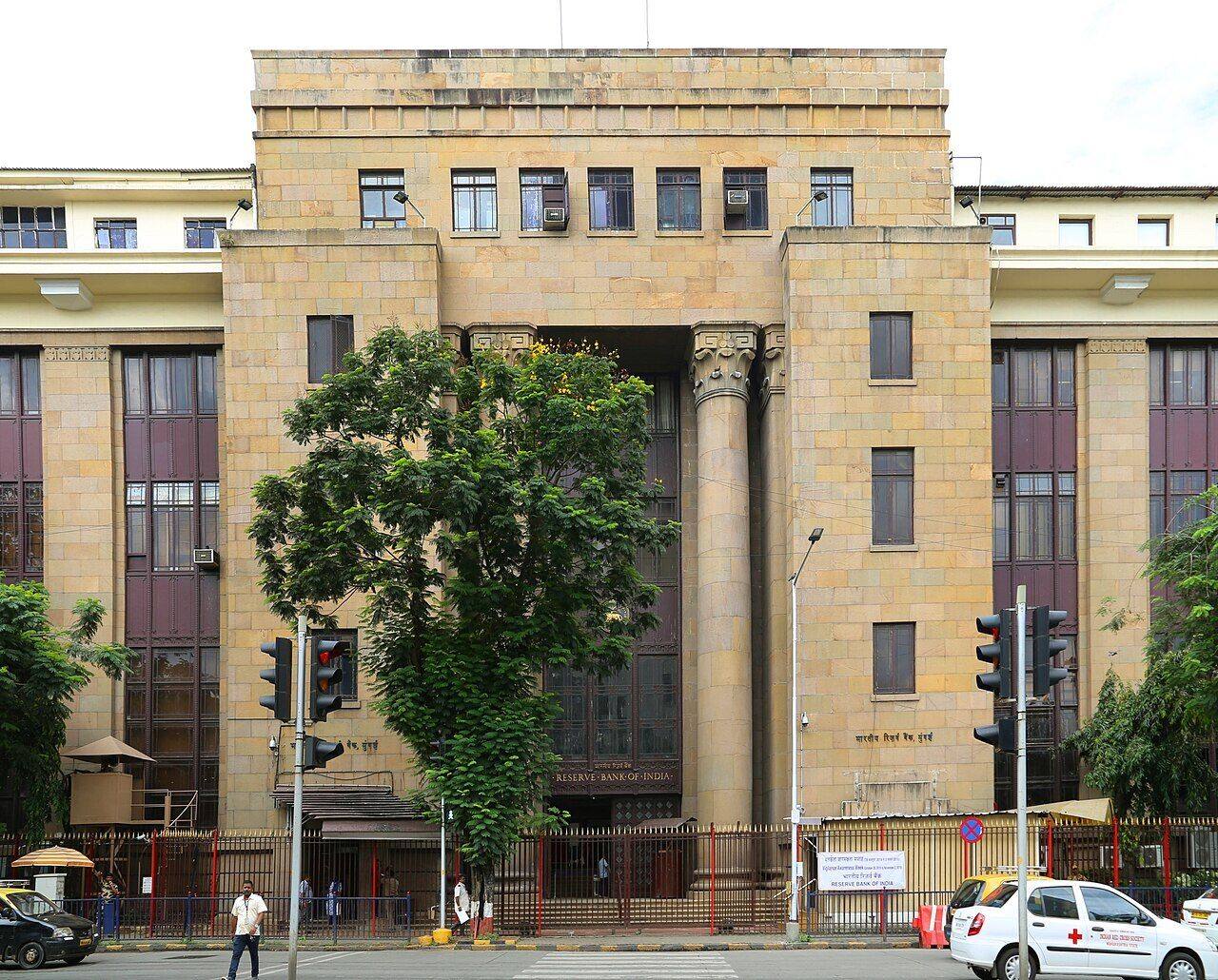
Mumbai, November 25 — The Reserve Bank of India said on Wednesday that the Indian economy stood out amid uneven global growth, with high-frequency indicators showing resilience in October, according to its November bulletin.
Source: The Hindu BusinessLine
Domestic growth drivers and overall macroeconomic fundamentals remain useful buffers amid the challenging global environment marked by geopolitical risks and an uncertain financial outlook, the bulletin said in its 'State of the Economy' chapter, written by RBI staff.
High-frequency indicators sustained momentum in October, supported by buoyant festive demand. Goods and Services Tax revenue rose sharply to the second-highest monthly collection since the levy began in July 2017, and merchandise exports reached their highest-ever monthly level, growing in double digits for a seventh straight month. With strong export performance, India's trade deficit narrowed compared with a year earlier.
Inflation above the comfort band
The bulletin also flagged price pressures. Headline consumer price inflation rose to 6.09 per cent in October, from 5.54 per cent in September, breaching the upper end of the RBI's 2–6 per cent tolerance band. Food inflation climbed to 8.94 per cent from 7.74 per cent, and the bulletin noted continuing broad pressure on food prices in the first three weeks of November.
Source: Informist Media
Bank credit growth stayed strong at 19.5 per cent year on year at the end of October, while deposits grew 16.9 per cent. Equity markets have rebounded since end-October, supported by robust corporate earnings, moderating crude oil prices and a reversal of foreign portfolio investment flows, and the rupee has strengthened since the second week of October.
Growth seen easing, monsoon at 11-year low
Growth in the July–September quarter is expected to ease to 7.7 per cent, according to a poll of 15 economists by Informist — a three-quarter low, down from 7.8 per cent in April–June and 8.1 per cent a year earlier, but above the RBI's 7.2 per cent and the finance ministry's 7.35 per cent projections. Economists cited weaker farm output after India recorded its lowest southwest monsoon rainfall in 11 years, at 87 per cent of the long-period average.
The bulletin added that rainfall from recent cyclones may augur well for rabi sowing, and noted that the government's key deficit indicators were higher in the first half of 2026–27 than a year earlier, even as capital expenditure continued to grow in double digits.
The November bulletin was released on Wednesday. The Reserve Bank publishes the bulletin every month; the 'State of the Economy' article is authored by its staff.
Source: Reserve Bank of India