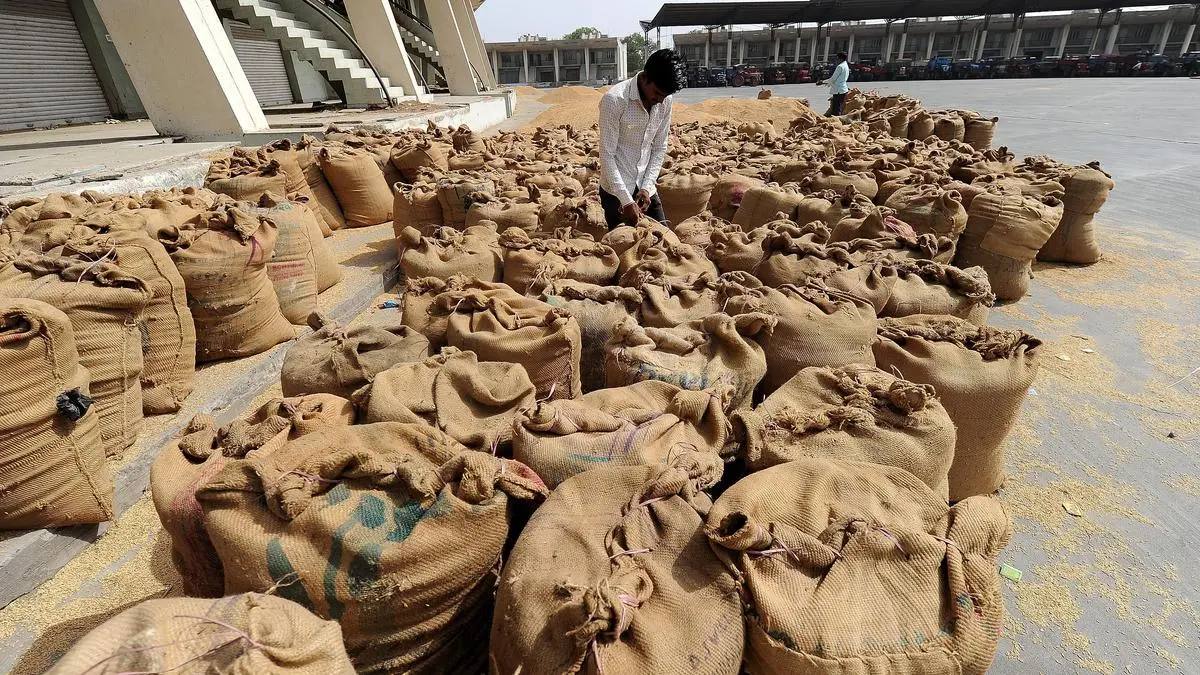
India is considering export curbs on non-basmati rice to cool domestic prices, with an export duty of around 20% on selected grades among the options on the table, Reuters reported on Monday, citing government and industry sources.
Source: Reuters
The discussions cover fully broken rice and some premium non-basmati grades reported to be in short supply in southern states. No decision has been taken yet — a government source told Reuters that ministries would be consulted before any move, and the report gave no effective date or final list of products.
A 30% duty and a minimum export price also on the table
The Hindu BusinessLine reported on Sunday that the government is also weighing a 30% export duty along with a minimum export price (MEP) on non-basmati white rice, likely next month, with a temporary export ban kept only as a last resort.
Source: The Hindu BusinessLine
When the plan was placed before an inter-ministerial panel in the first week of November, India's free-on-board price for white rice (5% broken) was $384–389 a tonne, against about $415 in Pakistan, $495 in Thailand and $480 in Vietnam. Sources told the paper that even at a 20% duty, Indian rice would still be competitive against Thailand and Vietnam, with only Pakistan cheaper.
Why the government is acting now
Retail rice prices were still more than 11% above a year earlier on November 21, and food inflation rose to 8.94% in October. Andhra Pradesh has capped retail prices between ₹47 and ₹82 a kg and imposed stock limits on millers, wholesalers and retailers until January 31, 2027, after prices surged nearly 30% over recent months in the state.
The Centre has already doubled the target for rice sold through e-auction under the Open Market Sale Scheme to 50 lakh tonnes for 2026–27, and asked cooperatives NAFED, NCCF and Kendriya Bhandar to expand subsidised 'Bharat Rice' sales, particularly in the southern states. Traders, retailers, wholesalers and processors have also been directed to declare their rice and paddy stocks every week.
A familiar tool — used before, then lifted
India has been here before. In September 2022 it banned broken-rice exports and imposed a 20% duty on paddy, husked rice and non-basmati white rice; in August 2023 it added a 20% duty on parboiled rice and a minimum export price on basmati. The curbs were lifted in September–October 2024, and the broken-rice ban ended in March 2025.
Any duty or price floor will come through a formal notification, which has not been issued. India is the world's largest rice exporter, and its non-basmati exports reached 8.84 million tonnes in April–October, up 7% on the year — so the exact rate, the product list and the start date will matter to buyers from Africa to Asia.