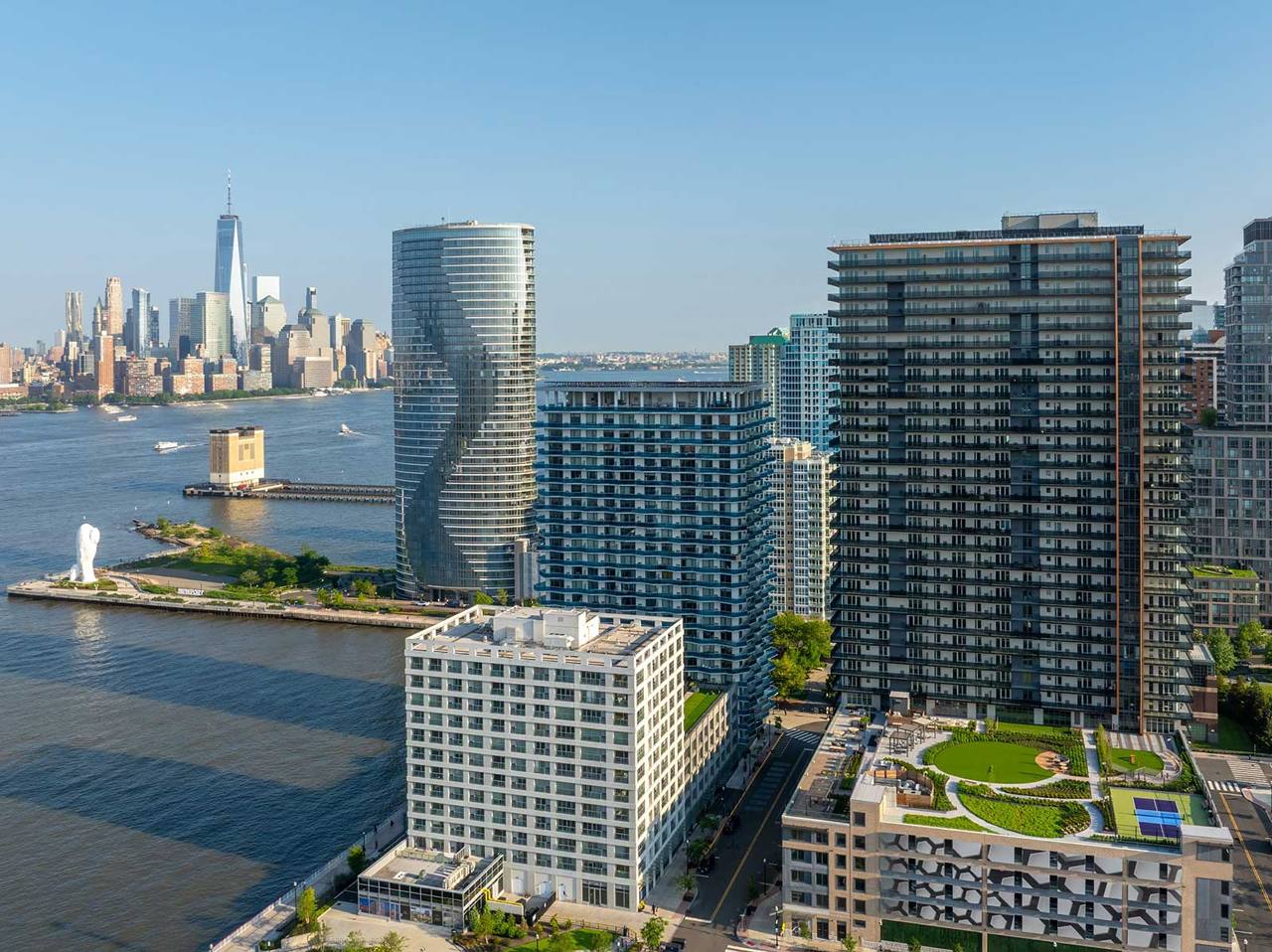
Jersey City's push to expand rent control has stalled in the City Council, and in its place Mayor James Solomon has announced a 30-year tax deal with the LeFrak Organization that would preserve and expand affordable housing at Newport, the Hudson River waterfront community where hundreds of tenants faced steep rent increases this fall.
What the council decided
The nine-member City Council declined to advance an ordinance sponsored by Councilmember Jake Ephros, a democratic socialist, that would have eliminated the lifetime rent-control exemption for new developments in designated redevelopment areas. Only Ephros and fellow Councilmember Joel Brooks supported the measure, which was effectively killed before it could be formally introduced, according to The Real Deal, reporting on Gothamist's coverage.
The council's regular meeting on November 13, 2026, recorded the motion to introduce the ordinance failing by a vote of 2 in favour, 5 against and 2 abstentions. Councilmember Little abstained, contingent on a payment-in-lieu-of-taxes agreement for Newport residents being finalised. Ephros called housing a human right and described the ordinance as a tool to tackle runaway housing costs, telling the council that Jersey City has built more homes than any city in the northeastern United States in the last 16 years and still faces an affordability crisis.
Why the fight started at Presidential Plaza
The proposal was a response to a looming rent spike at Presidential Plaza, the first residential towers built at Newport, the waterfront master-planned community developed by the LeFrak Organization and the Simon Property Group. The towers at 30 and 40 Newport Parkway were financed in 1988 with a low-interest, 40-year loan from the New Jersey Housing and Mortgage Finance Agency. As a condition of that loan, 160 of the towers' 890 apartments, about 18 percent, were set aside for households earning moderate incomes, up to 80 percent of area median income, with rents allowed to rise only with inflation.
In June 2026, LeFrak paid off the loan about two and a half years early to refinance it and pay for building renovations. Paying off the loan ended the affordability restrictions tied to it. In September, tenants in the affordable units were told their below-market rents would last for only one more lease before rising to market rates. According to LeFrak, tenants still earning under 80 percent of area median income would face a 3.5 percent increase on that final below-market lease, and higher earners would face increases of 3.6 to 8 percent. After that, the units would go to market rate.
The deal the mayor announced
Mayor Solomon announced that his administration had reached a payment-in-lieu-of-taxes, or PILOT, agreement with LeFrak that would increase the number of affordable apartments in the towers from 272 to 299, including some units renting for $1,000 a month. The proposed tax abatements would last 30 years, and the affordability protections would remain in place for the full term even if LeFrak ends the tax exemption early. The deal still requires approval from the City Council, which was expected to take it up at its meeting on November 24.
Solomon had also questioned the rent-control proposal's financial implications, warning that it could jeopardise tax revenue as the city confronts a fiscal crisis. Developers and industry groups warned that eliminating the lifetime exemption could undermine the economics of large-scale projects. Ben LoPiccolo, chief executive of BLDG-UP and president of the Jersey City Apartment Owners Association, argued that high-rise developments need more than 30 years to recover their costs, and that lifetime exemptions give developers the incentive to invest in high-risk projects.
Why Jersey City's exemption is different
Under New Jersey state law, new construction is generally exempt from rent control for 30 years. Jersey City's rules go further, providing a lifetime exemption for projects in designated redevelopment zones, a policy designed decades ago to attract investment to areas that developers considered risky. Ephros argued that the exemption has outlived its purpose in neighbourhoods that no longer need incentives to attract investment, a position tenant advocates in Newport supported as their protections unravelled.
The Newport dispute is not the first time the exemption has been tested. The Better Blocks NJ analysis of the deal notes that an earlier 30-year PILOT negotiated in November 2025 would have kept the existing income-restricted units, added 18 more, and paired the affordability terms with a rehabilitation programme for the buildings, as state law requires for a long-term PILOT on an existing development.
If the council approves the deal, the 272 affordable apartments in the towers would grow to 299, with some renting for $1,000 a month, and the protections would run for the full 30 years. If it does not, tenants in the original affordable units face one final below-market lease and then market rents.
What happens next
The PILOT agreement still needs a council vote, and the council was scheduled to consider it on November 24. Ephros and Brooks have pledged to revive their effort to eliminate the redevelopment-area exemption, while developers say they will oppose any future version. For the families at Presidential Plaza, the outcome will decide whether the homes they have lived in for years remain affordable, or whether the rent increases LeFrak announced in September take effect after one last lease.