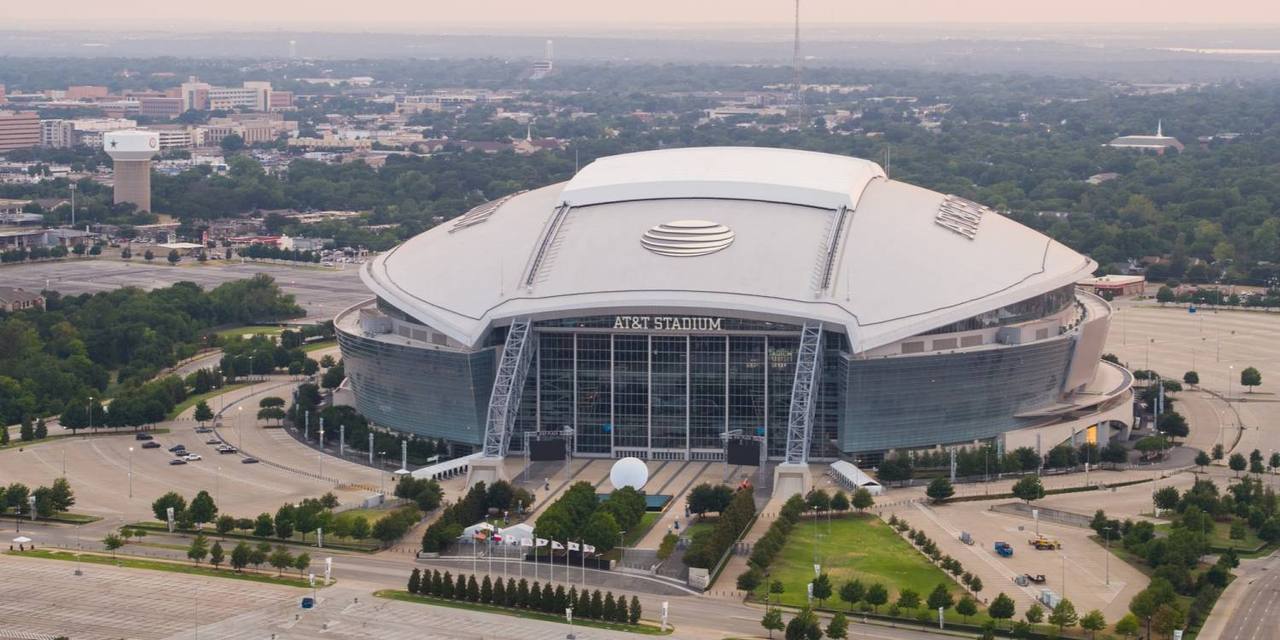
A Tarrant County judge has rejected a lawsuit that sought to stop Arlington from extending the Dallas Cowboys' lease of AT&T Stadium, ruling that the city can spend up to $273 million in voter-approved venue taxes on the stadium without holding a new election. The ruling, reported by KERA News on Tuesday, November 24, clears the biggest legal roadblock in front of a deal that would keep the Cowboys in Arlington through 2055.
The case was brought by Voters' Voice of Arlington, a residents' group that sued the city in June. The group argued that Arlington's April decision to extend the lease and commit the tax money — without asking voters first — was illegal. District Judge Megan Fahey disagreed, finding that votes Arlington residents already cast, in 2004 and again in 2016, cover the extension.
What the judge decided
Judge Fahey heard the case without a jury in a five-hour trial last week at the Tom Vandergriff Civil Courts Building in Fort Worth, then took the matter under advisement before ruling for the city. According to KERA's reporting, the judgment says Arlington may keep using its special stadium taxes and does not have to hold an election to carry out the agreement, as long as it clears the other approvals the deal requires.
The judge did not rule that the Cowboys deal is a good deal. She ruled only that Arlington did not need a new election to make it — the voters, in her reading, had already spoken when they approved the venue taxes.
What the residents argued
Attorney Warren V. Norred, representing Voters' Voice of Arlington, argued that the city illegally bypassed voters. The group's case was that the taxes Arlington voters approved in 2004 were sold as a way to build the stadium and pay off its construction debt — not as a blank cheque for a new, decades-long commitment to maintain and operate it. The suit asked for an injunction blocking the reimbursements and a ruling that the arrangement was not legal.
What the city argued
Arlington's position, repeated by Mayor Jim Ross since before the April vote, is that voters already decided the question. “The voters have already been heard on it, and they overwhelmingly said, 'Sell the bonds and pay this thing back by 2048,'” Ross said, according to KERA. The city has also said the tax collections will not run past 2048 and that the city's general fund is untouched by the deal.
The venue taxes at the heart of the fight are a half-cent sales tax, a 2 percent hotel occupancy tax, a 5 percent rental car tax, a 10 percent tax on tickets and a $3 parking tax. Voters approved them in 2004 — about 55 percent voted yes — to build the stadium, and approved them again in 2016 for Globe Life Field. Arlington paid off the original stadium loan in August 2025, roughly a decade early, but the taxes kept being collected, bringing in about $55 million a year.
What the deal means for Arlington
Under the agreement, the city's up-to-$273 million contribution goes into a maintenance and operations account for the stadium over 20 years. The Cowboys, for their part, have committed at least $750 million to maintain, operate and improve the complex, with the improvements finished by 2043. The team pays $2 million a year in rent and $500,000 a year tied to naming rights through 2055. In October, the council voted 7-2 to amend the deal so the city's money is limited to the actual costs of maintaining, operating and managing the stadium; council members Nikkie Hunter and Bowie Hogg voted against the changes, as they had against the original extension in April.
The deal is not final. Arlington must still meet all closing conditions and get sign-off from the Texas Attorney General's Office. The reporting does not say whether Voters' Voice of Arlington plans to appeal the ruling.
The stakes reach beyond football. AT&T Stadium is one of the most recognisable venues in Texas and a major driver of Arlington's visitor economy — it is also one of the venues for the 2026 FIFA World Cup. Keeping the Cowboys in Arlington through 2055 locks in three more decades of games, concerts and events, and the tax dollars that come with them.
For Arlington taxpayers, the ruling settles the legal question of whether a new vote was required — but not the political one. Residents who opposed the deal say money raised to build a stadium should not be repurposed for a new commitment without their say; the city says the voters spoke in 2004 and 2016, and the court has now agreed. The Attorney General's review is the next step, and an appeal, if the residents' group files one, would be the one after that.